
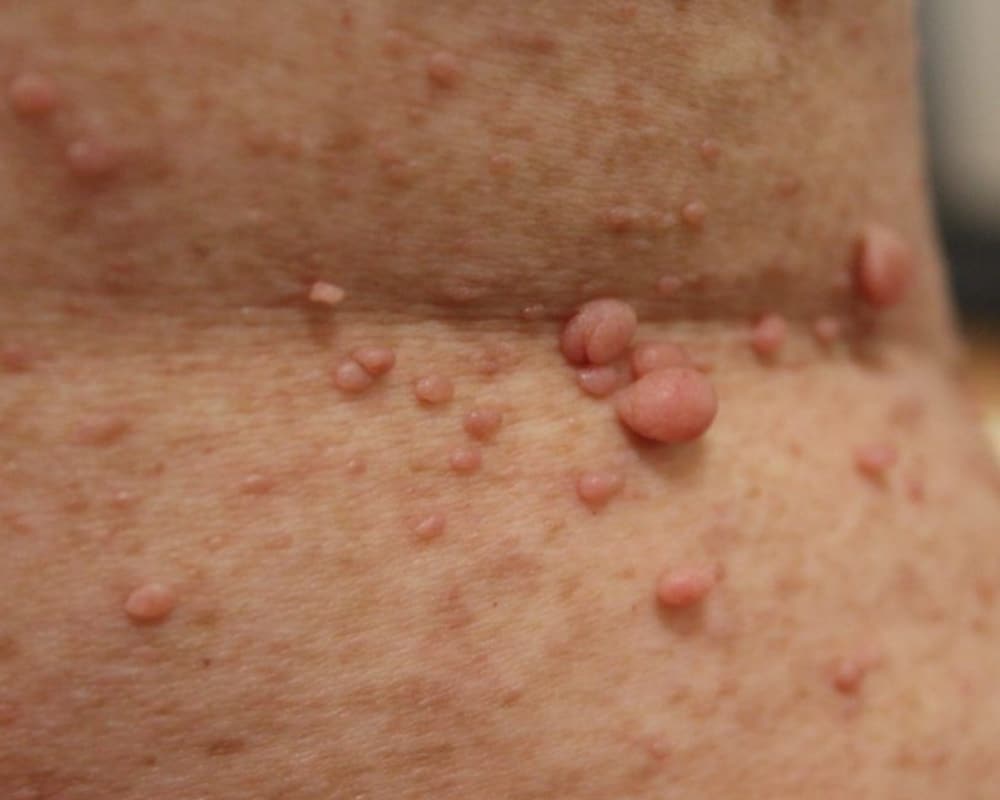
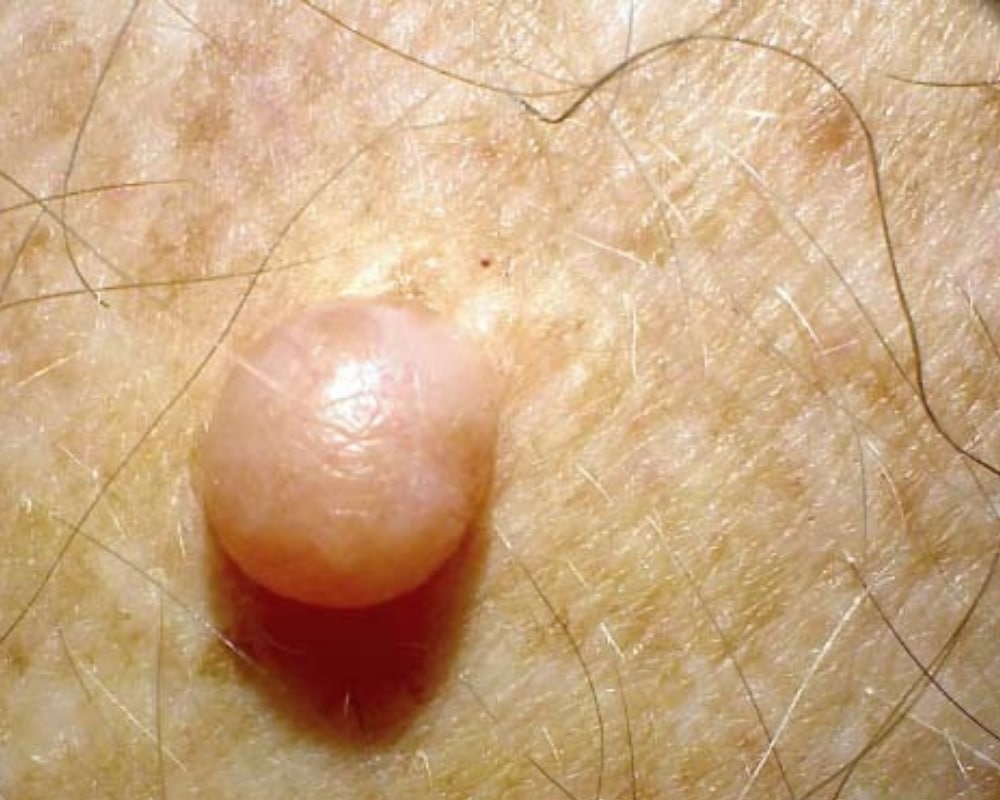
What is a Neurofibroma (singular)
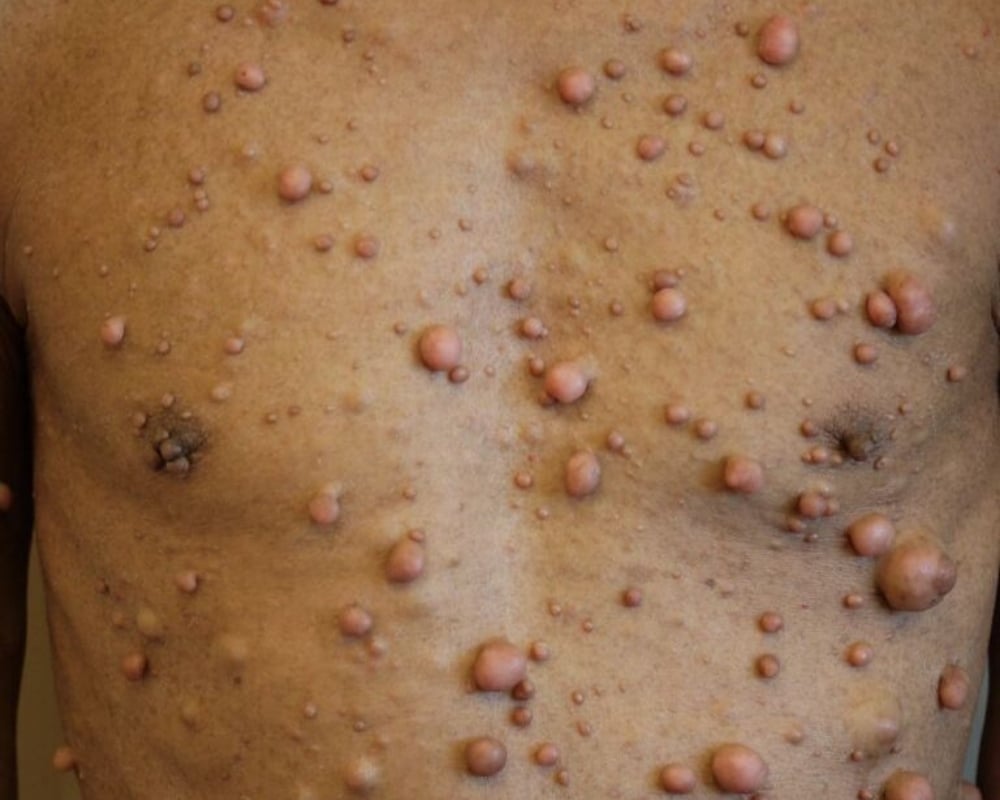
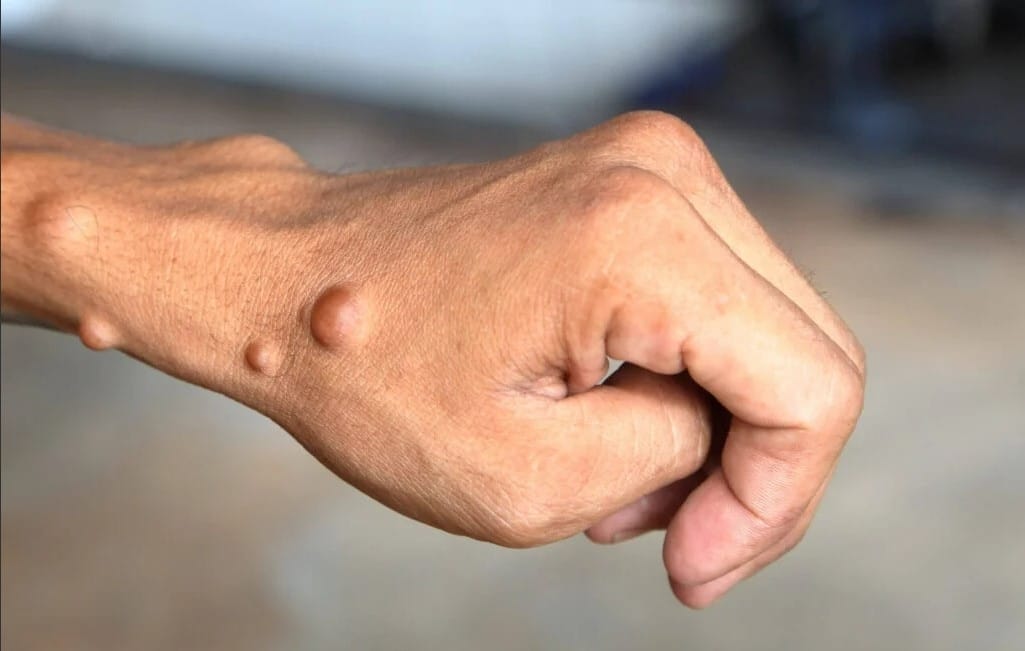
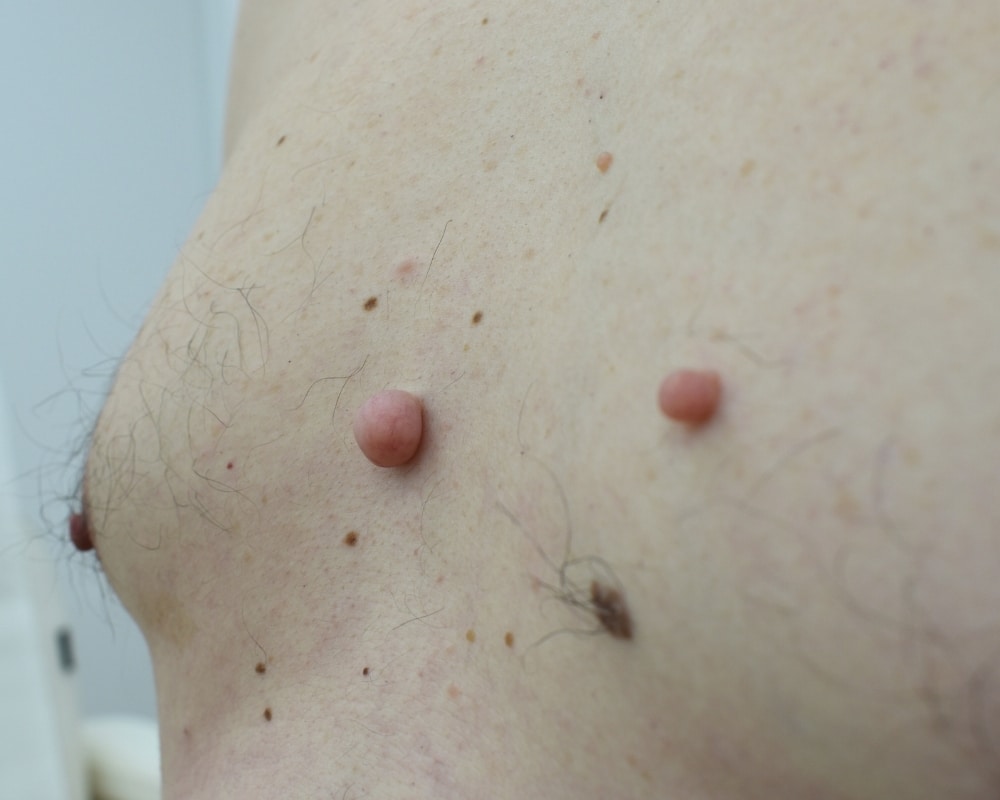
A neurofibroma is a benign tumour arising from cells surrounding peripheral nerves. A neurofibroma is a soft, skin-coloured or slightly pink/tan lump either singularly or as multiple lesions - typically containing Schwann cells, fibroblasts, mast cells and connective tissue.
If you’ve noticed a soft lump or bump on the skin or just under the skin, you may be dealing with a neurofibroma. At the Cambridge Contour Clinic, one of the highest-rated clinics in East Anglia for benign skin lesions, we offer expert assessment and removal options. This page gives you the information you need to understand what a neurofibroma is, how it appears, what causes it, what we can offer, and how to make an informed choice.
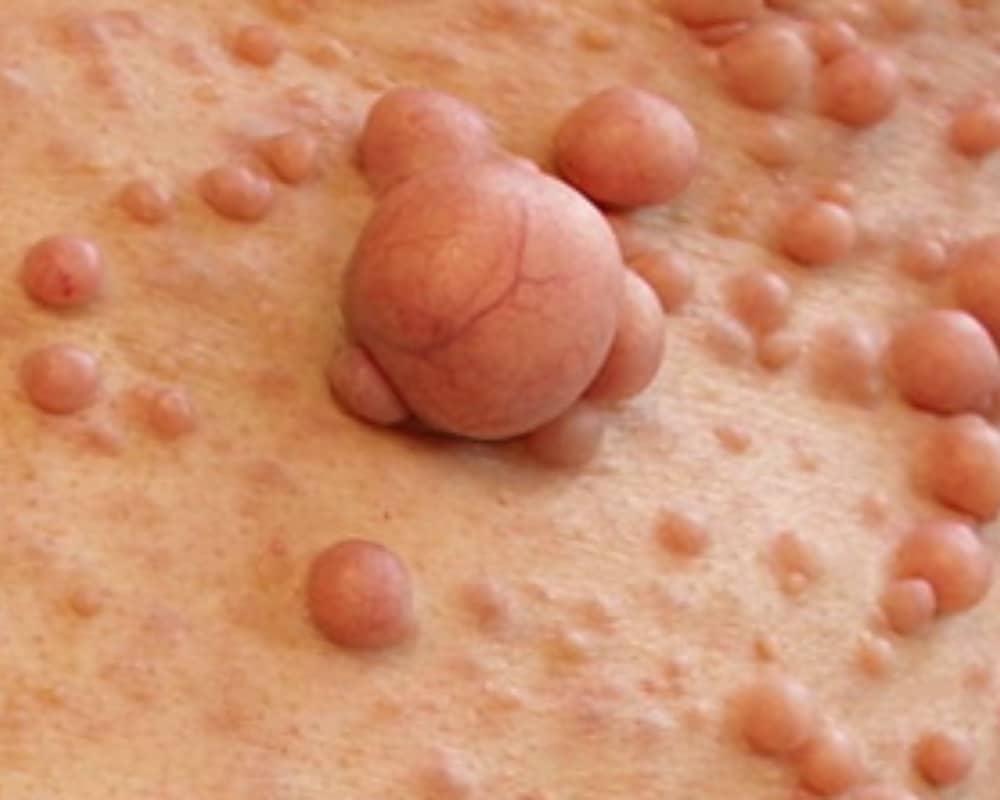
Key Features
- Soft, fleshy lump on or just under the skin
- Skin-coloured, pink or slightly darker
- Usually painless, but may itch or feel uncomfortable
- Tends to be slow-growing
- Often found in adults aged 20–40
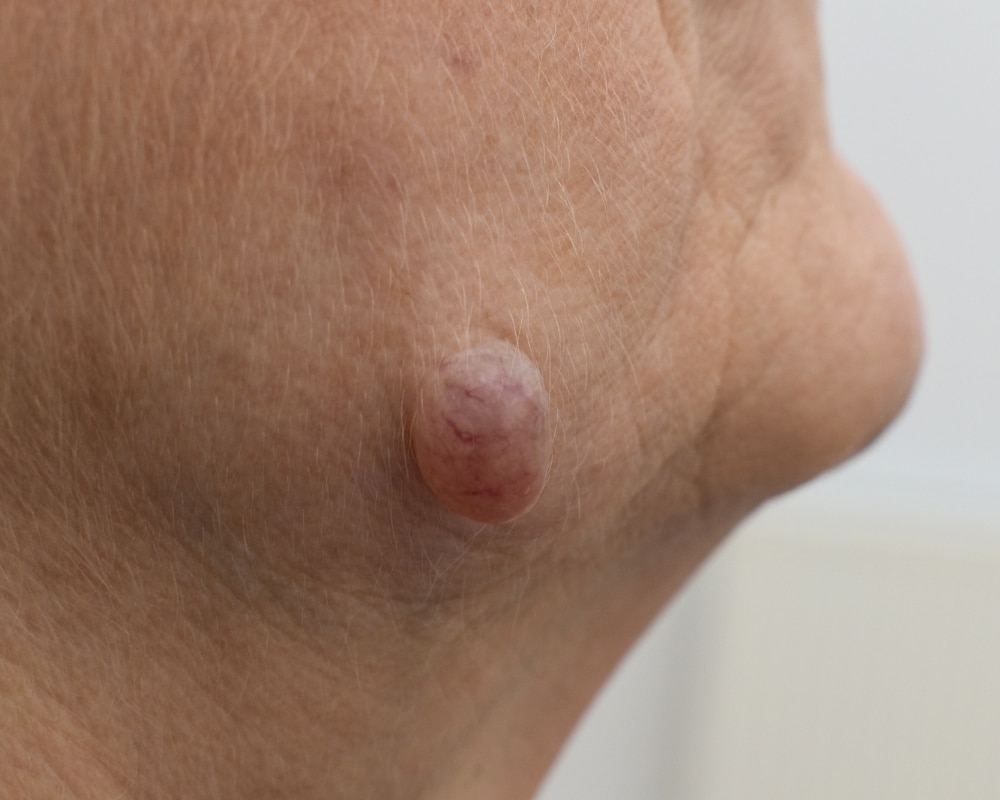
Where on the Body Do They Occur?
Neurofibromas can appear anywhere nerve tissue exists, but most commonly on:
- Torso / Back
- Neck
- Arms & Forearms
- Legs
- Face
- Scalp
Most often on the skin or just under the skin (cutaneous neurofibroma), but there are deeper forms (subcutaneous, intramuscular, nerve-trunk). The cutaneous form tends to be visible and accessible for treatment.
Contributing Factors
- Genetics: A proportion are associated with a genetic condition such as Neurofibromatosis type 1 (NF1). NF1 is an autosomal dominant condition, i.e with just one copy of a gene on a non-sex chromosome (called an autosome).
- Sporadic occurrence: When not part of NF1, they can arise spontaneously in adults (typically aged 20-40) with no prior syndrome.
- Hormonal/pubertal factors: They often increase in number and size during puberty and in pregnancy.
Note to reader: Having a neurofibroma is not a reflection of anything “wrong” with you - many people live perfectly well with them; this is simply information so you can make a decision about monitoring or removal if you choose.
Prevalence
- Neurofibromas are the most common benign peripheral nerve-sheath tumour, with most cases being single and sporadic.
- Many occur sporadically (approximately 90%) rather than as part of a syndrome.
- In people with NF1, multiple neurofibromas can develop during adulthood, but this does not apply to most.
Treatment options
At Cambridge Contour Clinic, we offer the following professional medical-grade treatment options for Neurofibroma:
Micro-Plasma Removal
We use a surgical-grade micro-plasma device, which creates a precise plasma arc (~0.02 mm accuracy) to vaporise the lesion tissue.
Cryotherapy
Using a fine jet of N₂O under high pressure, we freeze the lesion with millimetre precision.
Which is most suitable for you is best discussed within a consultation with one of our specialists, where they will discuss your treatment options, check you are able to have said treatments (i.e there are no health contraindications). They will also discuss healing and success rates, check that you are happy with any potential risks and address any necessary pre-care, post-care, treatment plans and pricing.
Other Potential Treatment Options
Here at Cambridge Contour Clinic, we focus on minimally invasive techniques to optimise healing and cosmetic outcomes. However, we believe in transparency to help our clients make an informed choice on how they would like to proceed. Therefore, if we are aware of other recognised treatment methods that may be suitable for you, we will discuss these during your consultation.
Neurofibroma Frequently Asked Questions
Can Neurofibromas Be Prevented?
There is no proven method of prevention for sporadic Neurofibromas. However, maintaining regular skin checks and monitoring for changes is helpful. For individuals with NF1, medical monitoring through a genetic or dermatology service is recommended.
Are Neurofibromas cancer?
No - They do not usually pose a risk to health and often don’t need treatment unless they cause symptoms or you prefer to have them removed.
Will a Neurofibroma go away on its own?
Neurofibromas do not typically disappear on their own. They tend to remain stable or slowly grow over time. If they become irritated, uncomfortable or bothersome, removal is an option.
If I have one, will I get more?
Not necessarily. Many people have just one Neurofibroma in their lifetime. Some individuals develop more due to genetics or conditions such as Neurofibromatosis type 1, but this does not apply to most people with a single lesion.