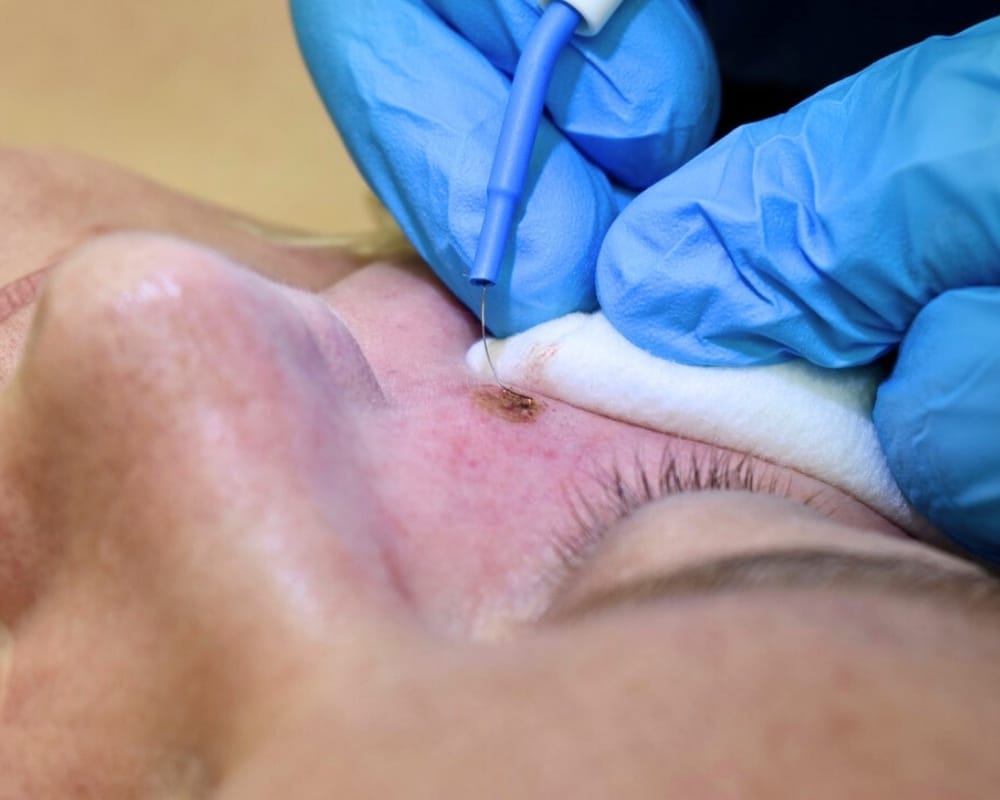


What is a Pyogenic Granuloma
Lobular capillary haemangioma, Granuloma pyogenicum, Granuloma gravidarum or pregnancy tumour (when occurring in pregnancy), Epulis gravidarum (particularly on gums)
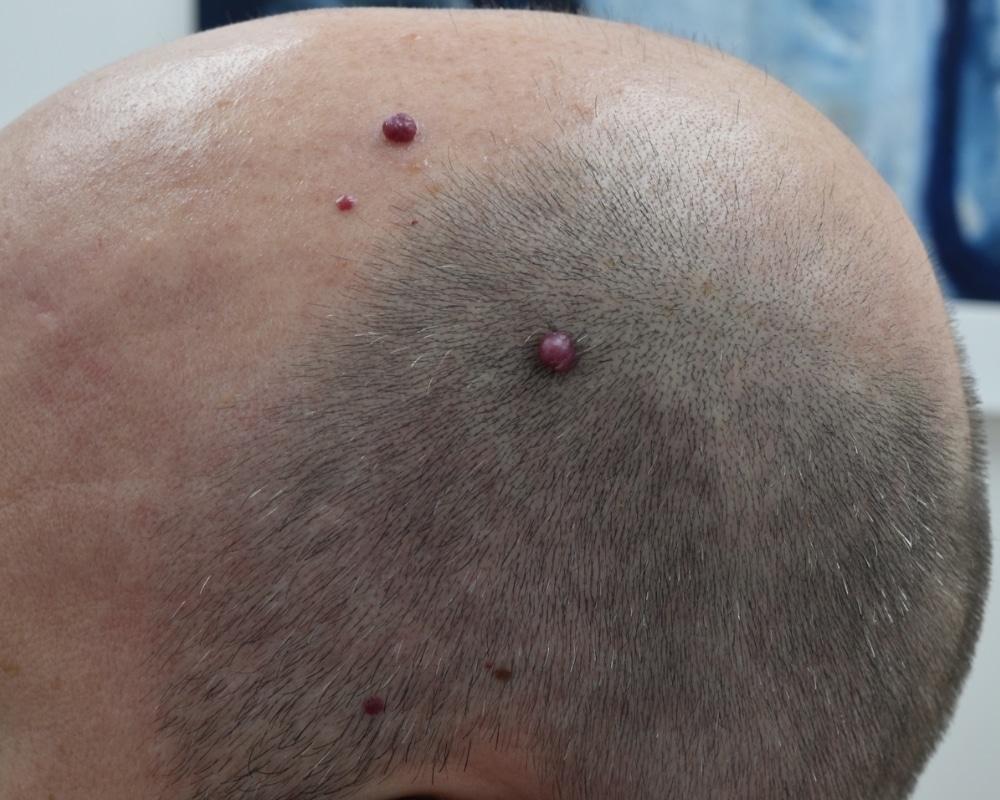
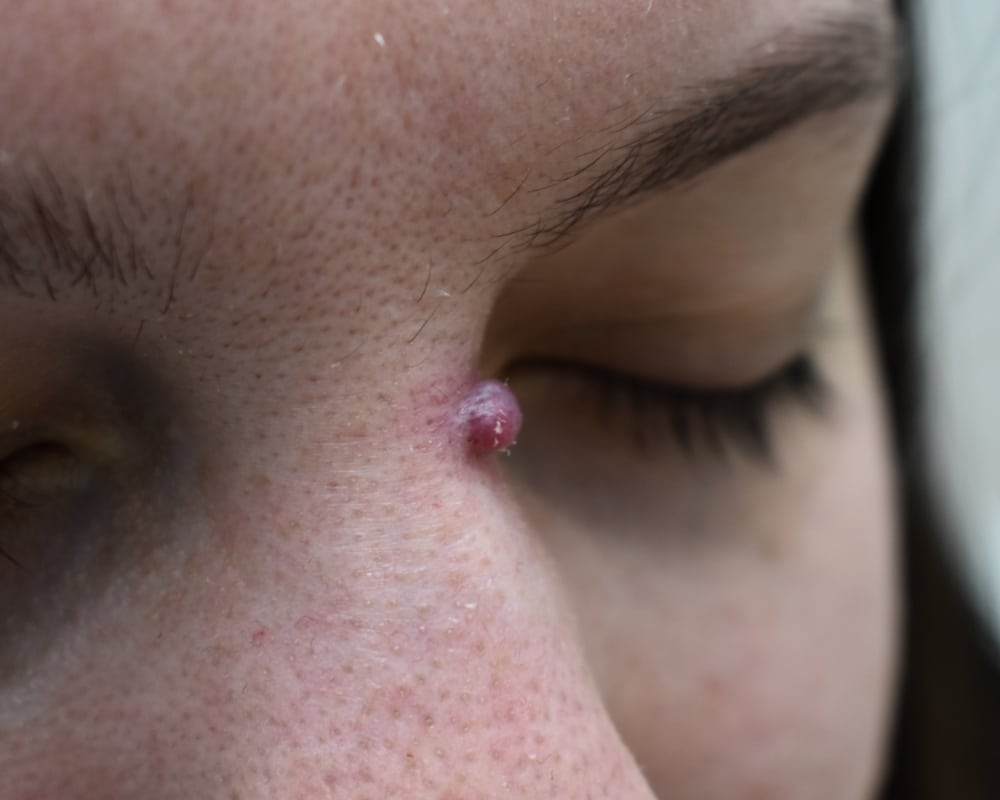
A pyogenic granuloma is a benign overgrowth of tiny blood vessels that forms a smooth, red lump on the skin or sometimes inside the mouth or nose. They often appear rapidly and may bleed easily, which understandably can cause concern. While it is harmless in the vast majority of cases, it is understandable to want expert care and clarity about both diagnosis and treatment.
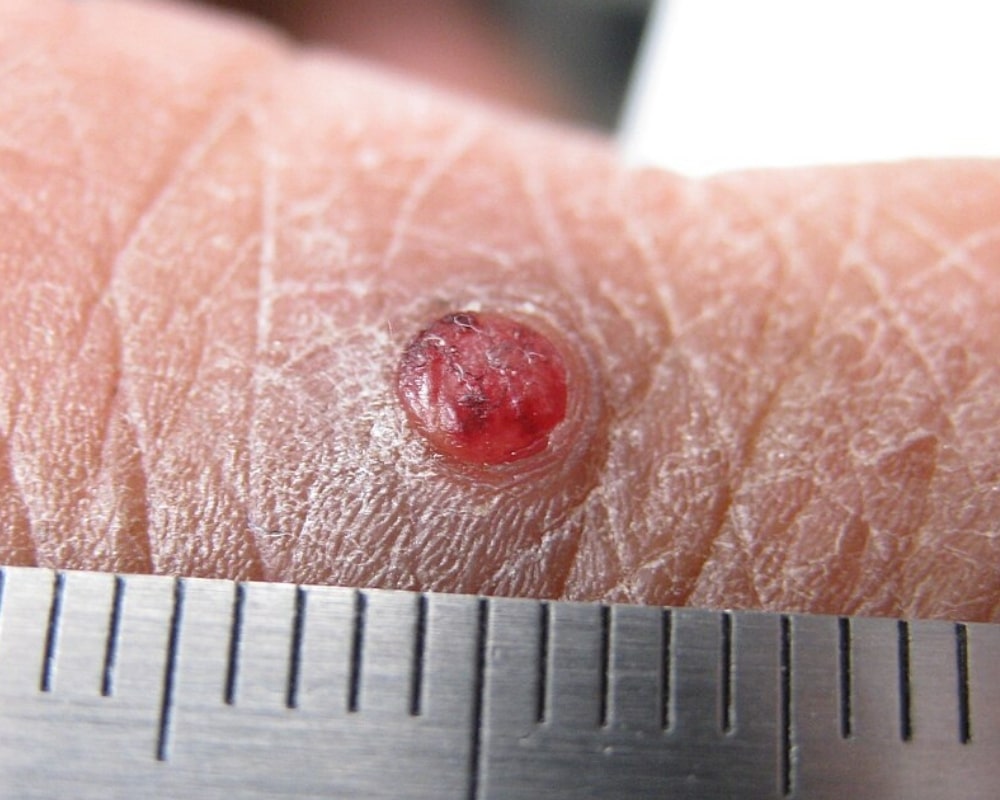
Key Identifying Features
- Typically, a bright red (initially) nodule or papule that may become darker.
- Grows rapidly over a few weeks (commonly) and then often stabilises.
- Size is usually less than ~1 cm, though variation occurs.
- Surface may appear shiny, moist, sometimes crusted, or ulcerated after bleeding.
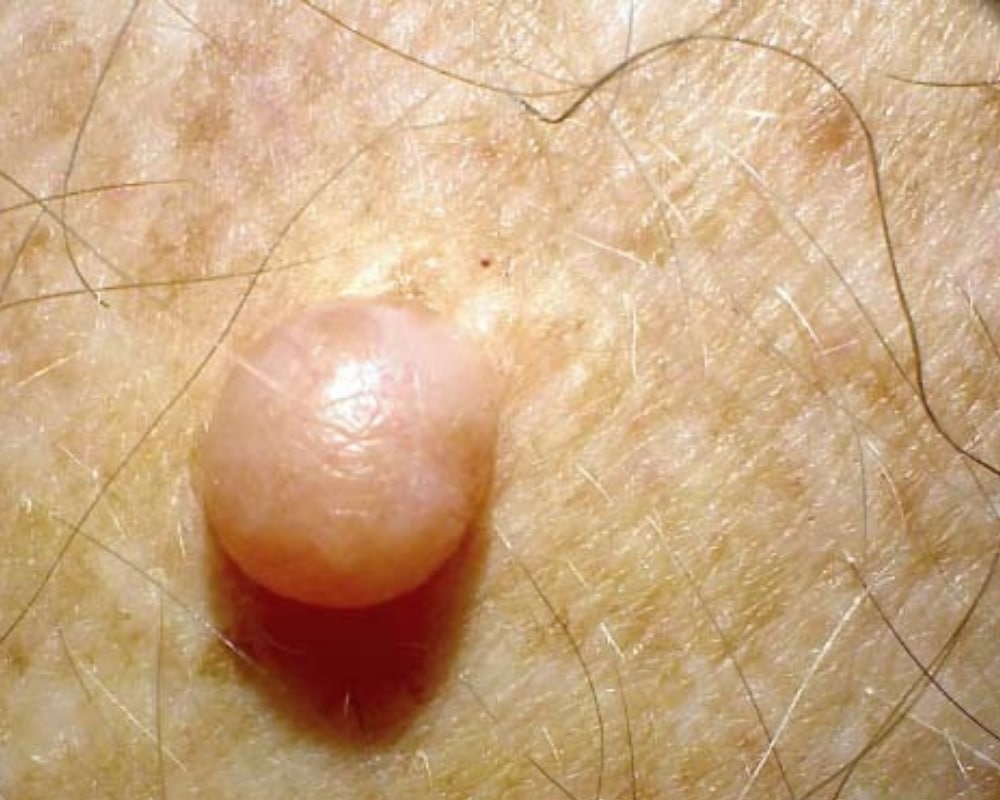
- It may project on a stalk ("pedunculated") or be sessile (broad-based).
- Bleeds easily with minor trauma (one of the common issues).
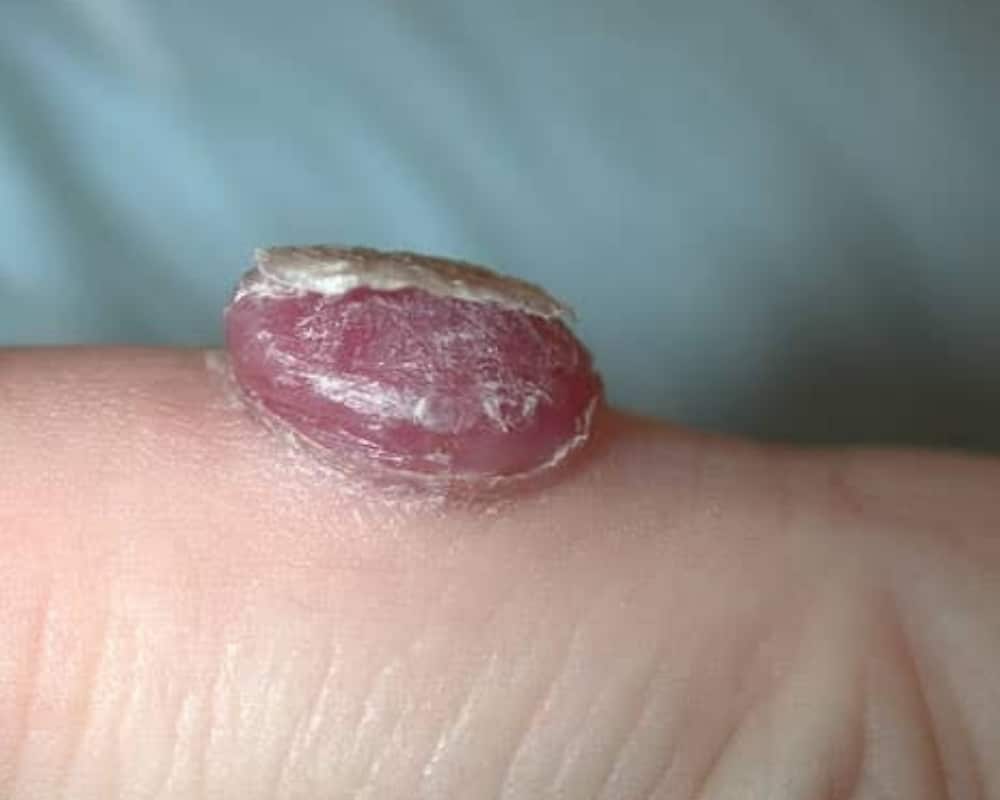
Where They Commonly Occur
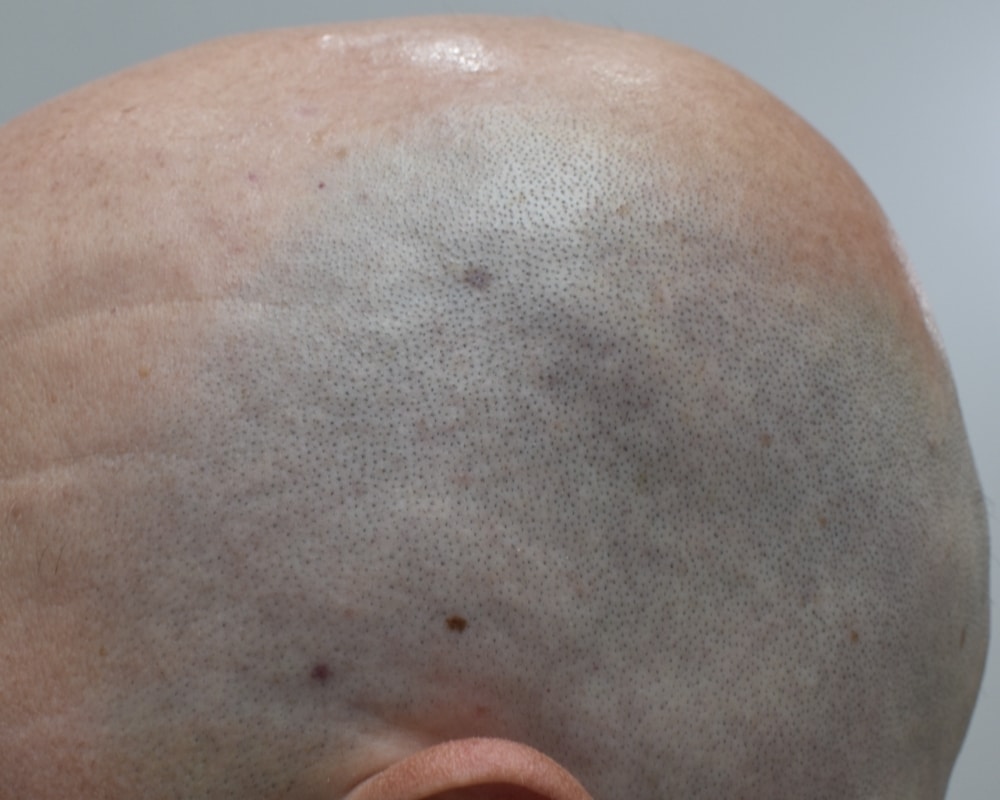
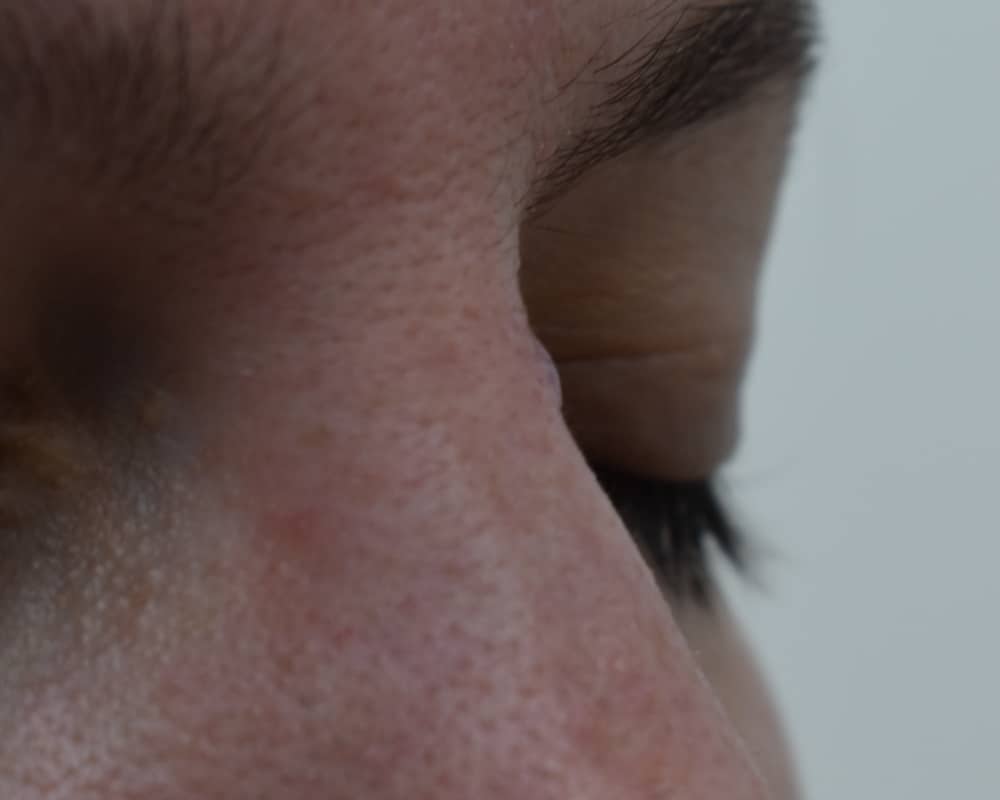
- Skin: fingers/hands, face, scalp are common sites.
- Mucous membranes: gums (particularly in pregnant women), lips, nasal mucosa, tongue.
- They may occur on birthmarks or areas of prior injury.

Contributing Factors
Contributing factors may include:
- Minor trauma or irritation to the skin or mucosa is often reported (though not always identifiable).
- Hormonal influences: pregnancy, use of oral contraceptives.
- Certain medications: topical or systemic retinoids, protease inhibitors (HIV treatment), and some chemotherapy agents.
- Poor oral hygiene or chronic irritation in the mouth (for oral lesions).
Prevalence
Pyogenic Granulomas can occur at any age, but are more common in children, young adults and during pregnancy. In children, some studies show a peak around the age of 6-7 years.
In pregnancy, they may be seen in up to around 5 % of pregnancies (particularly on the gums) according to some sources.
Treatment Options
At Cambridge Contour Clinic, we offer the following professional medical-grade treatment options:
Cryotherapy
Using a fine jet of N₂O under high pressure, we freeze the lesion with millimetre precision.
Micro-Plasma Removal
We use a surgical-grade micro-plasma device, which creates a precise plasma arc (~0.02 mm accuracy) to vaporise the lesion tissue. For Actinic Keratosis, the use of this treatment would be assessed on a case-by-case basis.
Which is most suitable for you is best discussed within a consultation with one of our specialists, where they will discuss your treatment options, check you are able to have said treatments (i.e there are no health contraindications). They will also discuss healing and success rates, check that you are happy with any potential risks and address any necessary pre- and post-care, treatment plans and pricing.
Other Potential Treatment Options
Here at Cambridge Contour Clinic, we focus on minimally invasive techniques to optimise healing and cosmetic outcomes. However, we believe in transparency to help our clients make an informed choice on how they would like to proceed. Therefore, if we are aware of other recognised treatment methods that may be suitable for you, we will discuss these during your consultation.
When to see a specialist
You should consider seeking medical assessment if:
- Your lesion is growing quickly
- It bleeds repeatedly
- You are unsure what the lesion is
- It has changed appearance
- It returns after the previous removal
Although pyogenic granulomas are benign, some rare malignant lesions can mimic them, so proper diagnosis is important before treatment.
Pyogenic Granuloma Frequently Asked Questions
Is a Pyogenic Granuloma cancerous?
No - pyogenic granulomas are benign.
Are they contagious?
No, they cannot be passed from person to person
Do they go away on their own?
Sometimes, especially pregnancy-related ones, but many persist or grow.
Does removal leave a scar?
Any skin procedure can leave minor scarring, but techniques are chosen to minimise this.