
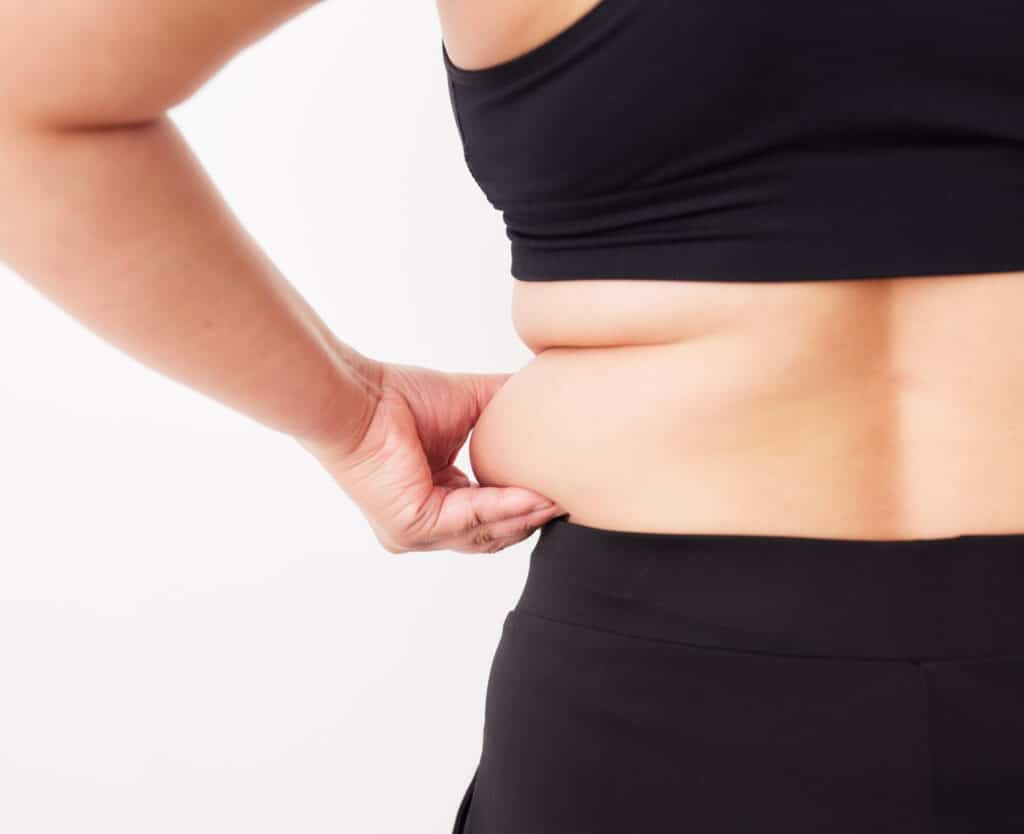


What Is Excess Fat?
Excess fat, in an aesthetic (non-medical) context, typically refers to localised pockets of adipose tissue that many people find difficult to reduce through lifestyle choices alone. It does not necessarily mean overall obesity or weight issues; it’s more about shape, contour, and how fat is distributed in specific areas
These fat deposits are not inherently a medical risk, but they may contribute to an effect on body confidence and how clothes fit.
They may persist even when someone is otherwise healthy and active. However, unlike visceral fat (which accumulates around organs), aesthetic fat is often found just under the skin, and it's this type that body contouring treatments typically address.
How It Works: What To Expect
1
Consultation
During your first visit, one of our specialists will assess your concern, medical history, and body goals.
2
Treatment plan
Together, we will develop a tailored plan based on your goals, e.g how many sessions, which areas and treatment timeline.
3
Treatment
For fat-dissolving injections, we use a precise technique to administer the product under the skin (target areas vary depending on needs).
4
Recovery & Aftercare
Mild bruising, swelling, or tenderness can occur. We'll provide detailed aftercare instructions to support healing and optimal results.
5
Results
Fat reduction can take several weeks to become visible as the body breaks down and removes treated cells. Follow-up sessions may be needed; maintenance depends on keeping a consistent, stable weight.


Where and when excess fat may occur
Localised fat often becomes more noticeable in adulthood, especially when people reach a stable “maintenance” weight.
Excess fat is commonly found in areas such as:
- Under the chin
- Abdomen
- Flanks or “love handles”
- Inner thighs
- Upper arms
These deposits may not respond well to further weight loss without targeted treatments.
Changes in skin elasticity can also influence how these fat areas look, for example, sagging or fullness, depending on skin tone.


Contributing Factors
Here are common factors that contribute to aesthetic fat pockets:
- Genetics: Some people are predisposed to store fat in particular areas, regardless of weight.
- Hormonal changes: Hormonal shifts (e.g., during menopause, pregnancy) can lead to redistribution of fat.
- Lifestyle & ageing: As we age, metabolism slows, and muscle mass declines, making it easier to accumulate and harder to lose fat in some areas.
- Weight fluctuations: Repeated dieting or weight cycling can lead to stubborn fat re-accumulating in particular areas.
- Local factors: Certain anatomical sites (e.g., “double chin,” lower abdomen, flanks) are more resistant to fat loss.


Treatments we offer
At Cambridge Contour Clinic, we offer medically informed, non-surgical options to help you reduce and reshape localised fat in a safe, controlled, and long-lasting way.
Some clients may experience dramatic fat loss, but it’s important to set realistic expectations: these treatments reshape and reduce some fat, but they are not substitutes for overall weight loss or healthy living.
Other Potential Treatment Options
Here at Cambridge Contour Clinic, we focus on minimally invasive techniques to optimise healing and cosmetic outcomes. However, we believe in transparency to help our clients make an informed choice on how they would like to proceed. Therefore, if we are aware of other recognised treatment methods that may be suitable for you, we will discuss these during your consultation.
Excess Fat Frequently Asked Questions
Is fat dissolving painful?
Some discomfort, bruising, or swelling is normal, but we use techniques to minimise discomfort and ensure safety.
How many sessions will I need?
Typically, a course of 2–4 treatments spaced several weeks apart (depending on the area and your goals).
Will the fat come back if I gain weight?
While treated fat cells are permanently reduced, remaining fat cells can expand if weight increases significantly.
Am I a good candidate?
Ideal candidates are at or near their maintenance weight and have localised fat in a specific area.