
What is a Angiokeratoma
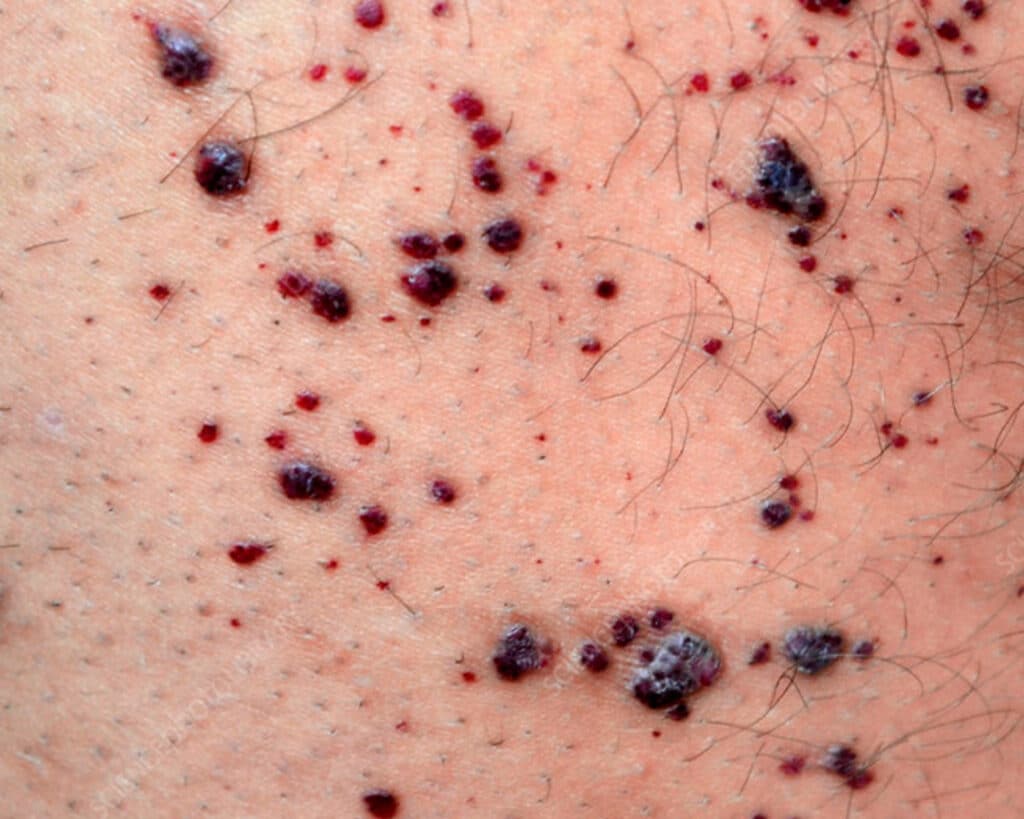
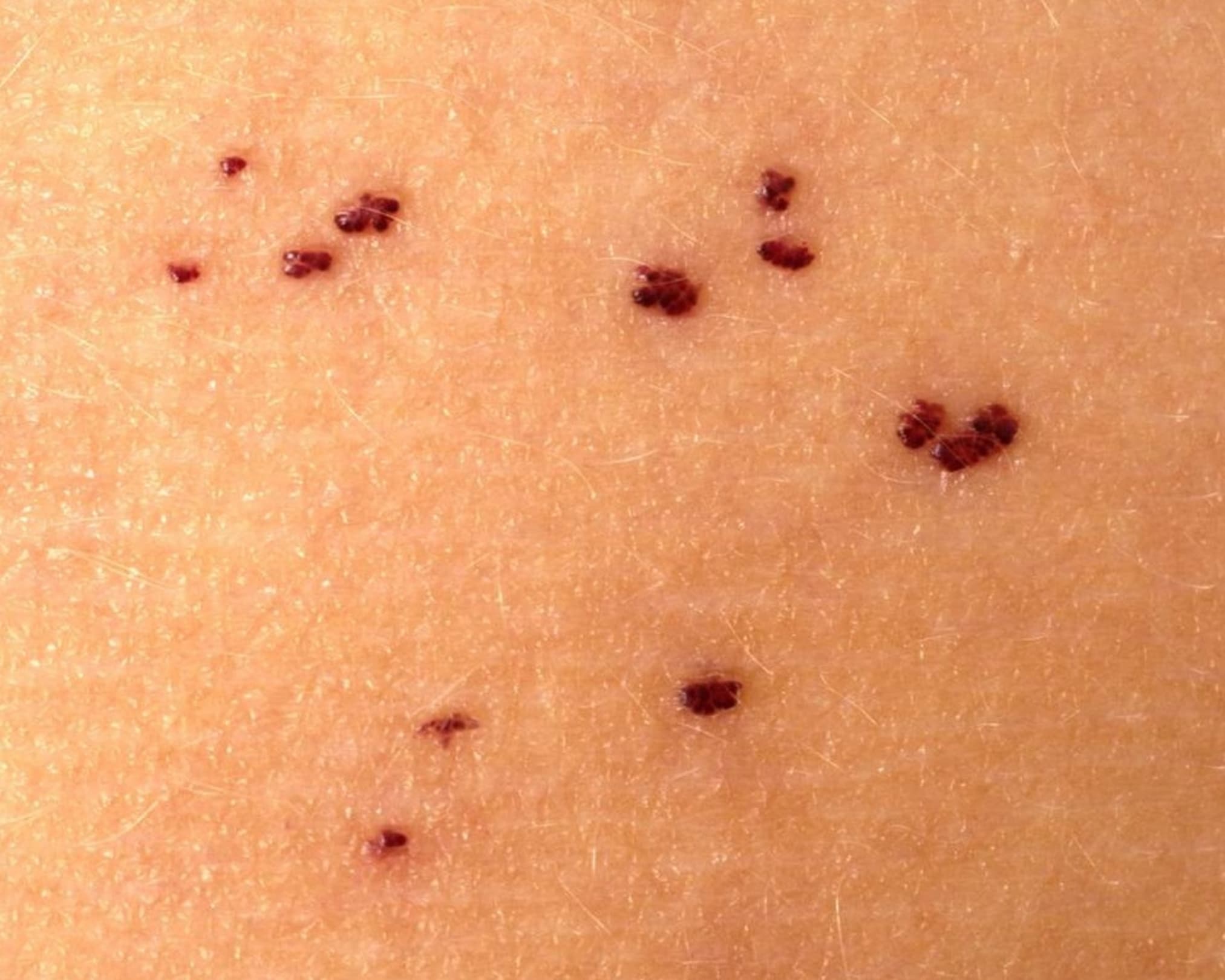
Angiokeratoma is a benign vascular skin lesion caused by dilated capillaries (widened blood cells) close to the skin surface with a thickened outer layer of skin (keratosis).
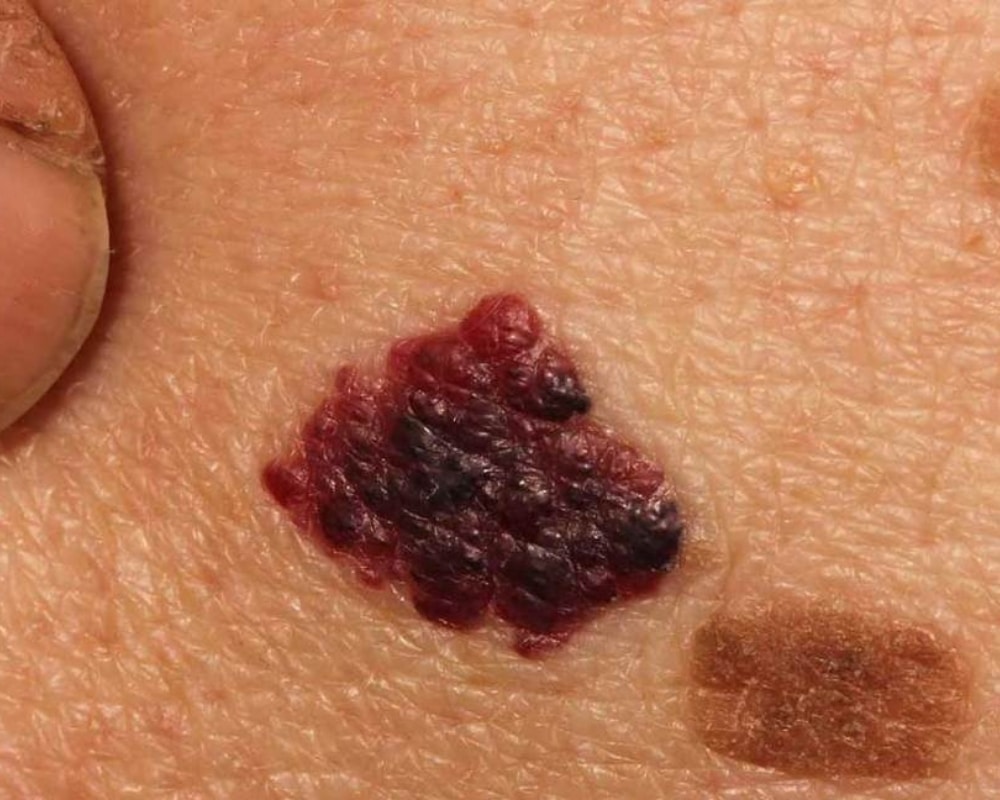
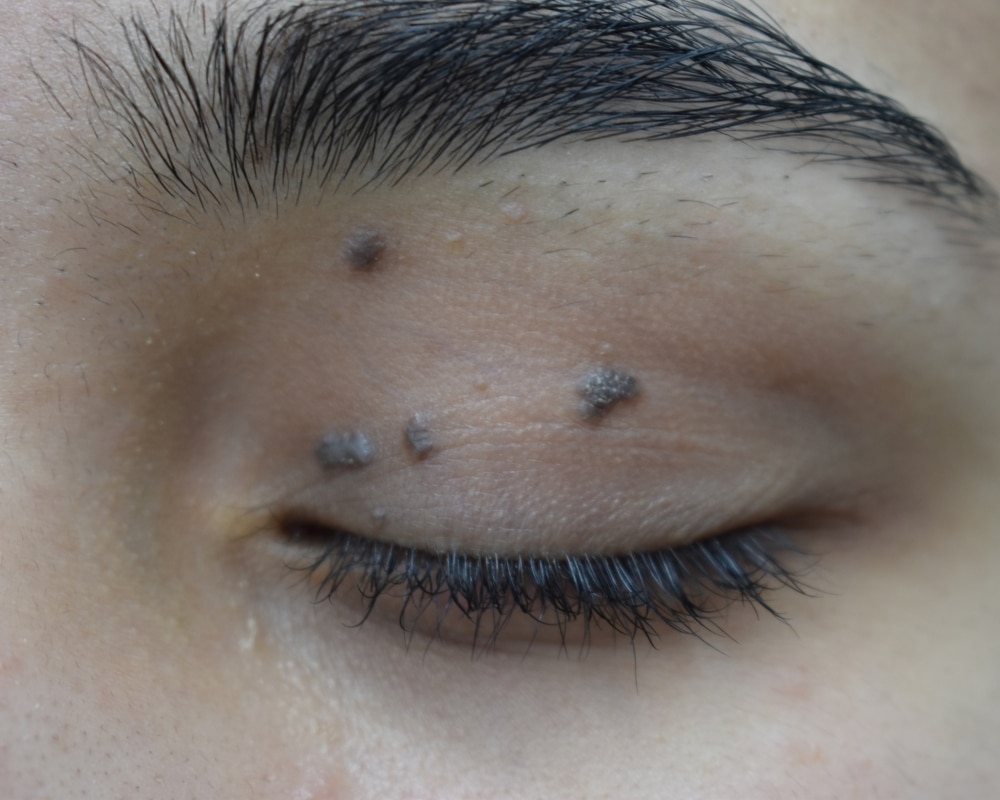
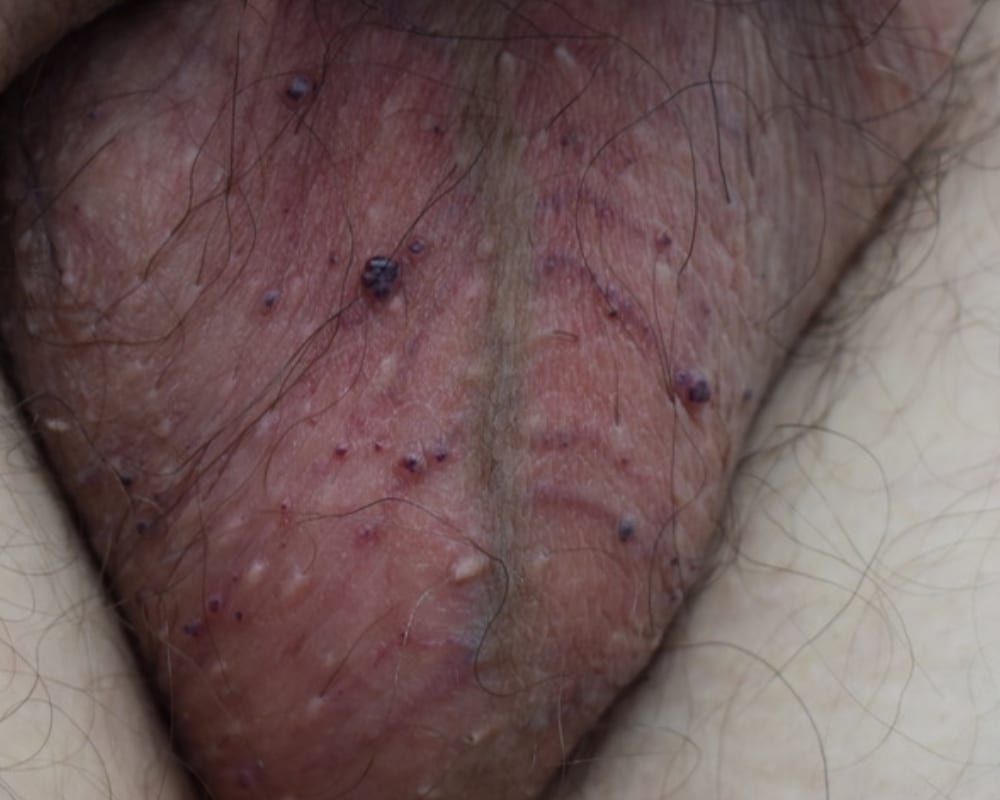
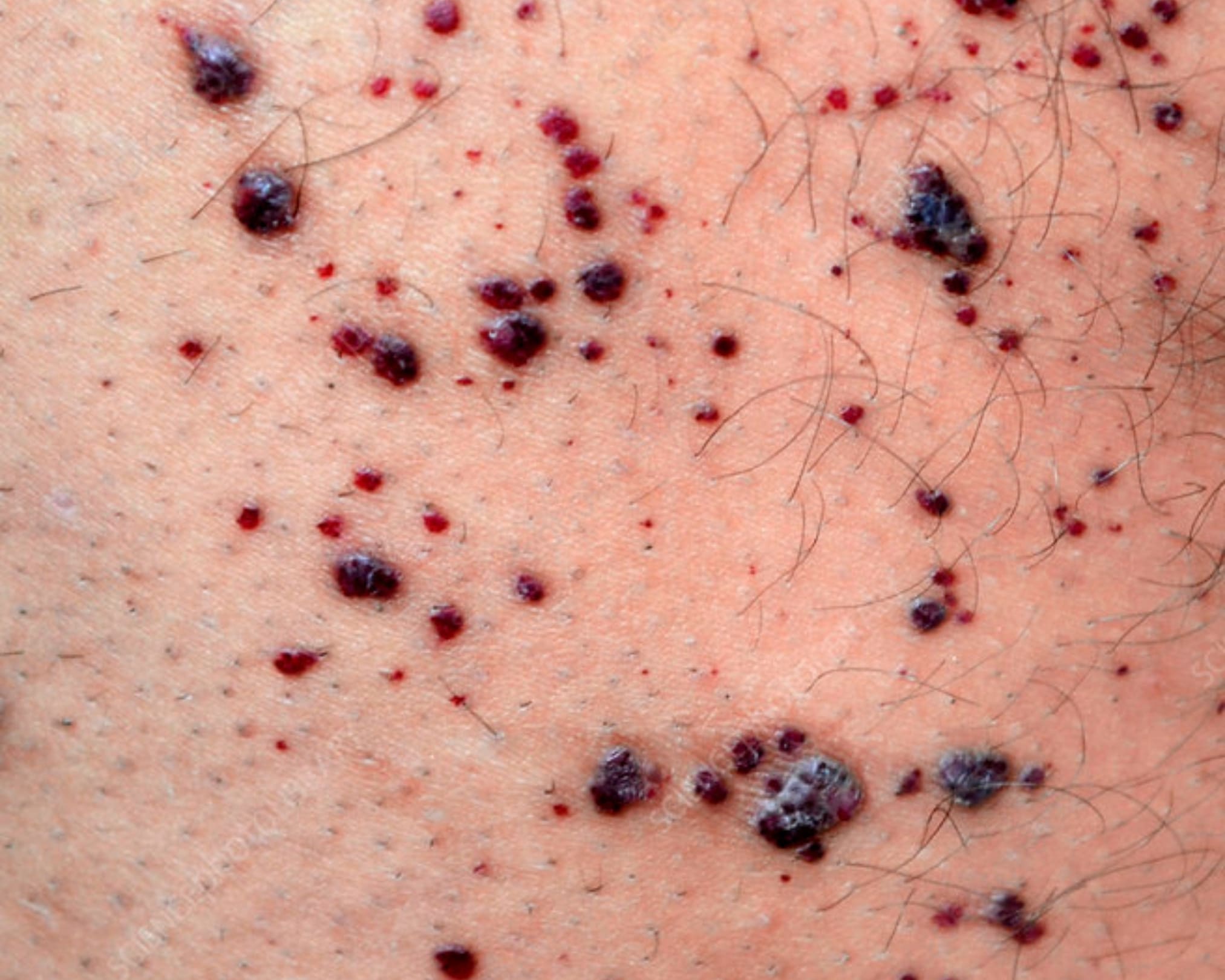
On the surface, an angiokeratoma typically appears as a small raised spot that is red, blue, purple or almost black in colour. These lesions may be smooth or slightly rough/warty, and may occur individually or in clusters.
Most people experience no symptoms, though some may notice occasional bleeding if rubbed or scratched.
Key Identifying Features
Patients commonly recognise angiokeratomas based on the following:
- Small raised papules (typically 1–6 mm)
- Red/blue/purple/black colour
- Warty or rough texture due to thickened skin
- May bleed if accidentally scratched
- Usually painless with no general health impact
- Can occur singly or in multiple groups
Where They Commonly Occur
Angiokeratomas can develop anywhere, but have common patterns depending on the subtype:
- Most common in the genital region (scrotum, shaft of penis, labia majora)
- Inner thighs and lower abdomen
- Legs and trunk
- Less commonly on the feet/buttocks for congenital forms
Contributing factors
While angiokeratomas are benign, several factors are associated with their development:
- Loss of elasticity in tissues that support capillary walls, leading to dilatation and widening of blood vessels.
- Extreme increased pressure in veins or capillaries (for example, varicocele or inguinal hernia in genital forms) has been associated in some cases.
- Local trauma or irritation may trigger single lesions years after the event.
- Some types are congenital (present at birth) or appear in childhood (eg, angiokeratoma circumscriptum).
- Although rare, when lesions are numerous and diffuse, they may be a sign of an inherited metabolic disorder such as Fabry disease (angiokeratoma corporis diffusum).
Prevalence
Exact numbers are uncertain, but angiokeratomas are not rare and become more common with age, especially in the genital subtype in men over 50.
Many cases go unreported because the lesions are harmless and asymptomatic, so the true prevalence is likely higher than published estimates.
Treatment Options
At Cambridge Contour Clinic, we offer the following professional medical-grade treatment options for Angiokeratomas:
Micro-Plasma Removal
We use a surgical-grade micro-plasma device, which creates a precise plasma arc (~0.02 mm accuracy) to vaporise the lesion tissue.
Cryotherapy
Using a fine jet of N₂O under high pressure, we freeze the lesion with millimetre precision.
Which is most suitable for you is best discussed within a consultation with one of our specialists, where they will discuss your treatment options, check you are able to have said treatments (i.e there are no health contraindications). They will also discuss healing and success rates, check that you are happy with any potential risks and address any necessary pre- and post-care, treatment plans and pricing.

When to seek specialist review
While angiokeratomas are benign, you may want to seek a professional opinion if:
- The lesion is new, changing in size/shape/colour, bleeding spontaneously or repeatedly.
- You are uncertain whether the lesion is benign or may have suspicious features.
- There are many lesions appearing suddenly or in unusual locations - this could raise the possibility of an underlying condition (e.g. Fabry disease).
- You are experiencing associated symptoms (pain, itching, discomfort) or are concerned about appearance.
- You want removal for comfort, confidence or peace of mind.
Angiokeratoma Frequently Asked Questions
Is an angiokeratoma contagious or an STI?
No - angiokeratomas are benign vascular lesions, not infections or sexually transmitted.
Will treatment leave a scar?
At Cambridge Contour Clinic, we use techniques designed to minimise tissue damage and provide the best possible aesthetic result. All healing expectations are discussed during your consultation.
Will new angiokeratomas appear after treatment?
Possibly yes - treatment removes existing lesions in the treated area, but new lesions may arise elsewhere because underlying factors may persist.
Do I need treatment if the lesion isn’t bothering me?
No. If it is entirely asymptomatic and you're comfortable with its appearance, you may choose monitoring. The benefit of treatment is for bleeding, discomfort or appearance concerns.
Could this lesion be something more serious?
Although angiokeratomas are benign, any new, changing, bleeding lesion should be reviewed by a suitably qualified and insured professional.