
What are common Skin Blemishes?
Skin pigmentation refers to the colour of the skin, determined by melanin. When the pigment becomes uneven, certain areas can appear darker or lighter than the surrounding skin. These changes are harmless, but many people prefer a more uniform skin tone.
The most common facial blemish concerns include, but are not limited to:
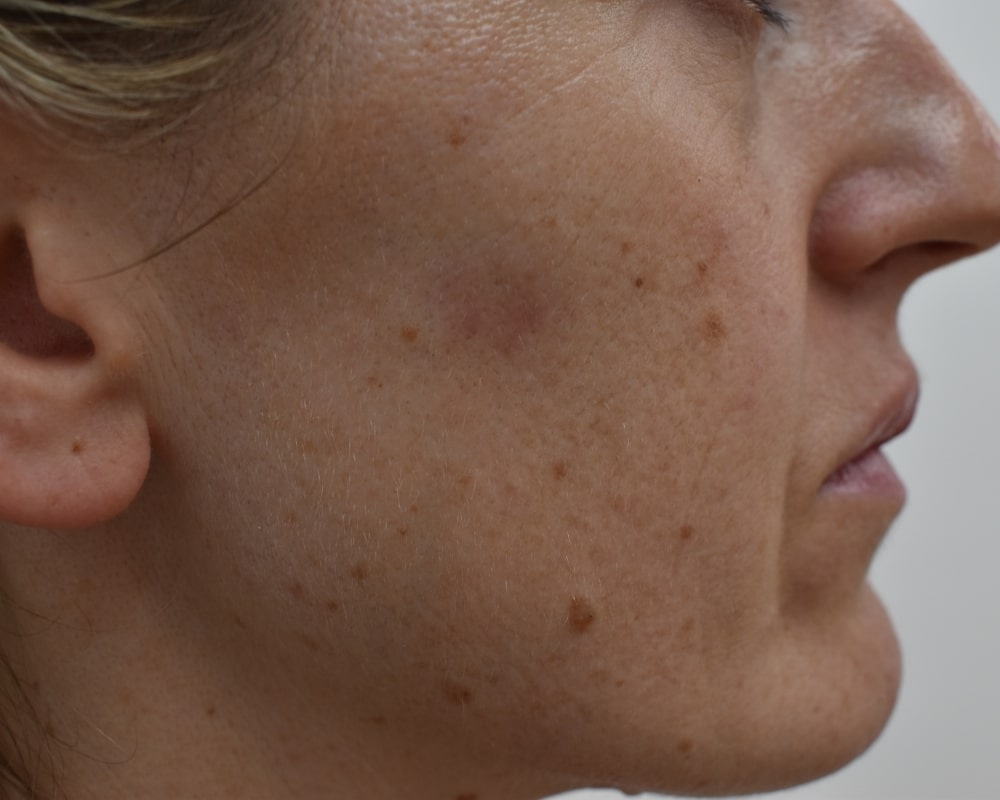
- Post-Inflammatory Hyperpigmentation (PIH) – flat, darker marks that appear after inflammation, such as acne or eczema.
- Post-Inflammatory Hypopigmentation – lighter patches where pigment production has reduced following injury or irritation.
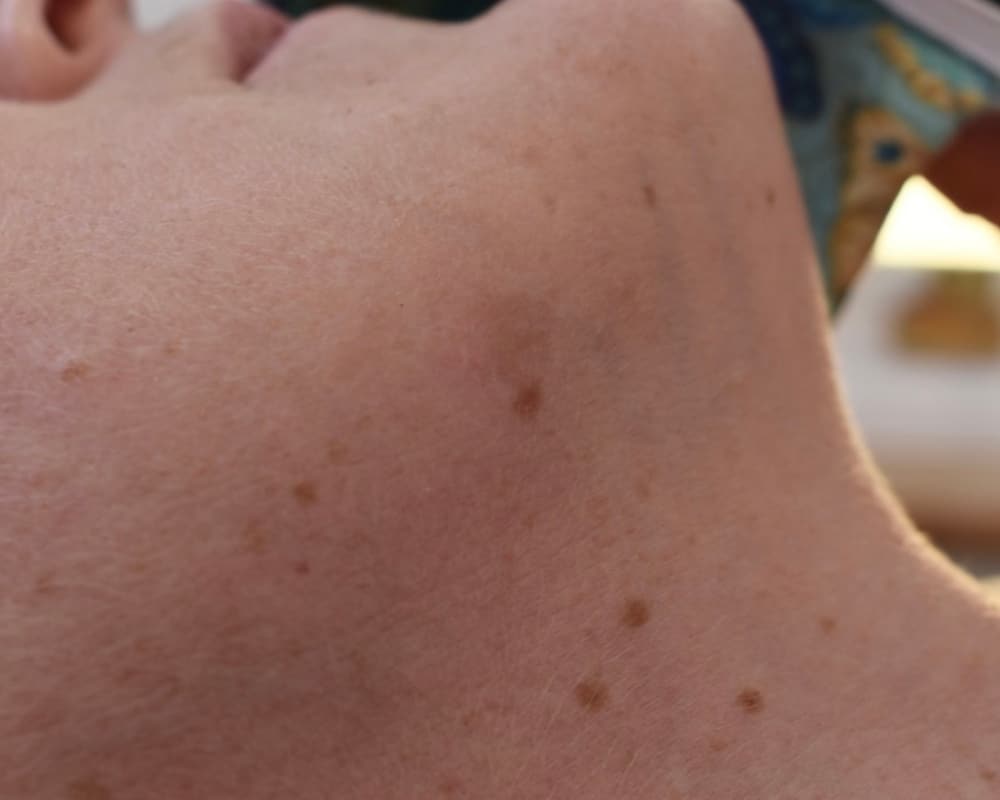
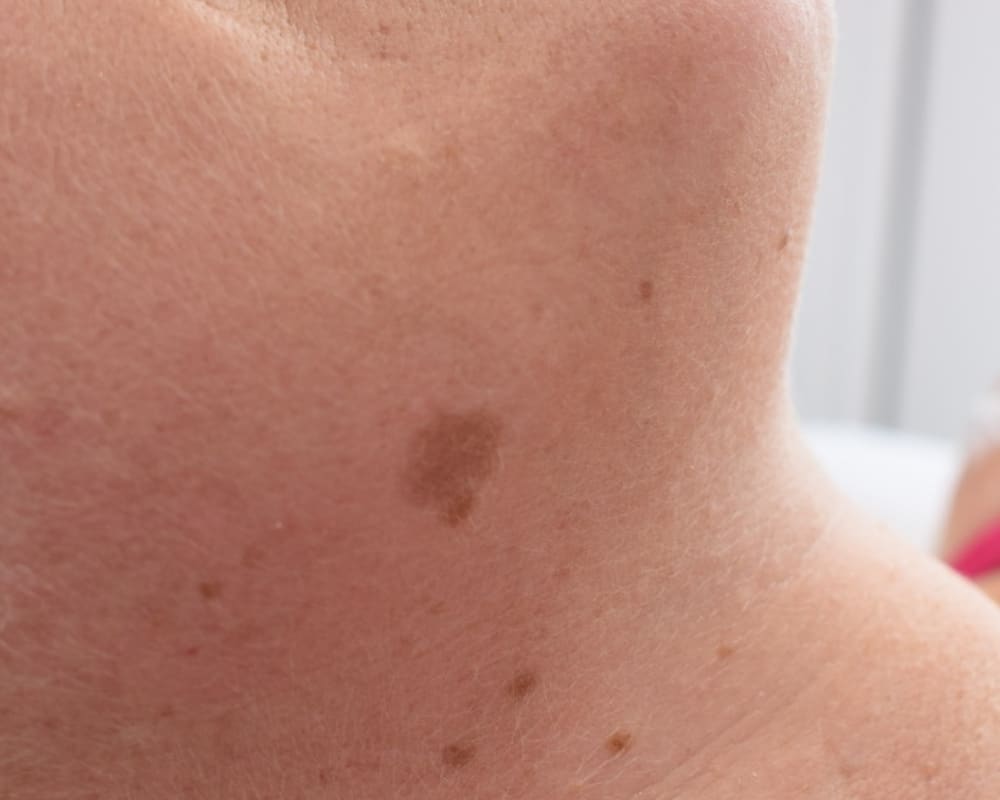
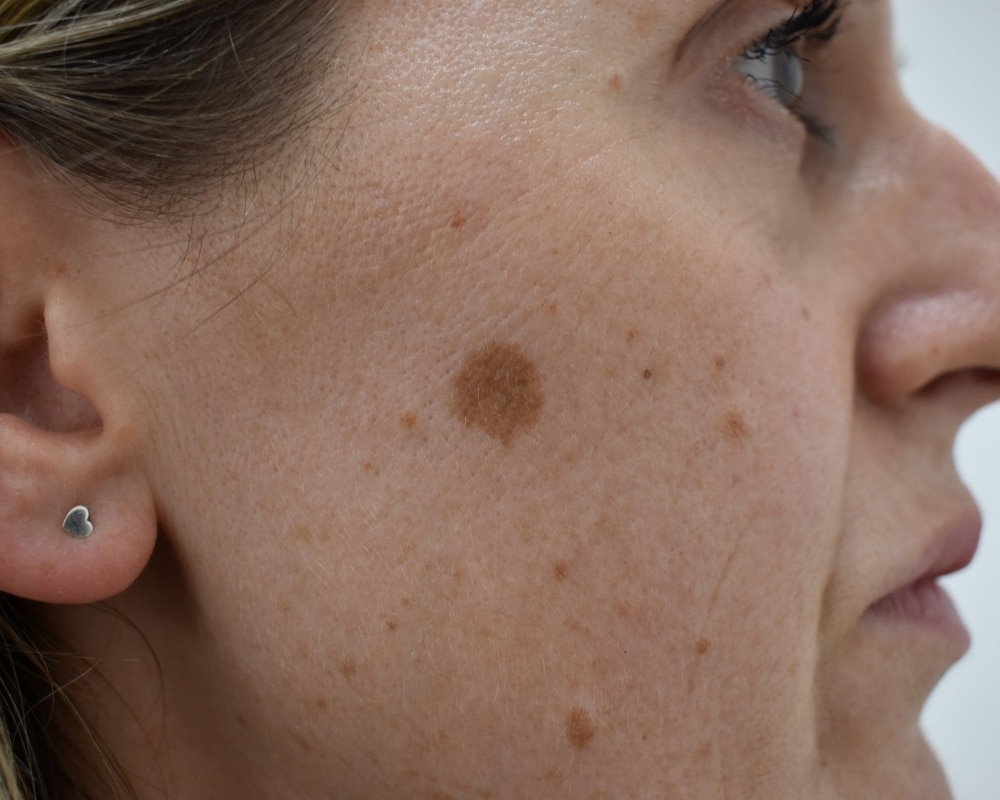
- Age Spots / Sun Spots (Solar Lentigines) – flat tan to brown areas caused by long-term sun exposure and ageing.
Each of these pigment types has a different cause and therefore requires a different treatment approach.
Your Treatment Journey
1
Consultation & Skin Analysis
We examine the pigment, identify its cause and determine the safest, most effective treatment path.
2
Personalised Plan
We choose the ideal combination of treatments and skincare for your skin type, ethnicity and lifestyle.
3
Maintenance & Prevention
We support you with long-term skincare guidance to protect your results. Support doesn't stop when your treatment ends - we monitor progress and evolve your plan with you.
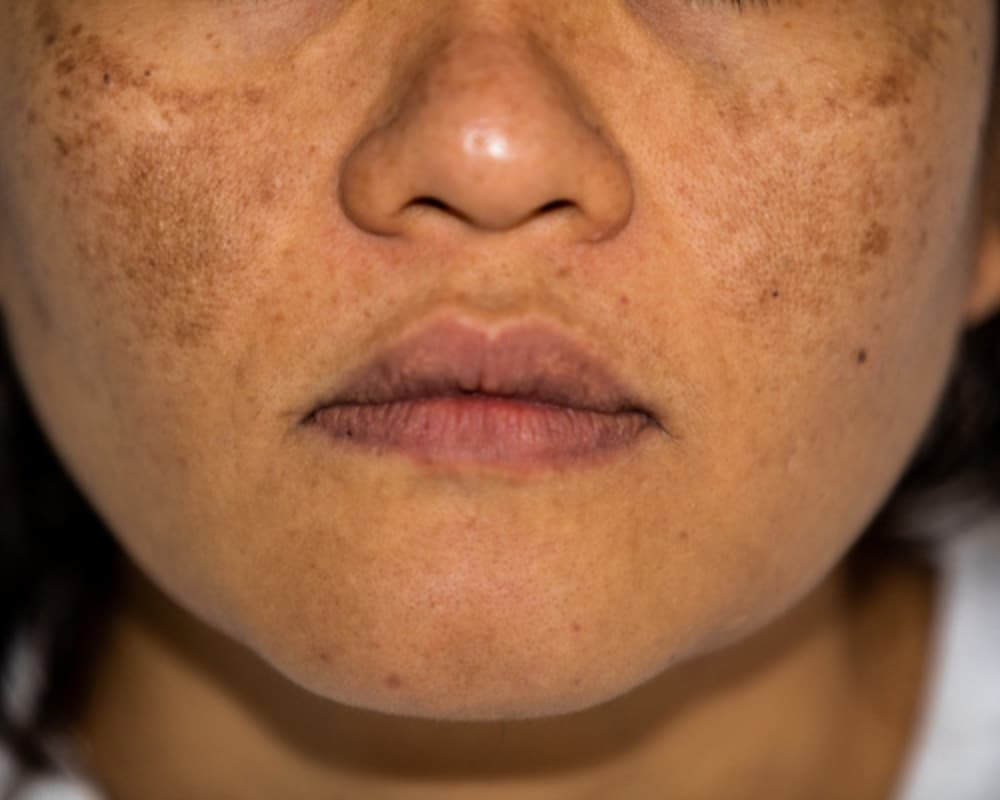
Post-Inflammatory Hyperpigmentation (PIH)
This occurs when excess melanin is produced as the skin heals and typically presents as a dark patch in the same place as where the skin has been subject to inflammation or injury. Although on lighter skin tones, it may also present as red or pink.
Common causes can include acne or eczema breakouts, cuts, burns or insect bites. Alongside this aggressive clinical exfoliation, such as chemical peels or dermabrasion, can also contribute to Post-inflammatory hyperpigmentation.
Post-inflammatory hyperpigmentation can take time to fade, but with consistent treatment and sun protection, results can be transformative.

Post-Inflammatory Hypopigmentation
This occurs when the skin (specifically melanocyte cells) loses pigment after inflammation or injury, creating lighter areas compared to the surrounding skin. It can be caused by inflammatory skin conditions like eczema or psoriasis, injuries such as burns or acne, or potentially dermatological procedures like laser therapy or chemical peels.
Treatment typically involves addressing the underlying inflammation. The pigment loss can often resolve on its own over time, although this can take months. With our treatments, we provide realistic expectation-setting, ongoing monitoring and support.
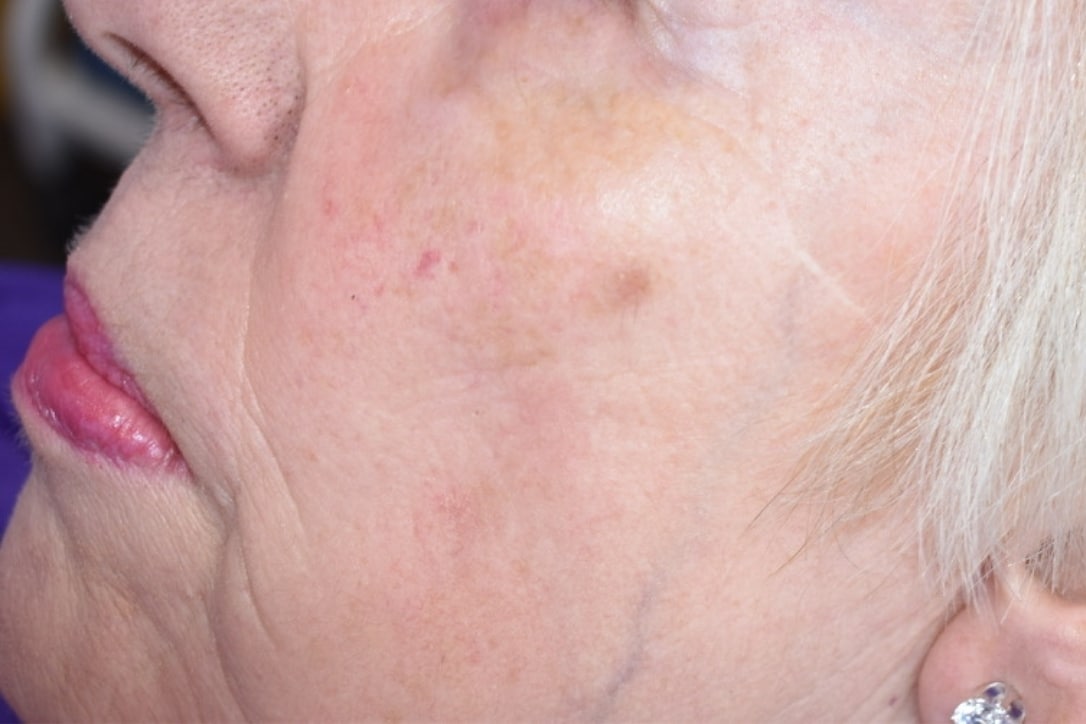

Age Spots / Sun Spots (Solar Lentigines)
These flat brown spots appear gradually over time due to UV exposure. They are harmless, but signal that prolonged sun exposure has resulted in skin damage.
If you want to remove existing age spots, a variety of treatments are available, with many clients seeing visible lightening after just one treatment course.
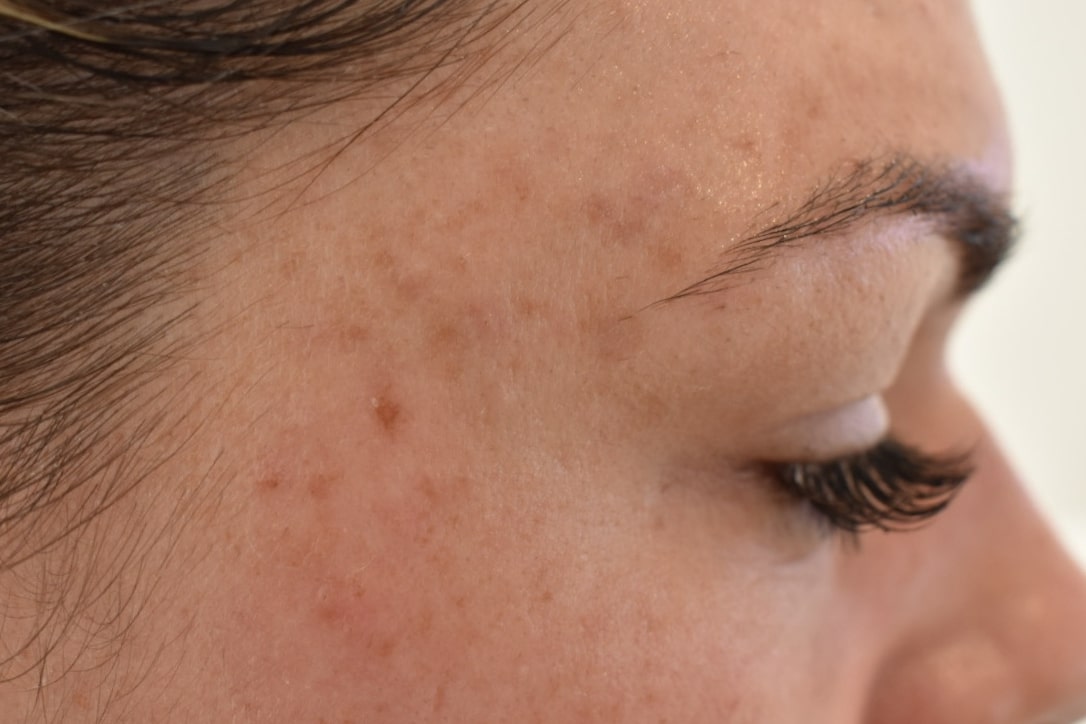

What does the treatment journey look like?
- Stage 1: Consultation & skin-analysis – we evaluate your skin type, concern, and medical history, and discuss suitable treatment options.
- Stage 2: Treatment plan – we may recommend one or multiple treatment options alongside a timeline and expectations.
- Stage 3: Aftercare & maintenance - we will go through relevant aftercare, such as potential changes to the skincare routine and potential repeat treatment sessions.
Facial Pigmentation & Skin Blemishes Frequently Asked Questions
Will the pigmentation go away completely?
Many cases improve dramatically. The exact outcome depends on various factors discussed during your consultation.
Is treatment safe for darker skin tones?
We follow protocols suited to each skin phototype and adjust treatment specifically to each individual.
Can age spots return?
They can, but this risk is greatly reduced with sun protection and good skincare.
How soon will I see results?
Some clients see visible improvement after a single treatment phase, while deeper pigment can require a series.