


What Is Eyelid Sagging or Hooding?
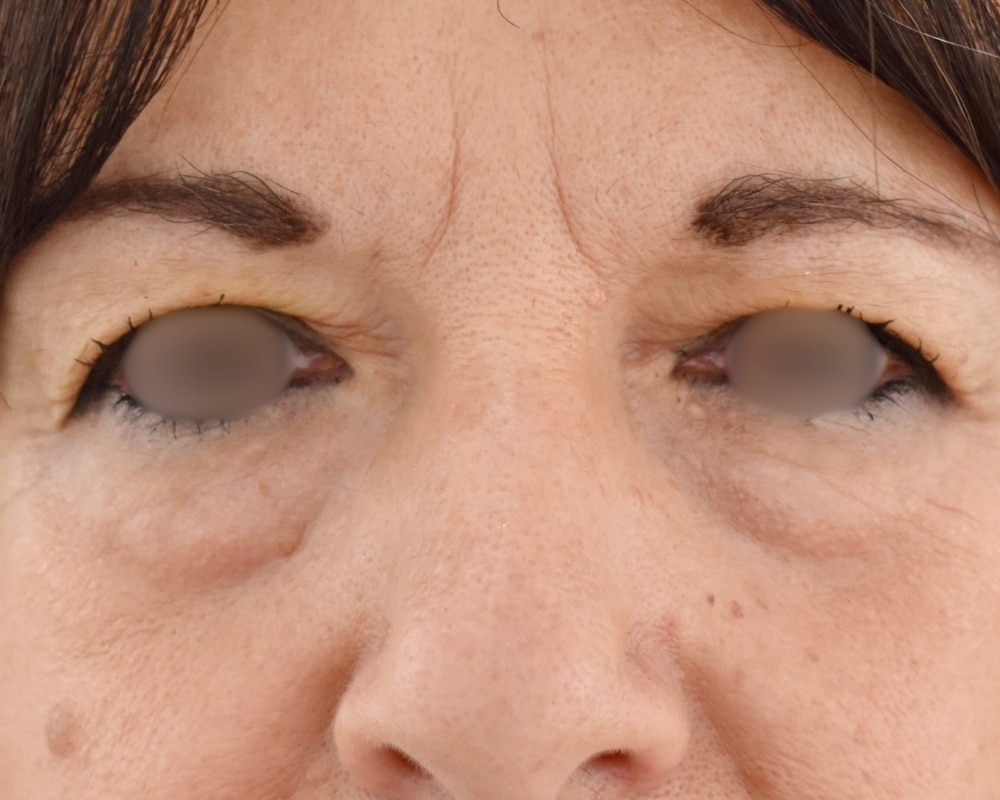
Hooded or saggy eyelids refer to excess or loosened skin of the lid that creates a heavier fold or a less defined lid crease, or, in the case of the lower eyelid, creates eye bags or creases.
In some people, the skin simply softens and begins to rest closer to or onto the lash line. This can subtly change the eye's openness, the ease of makeup application or the overall appearance of alertness.
Your Eyelid Journey
1
Clinical Assessment
We examine the following:
- Eyelid skin laxity
- Brow position
- Eye socket volume
- Skin quality
- Symmetry
- Suitability for non-surgical vs surgical options
2
Personalised Treatment Plan
Clear recommendations tailored to your anatomy, goals and preferences.
3
Treatment + Aftercare
Our treatments are designed to support comfort, natural outcomes and minimal downtime.
4
Review & Maintenance
We monitor progress and recommend maintenance options to support longer-lasting results.


When & Where It Appears
When
- Often visible from the late 30s onwards, but can appear earlier due to genetics or thinner skin.
- Becomes more noticeable with ageing as collagen and elastin decline.
- May progress gradually rather than suddenly.
Where
- Primarily on the upper eyelid crease area, where skin either softens or folds over.
- The outer upper corner of the eyelid is often the first area to show mild hooding.
- Makeup may “print” onto the lid because the fold is closer to the lashes.

Contributing Factors
Eyelid concerns generally result from one or more of the following:
- Skin laxity: A natural reduction in collagen and elastin reduces the firmness of the skin.
- Volume loss: Loss of soft-tissue support in the periorbital socket and brow area can make the skin drape more visibly.
- Brow descent: A subtle downward shift of the eyebrow with age can increase the appearance of hooding.
- Genetics: Some individuals naturally have a more prominent upper-eyelid fold or thinner upper-lid skin.
- Lifestyle & environmental factors:Such as UV exposure, smoking, hydration, and general skin health.
These factors are appearance-related, not health indicators, and they are completely normal changes over time.


How It Presents
- A softer or heavier upper-lid fold
- Reduced visible eyelid platform (less space between lashes and brow)
- Crepey or finely wrinkled skin on the upper lids
- Difficulty with eye makeup placement
- Mild asymmetry between the two lids (very common)


Treatments
Our approach begins with a consultation so we can identify the cause (skin laxity, volume loss, brow descent or a combination). This ensures the correct treatment pathway.
Skin-Tightening & Rejuvenation Treatments
These support collagen in the delicate upper-lid area to improve firmness and texture.
Options available at our clinic include:
- Nonsurgical blepharoplasty: micro‑traumas trigger collagen remodelling and skin contraction, immediately tightening and lifting effect to the area and promoting skin rejuvenation, all without the need for incisions, stitches or general anaesthesia.
- PDO threads: although not placed in the upper eyelid itself, carefully restoring brow-support can reduce the appearance of hooding in suitable cases. This is always assessed with caution for safety and suitability.
- Phototherapy (LLLT): used alongside the above treatments to support skin recovery and cell repair, and shorten collagen fibres to emphasise the treatment outcomes


Other Potential Treatment Options
Here at Cambridge Contour Clinic, we focus on minimally invasive techniques to optimise healing and cosmetic outcomes. However, we believe in transparency to help our clients make an informed choice on how they would like to proceed. Therefore, if we are aware of other recognised treatment methods that may be suitable for you, we will discuss these during your consultation.
Eyelids Frequently Asked Questions
Is sagging upper-lid skin normal?
Yes. It’s a common age-associated anatomical change and varies between individuals.
Will non-surgical treatments remove heavy hooding?
They can improve firmness and texture, but significant excess skin typically requires surgical blepharoplasty.
Is treatment painful?
Most non-surgical treatments are well-tolerated, with minimal discomfort. with a topical anaesthetic applied.
How long do results last?
Collagen-supporting treatments build results gradually and can be maintained for long-term benefit.
Can makeup improve the appearance?
Yes - and we can advise during consultation on skincare that supports smoother application