

What is seborrhoeic keratosis & what does it look like?
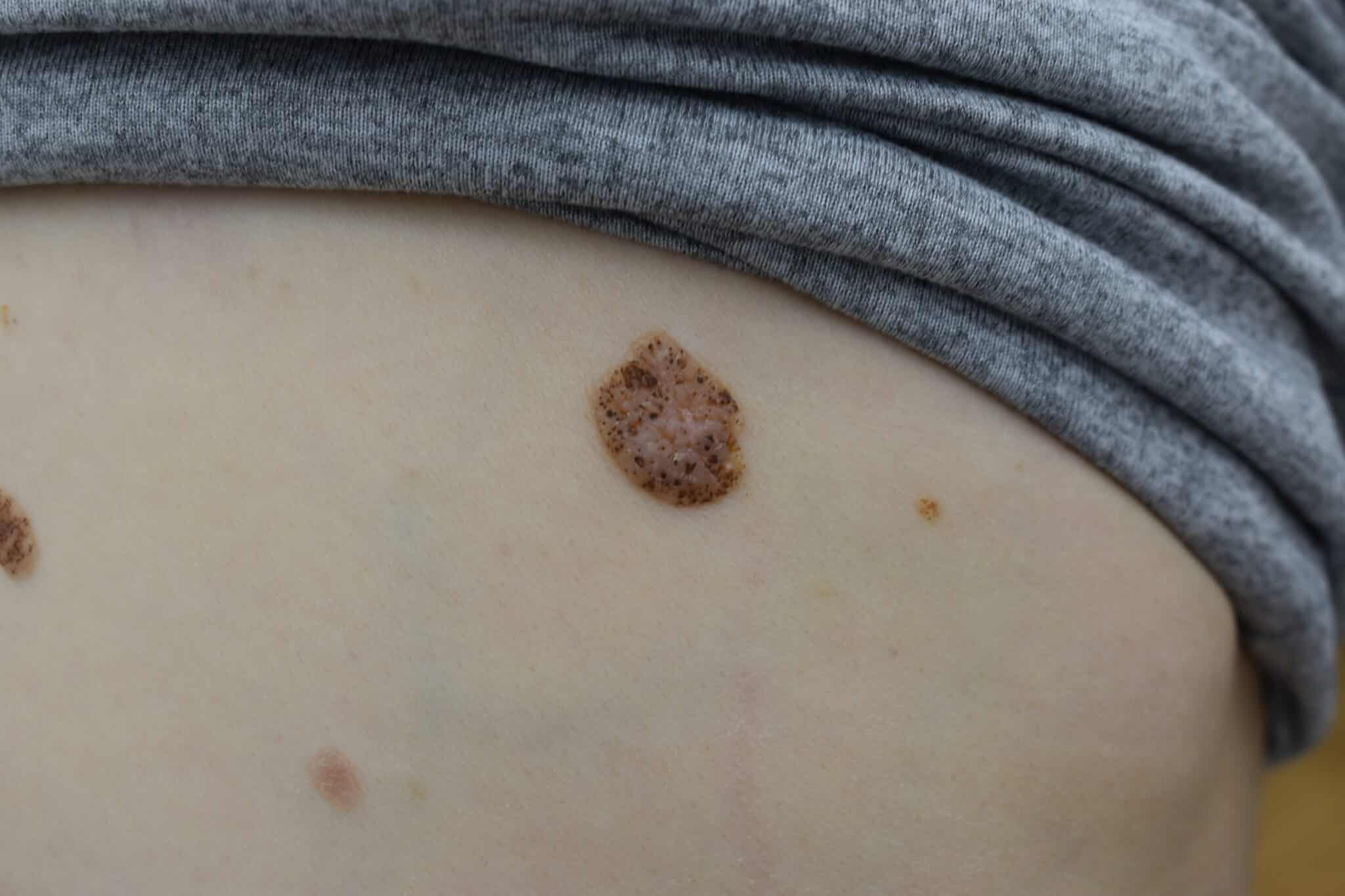
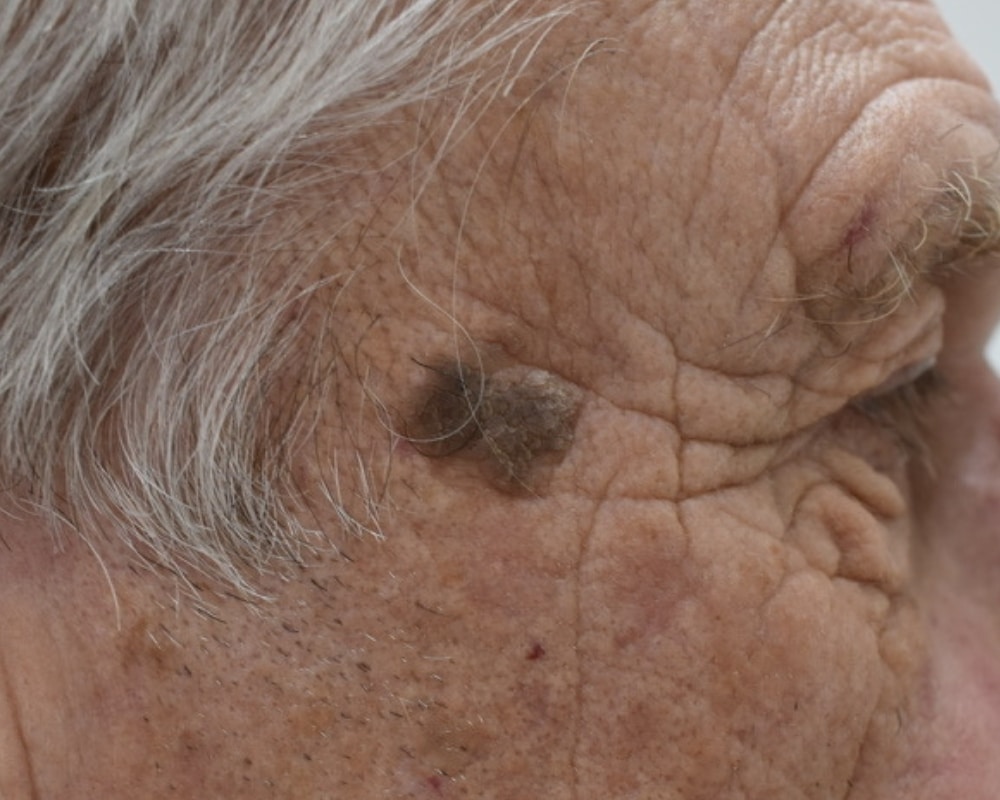
Seborrhoeic keratosis is a benign growth of the upper layer of skin (epidermal keratinocytes) - it is not a cancer and not infectious, nor can it be passed from person to person.
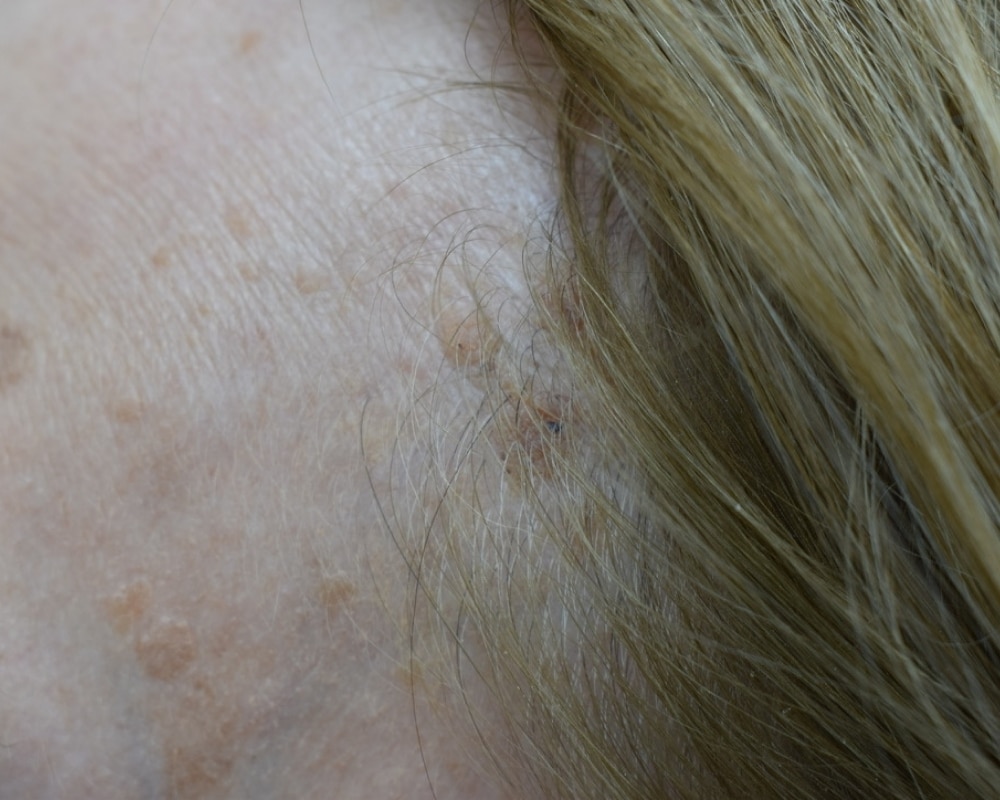
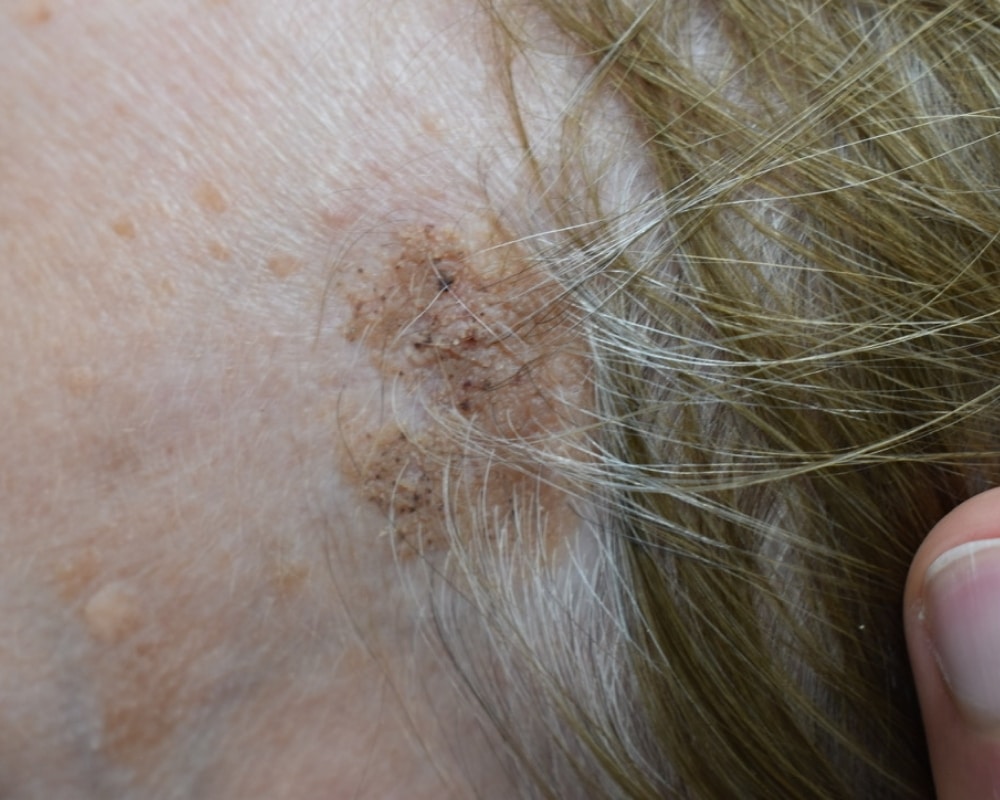
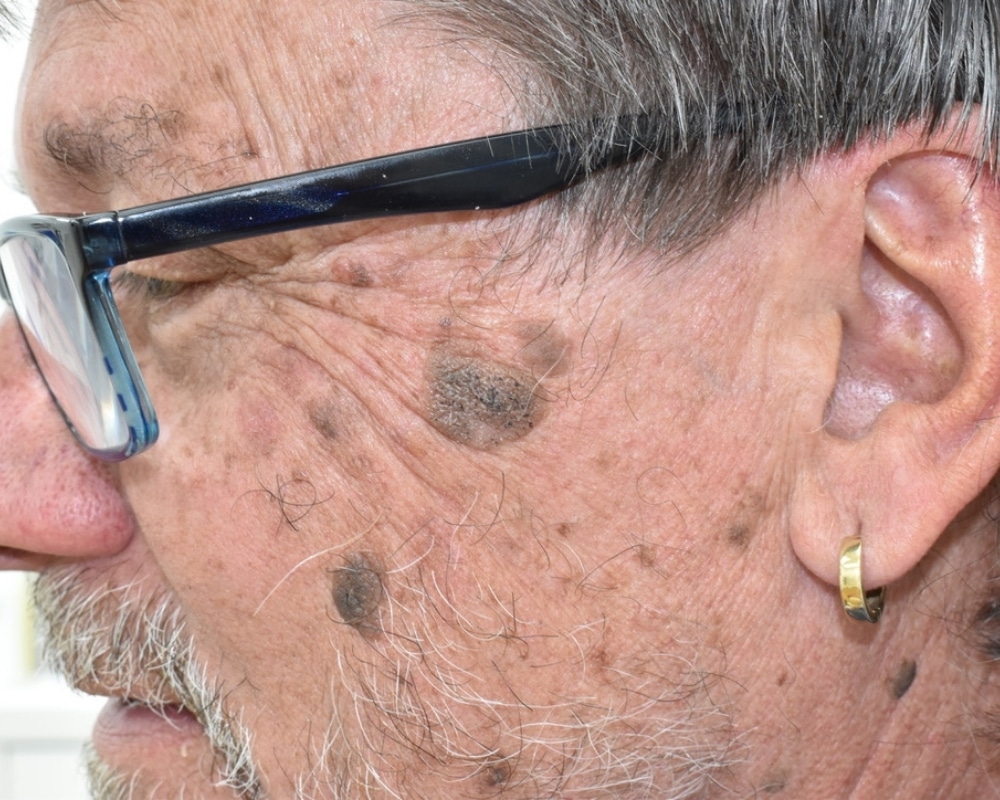
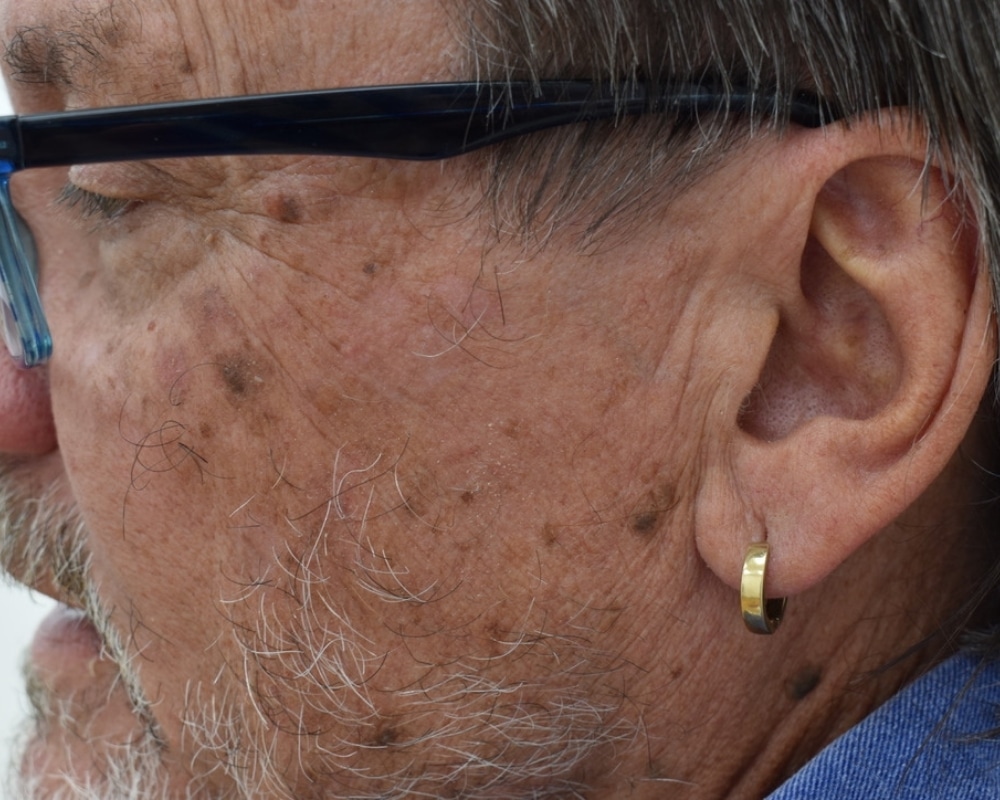
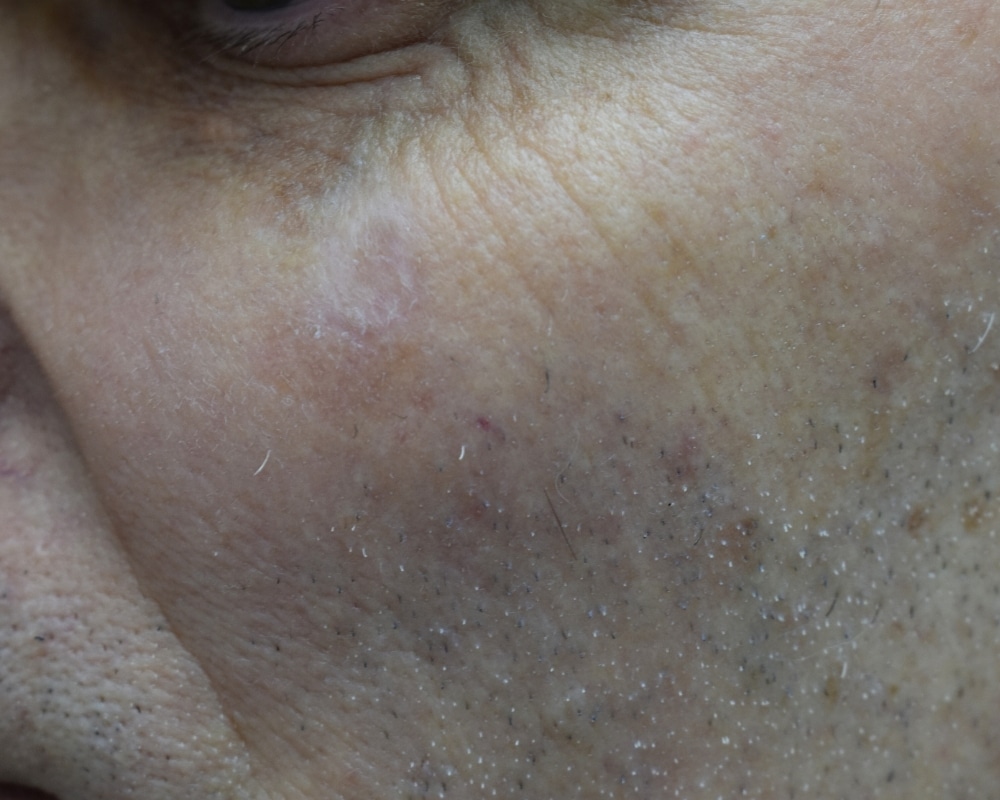
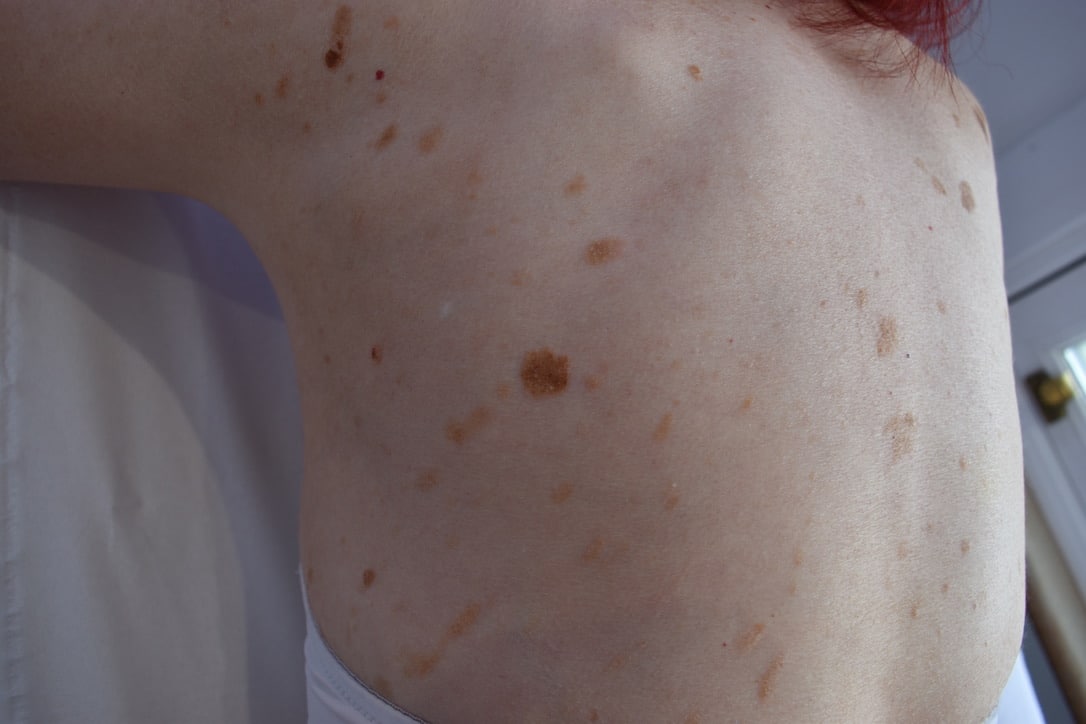
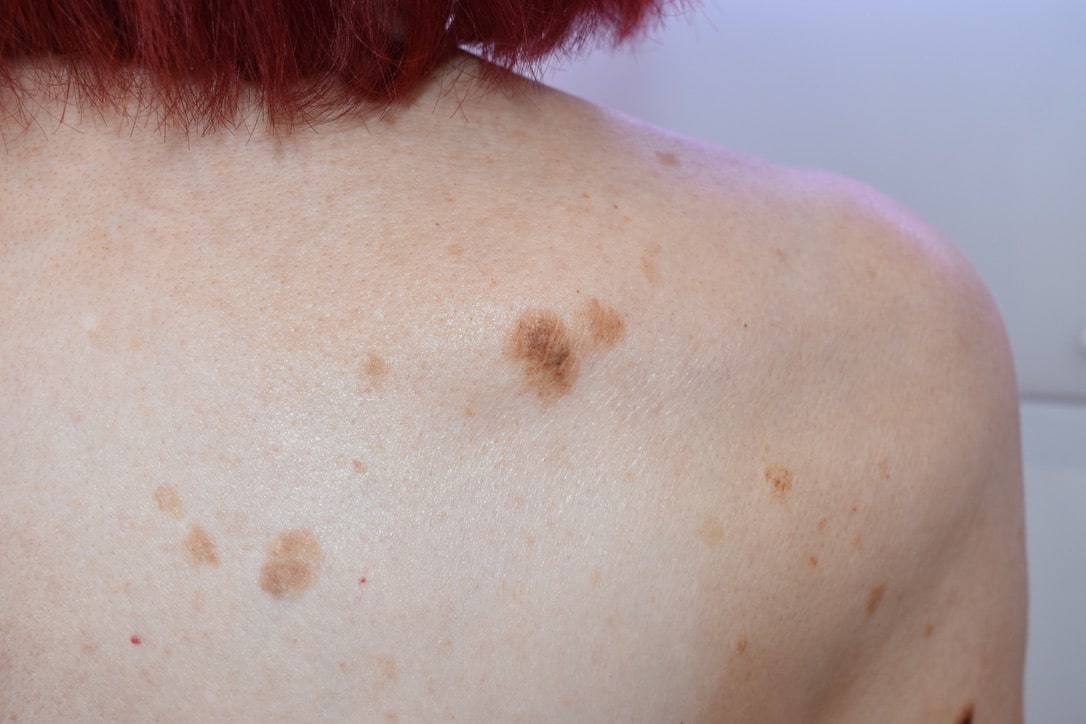
On the surface, it typically appears as a patch, plaque or raised area of skin that looks waxy, scaly, bumpy or slightly warty - as if it has been “stuck onto” the skin.
Key Identifying Features
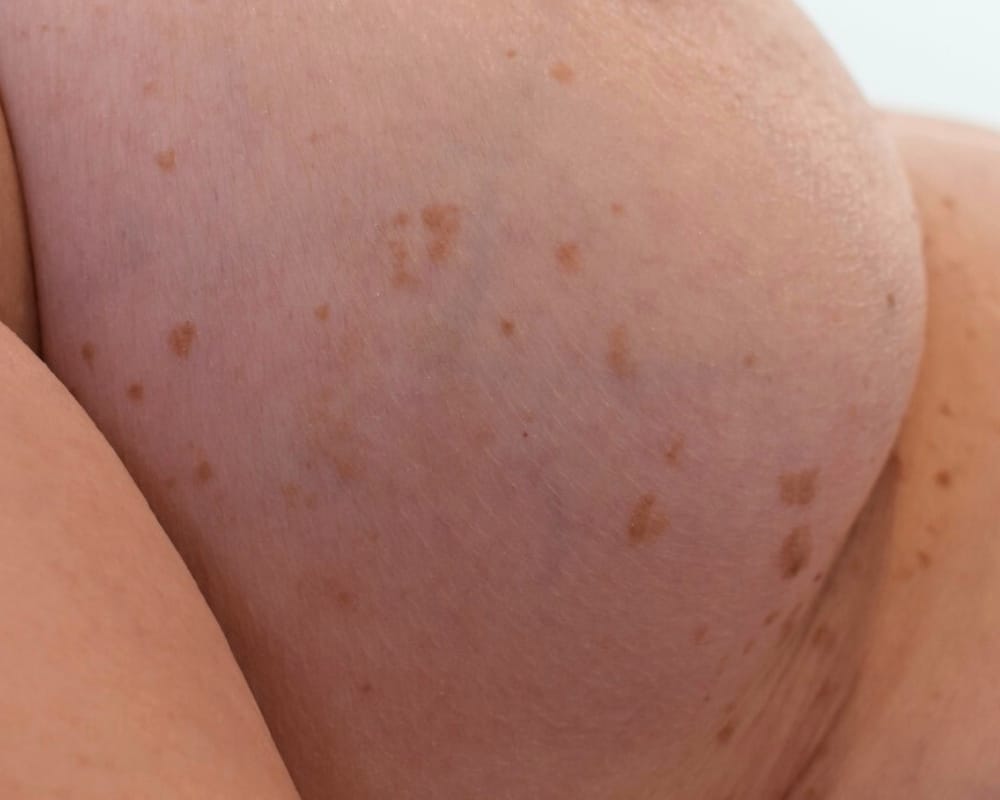
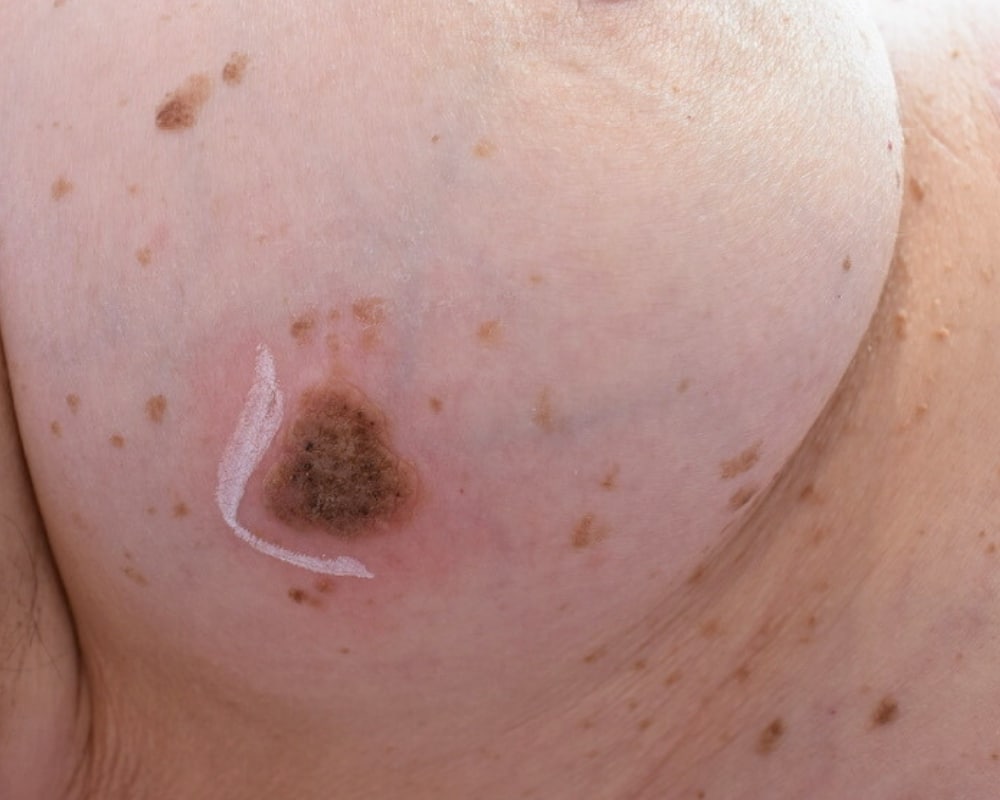
- Typically appears as a flat or slightly raised, ‘stuck-on’ patch or plaque.
- Surface texture is often rough, warty or with keratin plugs, sometimes greasy or waxy.
- Colour ranges from light tan or flesh-coloured to brown or even black.
- Size can vary: from a few millimetres to several centimetres across.


Where They Commonly Occur
Seborrhoeic keratoses can develop almost anywhere on the body, most commonly:
- Back
- Chest
- Stomach
- Face and cheeks
- Neck
- Shoulders
- Scalp (under hair)
Contributing factors
- Ageing: the risk increases as people get older.
- Sun and ultraviolet (UV) exposure: There is some evidence that UV light influences development because of the distribution of sun-exposed areas.
- Genetics/family tendency: Some people inherit a tendency to develop many SKs.
- Friction or minor trauma: especially in body folds where skin rubs together, SKs may catch on clothing and become irritated.
- Medical-medication association: rarely, a sudden eruption of many SKs (the so-called “sign of Leser–Trelat”) may signal an internal malignancy, although this is extremely uncommon.
Prevalence
Seborrhoeic keratosis is one of the most common skin findings in adults, with studies showing over half of men and over a third of women in the UK have at least one SK.
- Around 30% of people have at least one by age 40.
- Around 75% of people have at least one by age 70.
- They are common in all skin tones, and in some skin types may appear as many smaller smooth bumps on the face and neck (a pattern sometimes called dermatosis papulosa nigra).
Treatment Options
At Cambridge Contour Clinic, we offer the following professional medical-grade treatment options
Cryotherapy
Using a fine jet of N₂O under high pressure, we freeze the lesion with millimetre precision.
Micro-Plasma Removal
We use a surgical-grade micro-plasma device, which creates a precise plasma arc (~0.02 mm accuracy) to vaporise the lesion tissue. For Seborrhoeic Keratosis, the use of this treatment would be assessed on a case-by-case basis.
Which is most suitable for you is best discussed within a consultation with one of our specialists, where they will discuss your treatment options, check you are able to have said treatments (i.e there are no health contraindications). They will also discuss healing and success rates, check that you are happy with any potential risks and address any necessary pre-care, post-care, treatment plans and pricing.
Other Potential Treatment Options
Here at Cambridge Contour Clinic, we focus on minimally invasive techniques to optimise healing and cosmetic outcomes. However, we believe in transparency to help our clients make an informed choice on how they would like to proceed. Therefore, if we are aware of other recognised treatment methods that may be suitable for you, we will discuss these during your consultation.
Can seborrhoeic keratosis be prevented?
While they are not fully preventable, these steps may help reduce the likelihood of new lesions forming:
- Daily SPF on exposed skin
- Avoiding long-term sun damage
- Minimising friction on areas that catch or rub
- Skin monitoring - early assessment of whether a new pigmented lesion looks different from others
When to seek a specialist
Although Seborrheic Keratosis is benign, you should seek medical review if:
- A pigmented lesion changes rapidly
- It becomes very dark, irregular or bleeds spontaneously
- A new lesion appears that looks noticeably different from the others
- You suddenly develop many new keratoses at once
These checks ensure similar-looking but more serious conditions (e.g., melanoma) are not missed.
Seborrhoeic Keratosis Frequently Asked Questions
Is a seborrhoeic keratosis ever cancerous?
No - it is benign and does not turn into skin cancer. However, because some skin cancers can mimic SKs, any change or unusual pigmented lesion should always be checked.
Is a seborrhoeic keratosis a wart?
Seborrheic keratosis can resemble a wart, but it is not contagious because it is not caused by a virus.
Will there be a scar?
Following our aftercare advice, most clients heal with little to no scarring. Healing varies with location and skin type. We will discuss this during your consultation.
Do I need to treat it if it’s benign and not bothering me?
No - Removal is often chosen for cosmetic reasons, or if the lesion itches, bleeds or catches on clothing.