

What are thread / spider veins?
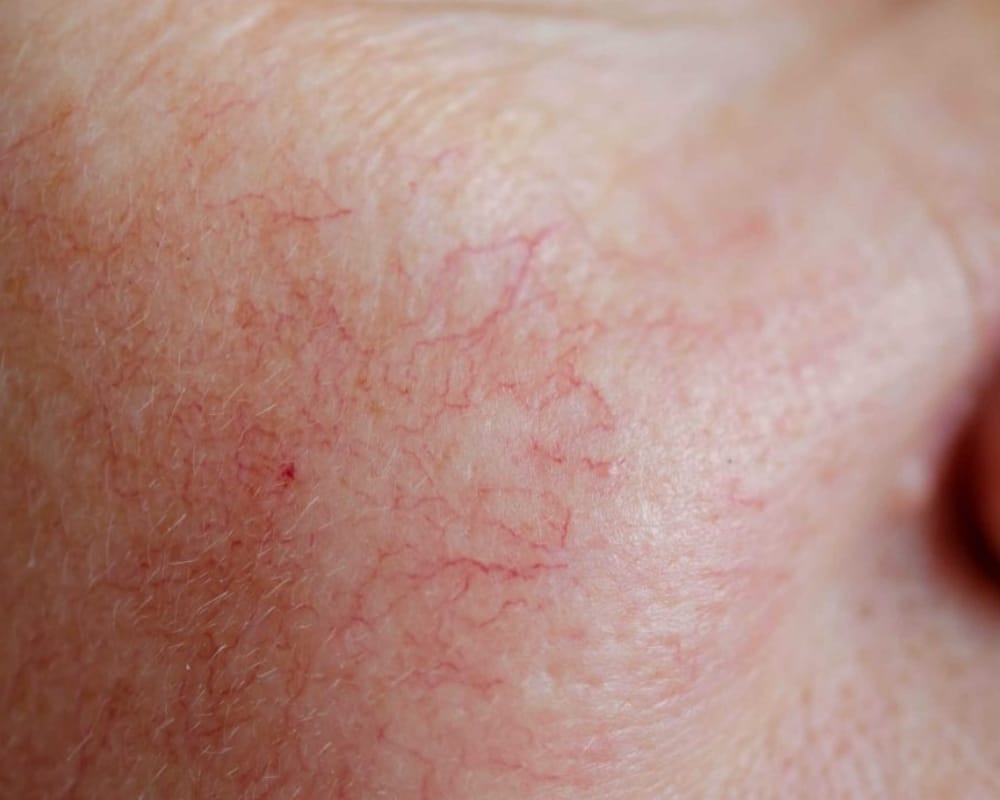
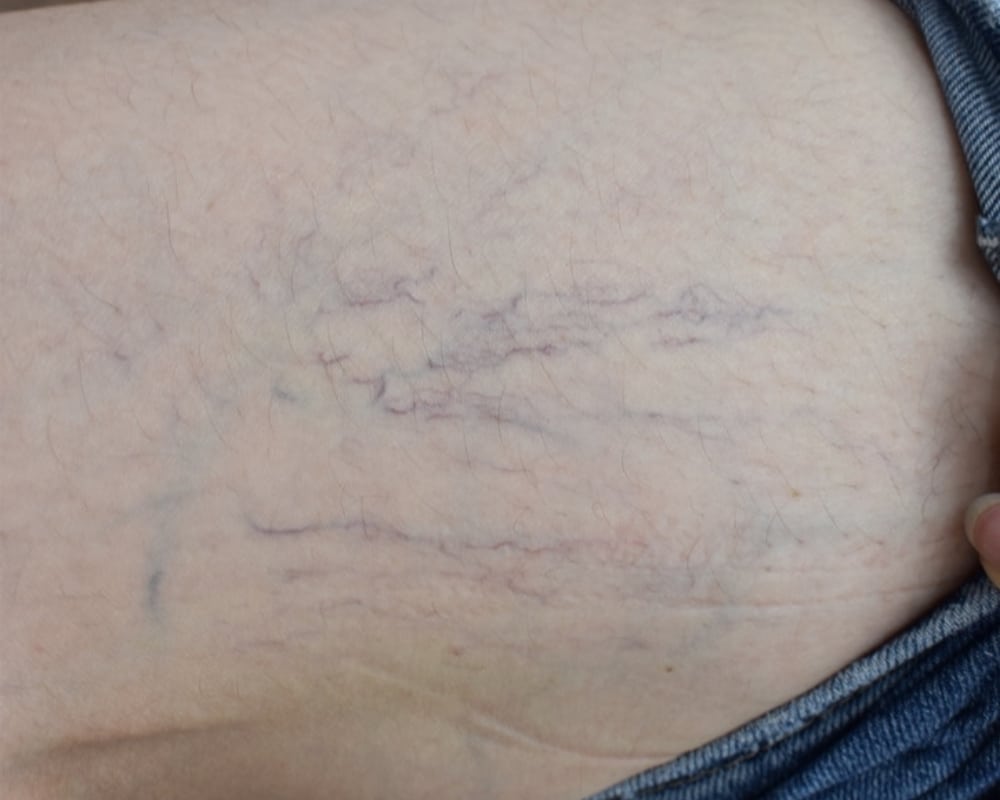
Thread veins - also often called spider veins - are small, visible blood vessels just beneath the skin’s surface. They typically appear as fine red, blue or purple lines.
They can also appear as small webs known as spider nevi, Spider telangiectasia, Vascular spider ot Nevus araneus
While they are usually harmless in themselves, they can be a cosmetic concern and sometimes indicate deeper vascular issues.
Where do they commonly appear?
They commonly surface in areas of increased pressure or sun exposure, such as:
- Legs - commonly on the thighs, calves and behind the knees
- Around the ankles
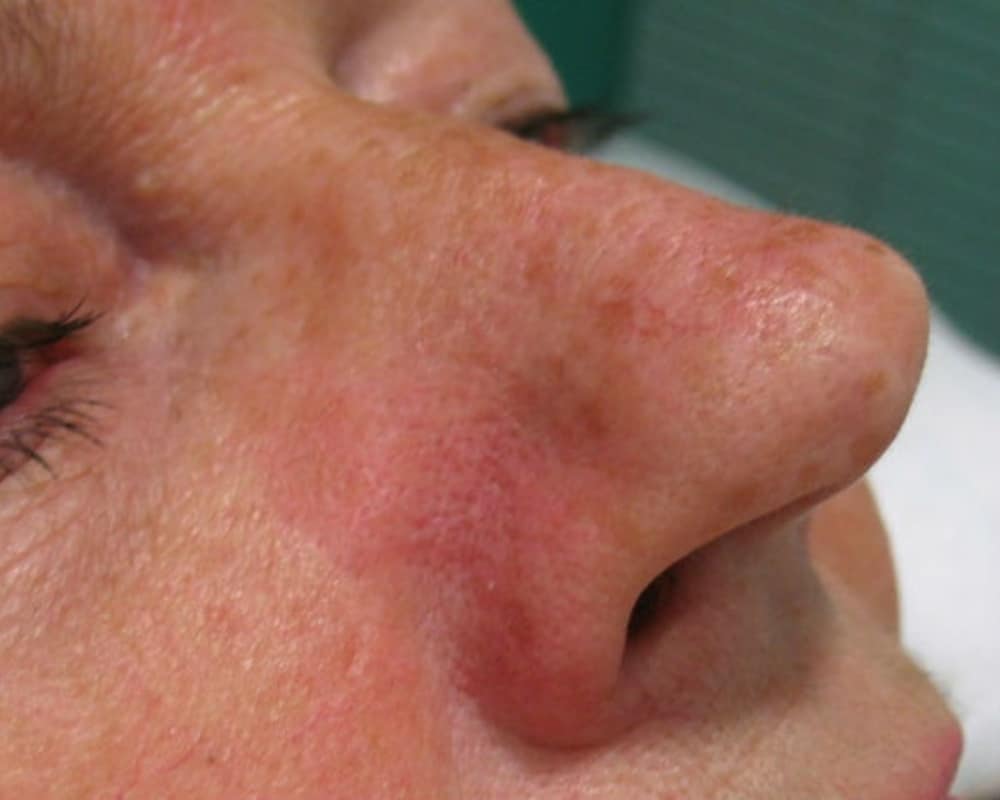
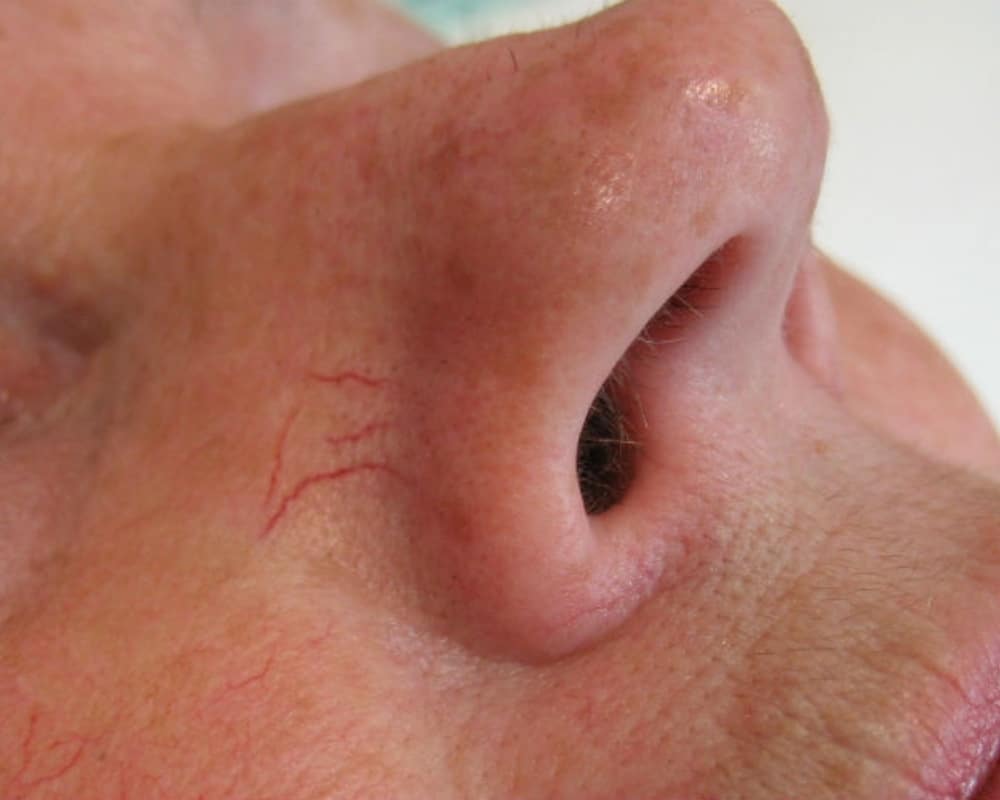
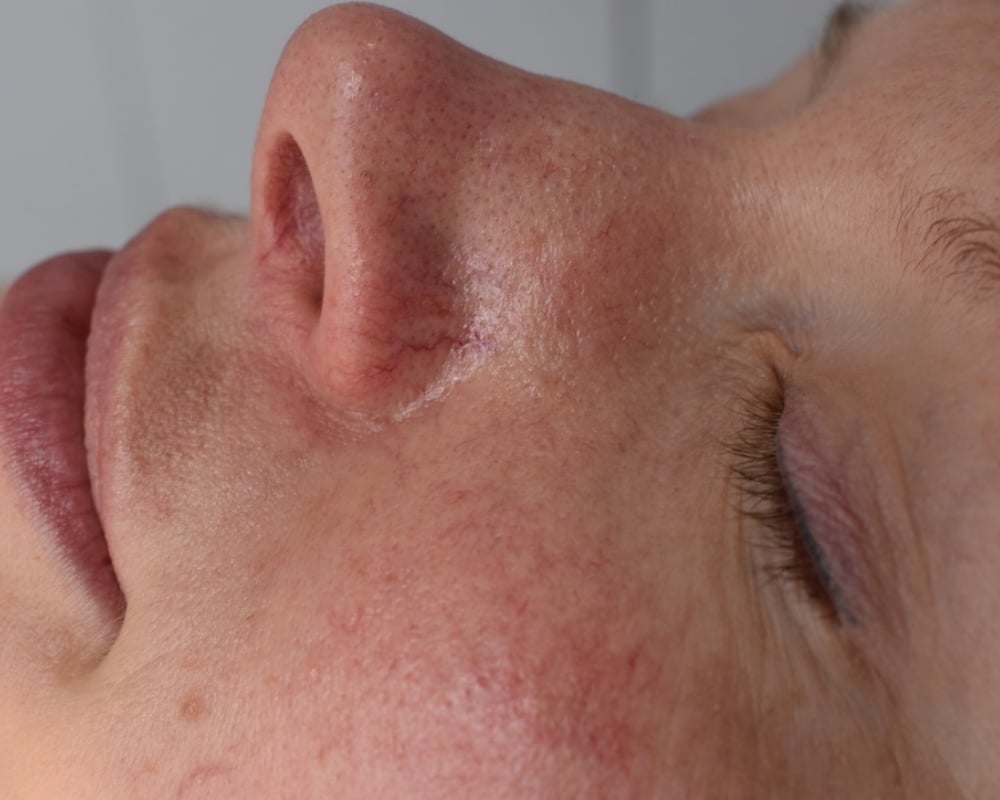
- Face and other exposed areas.
Contributing factors:
- Genetic predisposition: family history of visible veins increases the likelihood.
- Hormonal influences: for example, pregnancy, menopause, and hormone therapy. Higher hormone levels and increased circulation volume can contribute to their appearance.
- Lifestyle and circulatory strain: being at a sustained heavier weight, long periods standing and wearing tight clothing can be some of the factors that can increase venous pressure, which can play a role in their appearance
- They may gradually develop with age as blood vessel walls become less resilient.
- Ultraviolet (UV) exposure or extreme weather conditions and skin damage can cause the small blood vessels (particularly in the face) to dilate.
- Occasionally, underlying venous issues, especially for leg thread veins, hidden thread veins or venous reflux, may be present.
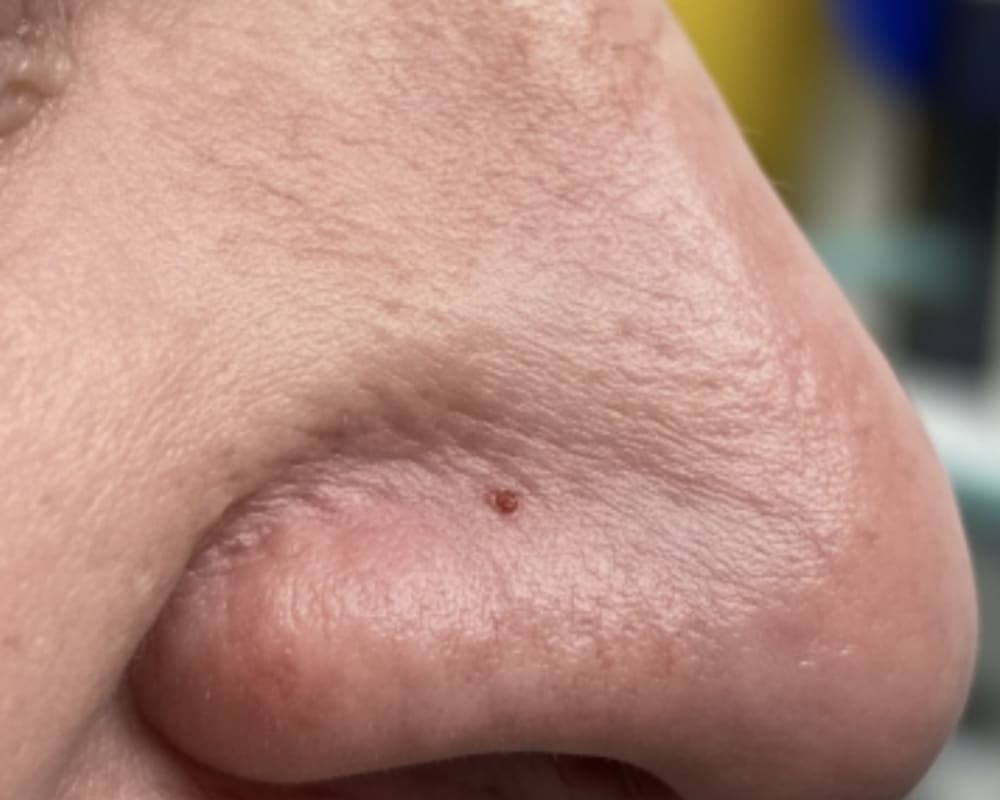
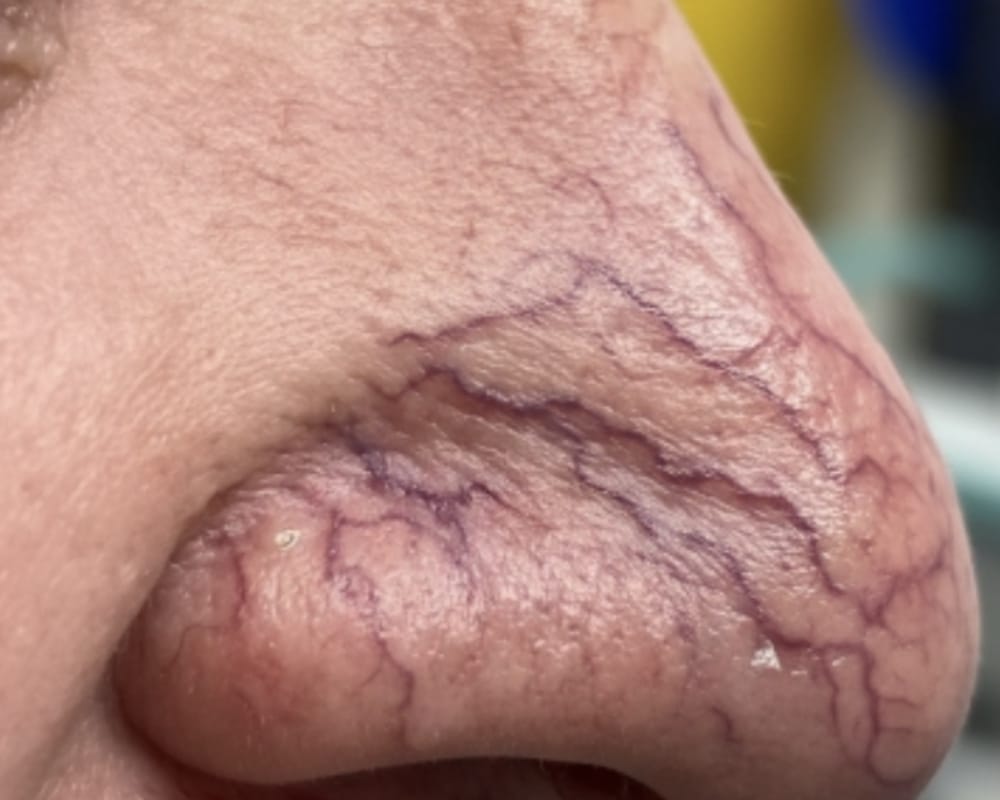
How we treat thread veins at Cambridge Contour Clinic
At CCC, we offer tailored, evidence-based therapies as part of our non-surgical aesthetic services in Cambridge. We assess your individual skin, location and underlying vascular health before recommending a plan.
Treatment options may include:
- Microsclerotherapy - an injection of a sclerosant into small leg veins to make the veins collapse and fade over time
- Microplasma - our Microplasma treatments can aid the appearance of thread veins under certain conditions, as the technology cauterises the site of treatment.
- Lifestyle & support measures - although not a standalone cure, adjusting for long sitting/standing, supporting circulation and skin health assist long-term outcomes.
Which is most suitable for you is best discussed during a consultation with one of our specialists, where they will discuss your treatment options and check that you are able to have those treatments (i.e., there are no health contraindications). They will also discuss healing and success rates, check that you are happy with any potential risks and address any necessary pre-care, post-care, treatment plans and pricing.
Other potential treatment options
Here at Cambridge Contour Clinic, we focus on minimally invasive techniques to optimise healing and cosmetic outcomes. However, we believe in transparency to help our clients make an informed choice on how they would like to proceed. Therefore, if we are aware of other recognised treatment methods that may be suitable for you, we will discuss these during your consultation.
What to expect
- Initial consultation - We’ll review your skin and veins, understand your concerns, check relevant medical history (e.g., circulation issues, medications) and determine if treatment is appropriate.
- Treatment & personalised plan - We’ll recommend the right treatment and outline how many sessions, expected downtime and after-care. On the day, we take every step possible to make sure you feel safe, comfortable and well-informed.
- Results timeline - Depending on the treatment, some improvements are visible quickly; fuller effects may appear over weeks or months, especially when collagen remodelling is involved.
- Maintenance – To preserve results, we may recommend follow-up treatments in a tailored plan for your skin alongside relevant lifestyle advice
- Safety & realism – We prioritise safe, realistic treatments. We’ll explain what can and cannot be achieved; we never set unrealistic expectations.
Thread / Spider Veins Frequently Asked Questions
Is the treatment painful?
Overall discomfort is low; we use local anaesthesia or cooling as required. Micro-plasma treatment FAQs (see our site) provide full details.
Will the veins come back?
Treated veins are gone, but you may develop new ones; we’ll discuss how your risk factors can be managed.
What about downtime?
Many clients return to normal activity quickly. Specific instructions vary with treatment type.
Are side effects common?
Mild bruising, redness or temporary darkening may happen, but serious complications are rare with proper assessment.
Am I a good candidate?
Typically, yes - but if you have significant varicose veins or circulation issues, a vascular referral may be needed before aesthetic treatment. Factors such as pregnancy or breastfeeding, chronic illnesses, autoimmune disorders or skin conditions are some, but not all, factors that also need to be assessed for suitability. Our specialists will guide you through any contraindications during your consultation. You must also be over the age of 18.