

Why Phototherapy?
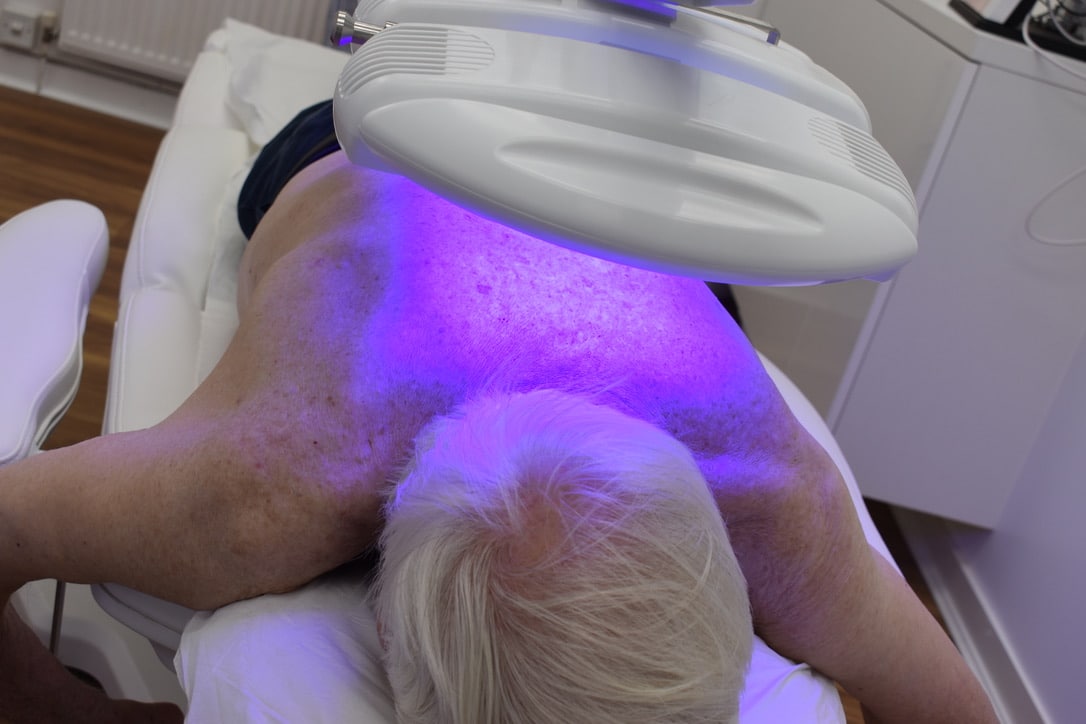
Trusted by dermatologists, the Dermalux Tri-Wave MD is a ground-breaking medical device powered by proprietary LED technology for the most advanced phototherapeutic and photodynamic treatments in the global medical aesthetic market.
The benefits of Phototherapy treatments, often known as Low-Level Light-Therapy (LLLT), have been clinically recorded to address a wide range of dermatological concerns.
What to Expect - Your Phototherapy Journey
1
Consultation
- We begin with a detailed visual assessment of your skin concern and discuss your desired outcomes.
- You'll receive a full explanation of your treatment options, expected outcomes, and any risks - with supporting images or video examples.
- You'll leave fully informed and confident before making your decision.
2
Quote & Plan
- Tailored treatment plans: Our specialists will select wavelength combinations, power and the number of sessions based on the condition being treated, such as wound-healing support, acne/inflamed skin or assisting skin rejuvenation treatments such as Microneedling.
- You’ll be given a fixed, transparent quote before treatment begins, no surprises.
- For multi-session procedures, you'll know the exact cost per visit.
3
Treatment Session
Double Cleanse: This is an essential first stage to any treatment on the skin - a rich, oily cleanser is used first to break down and remove make-up, SPF, grime, and sebum. This is then followed by a deeper water-based cleanser to remove bacteria, sweat and superficial dead skin cells. This ensures we have a clean canvas to gain maximum benefit from anything that the skin is exposed to during your treatment.
Treatment using the Triwave MD device - Treatment times vary but are typically 20 minutes. We allocate extra time so you never feel rushed.
Moisturising and SPF: To conclude our treatments here at Cambridge Contour Clinic, we use the very best skincare products to leave your skin fully hydrated and protected for the rest of your day. A high factor SPF is applied after all facial treatments, as exposure to UV light can be elevated, and individuals are more susceptible to sun damage. A broad-spectrum SPF is then recommended for use every day for at least a week following any facial treatment. You can drive or return to normal activity straight away. Phototherapy is quick, comfortable, and leaves no open wounds.
4
Aftercare & Healing
- There is little to no risk of irritation, side effects or downtime that may be associated with more invasive procedures.
- If you're not combining Phototherapy with other treatments, you may reapply makeup straight away (if applicable) and can go into the sun immediately; however, always ensure a suitable SPF is applied.
5
Follow-Up & Results
- Visible improvement can be seen after just one treatment, depending on the condition's severity and your own personal skin type.
- Although a follow-up isn't necessary, a course of treatments will always show greater results.
- Maintenance treatments and a good home skincare routine are necessary if you want your results to last.


Possible Treatment Options For Skin Health
- Post-microneedling & peels: You can use Phototherapy immediately afterwards to calm redness, reduce downtime and enhance collagen response.
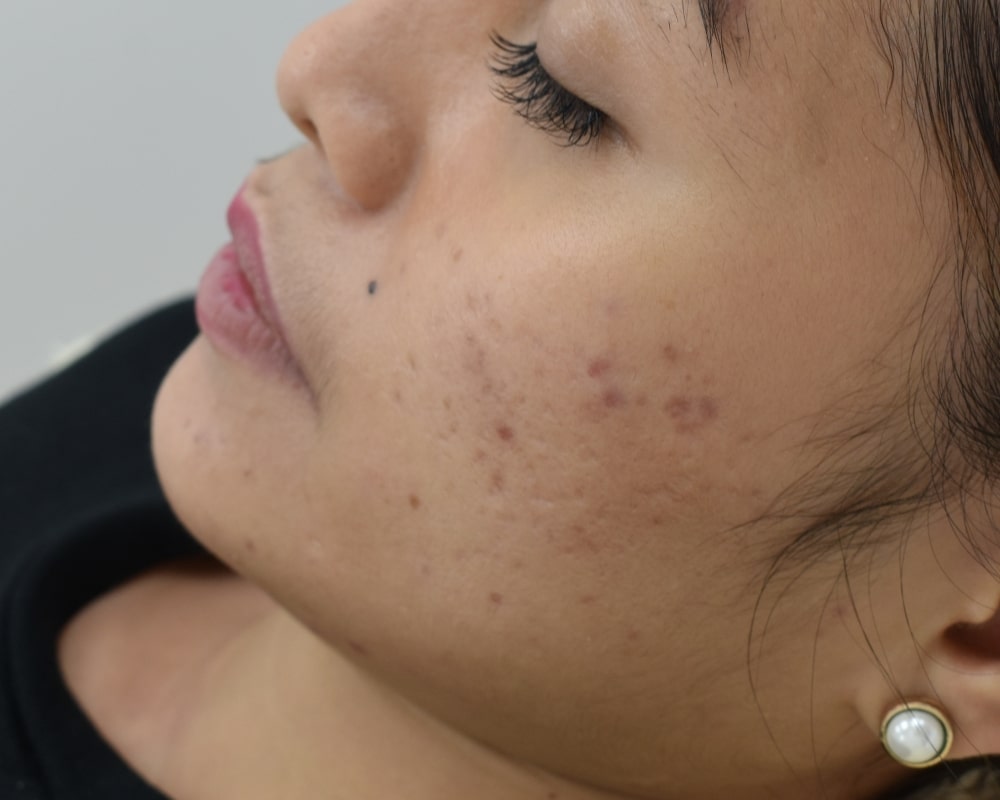
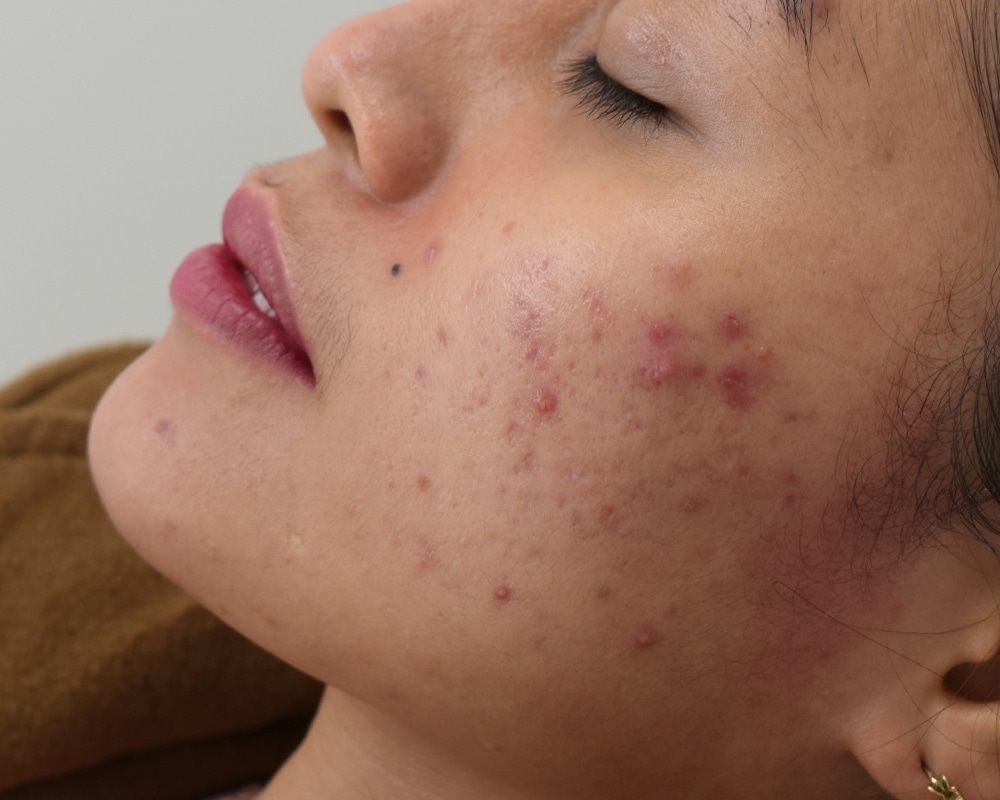
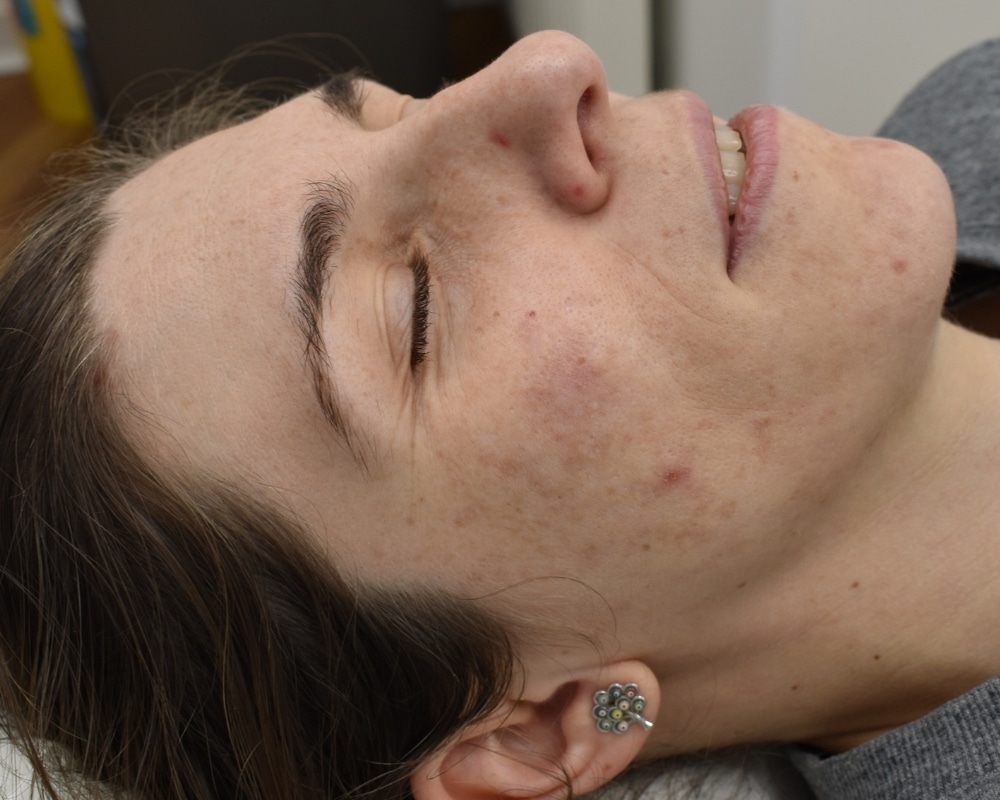
- Acne-management facials: Blue and red light combinations help reduce bacteria and inflammation, offering a smoother complexion and fewer breakouts.
- Radiance-and-texture facials: Even if you don't have acne or other skin conditions, adding Phototherapy can give your skin that luminous, healthy glow and support your facial results going forward by increasing the absorption rate of your skincare products.
There are equal studies on the benefits to the circulatory system and in improving a variety of muscular conditions.
Key Benefits
- Walk-in / Walk-out appointment (typically under 30 minutes).
- Helps reduce bacteria, inflammation and oil production in acne-prone skin
- Enhances results of facials, microneedling, peels and injectables.
- Assists in stimulating collagen production, improving skin tone & texture; visibly decreasing concerns surrounding complexion, fine lines and skin laxity. (See our phototherapy FAQs for the full list)
- Suitable for delicate areas (face, eyes, bikini line, genitals)
- No UV exposure and safe for a wide range of skin types and sensitivity levels.
- Affordable pricing with long-lasting results

What Is Phototherapy & How Does It Work
Articulated LED panels are easily adjusted for focused intensity treatments, assisting with skin rejuvenation, minimising inflamed skin concerns such as acne, wound healing and post-treatment recovery.
The Tri-Wave MD delivers clinically evidenced Targeted light energy in three wavelengths:
- Blue 415 nm
- Red 633 nm
- Near-infrared 830 nm
Each of these is absorbed by skin cells in different ways in different layers of the skin. Triwave MD's proprietary LED technology enables individual, simultaneous and sequential wavelength treatments at optimal power and depth to promote maximum cell activation, prompting a process called photobiomodulation - similar to how plants use light for growth.
These energised cells work more efficiently, leading to faster healing and visibly healthier, more radiant skin.
Biological response:
- Blue light helps reduce acne-causing bacteria.
- Red and NIR light stimulate cellular repair, collagen production and microcirculation (oxygen & nutrients).
Phototherapy for Skin health Frequently Asked Questions
Does it hurt?
No - treatments are painless, relaxing and often described as a warm glow.
How many sessions before I see results?
Many clients note immediate improvement.
Is LED Phototherapy the same as laser or IPL?
No - LED and Lasers/IPL are different treatments and work by different mechanisms.
Any side effects or contraindications?
Side effects are rare; brief redness or increased sensitivity can occur on occasion. (For a list of precautions, visit our Phototherapy FAQs page.)
How does this compare to at-home LED masks?
Clinic-grade devices like Tri-Wave MD offer higher, more uniform irradiance with more reliable outcomes.
Am I suitable for treatment?
Typically, yes, there are very few contraindications for Phototherapy; however, our specialists will guide you through any contraindications during your consultation.