What is an Epidermoid cyst?
Also known as: epidermoid cyst, infundibular cyst; commonly but inaccurately called a "sebaceous cyst".
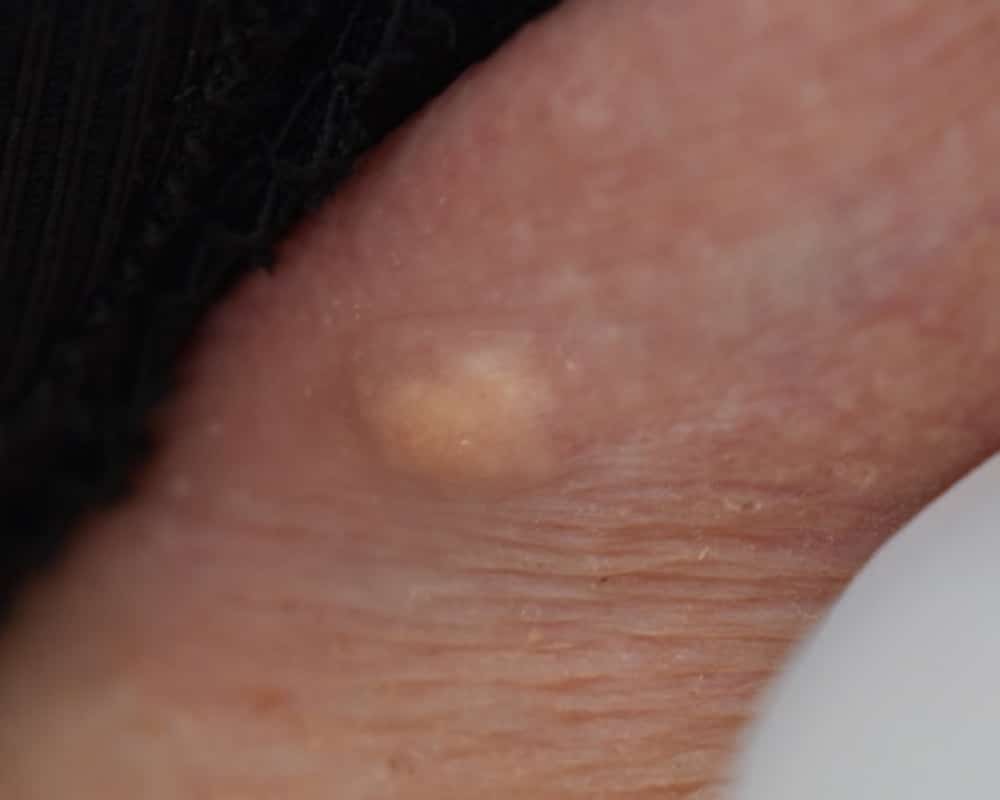
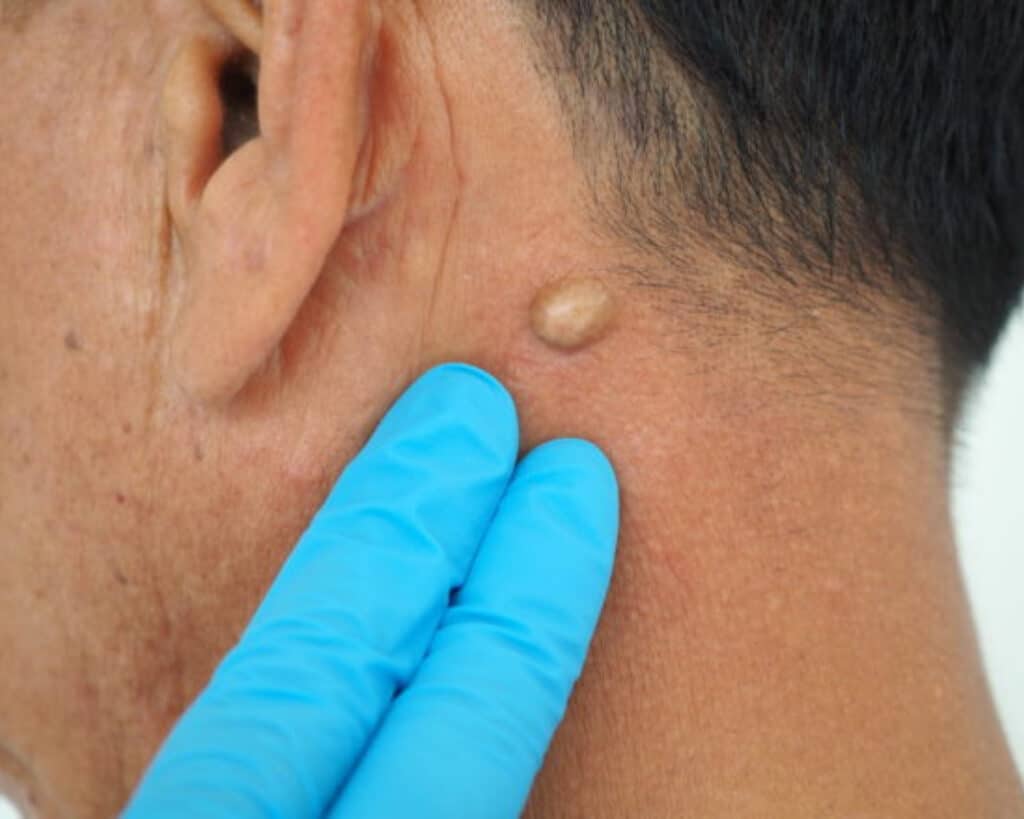
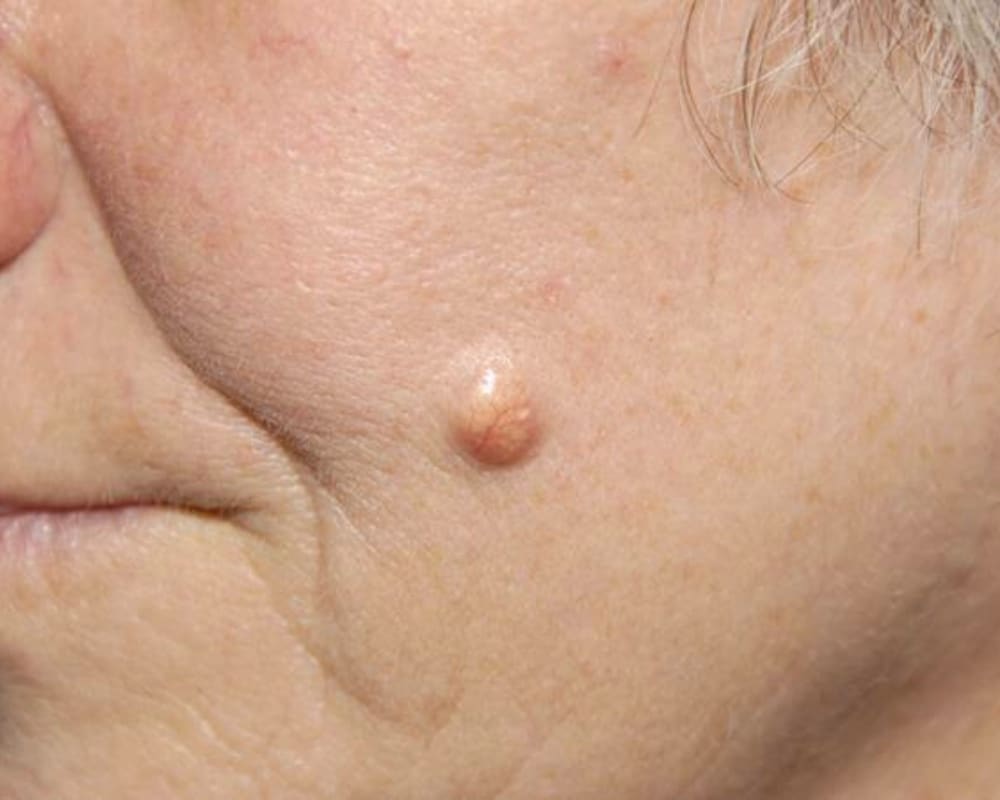
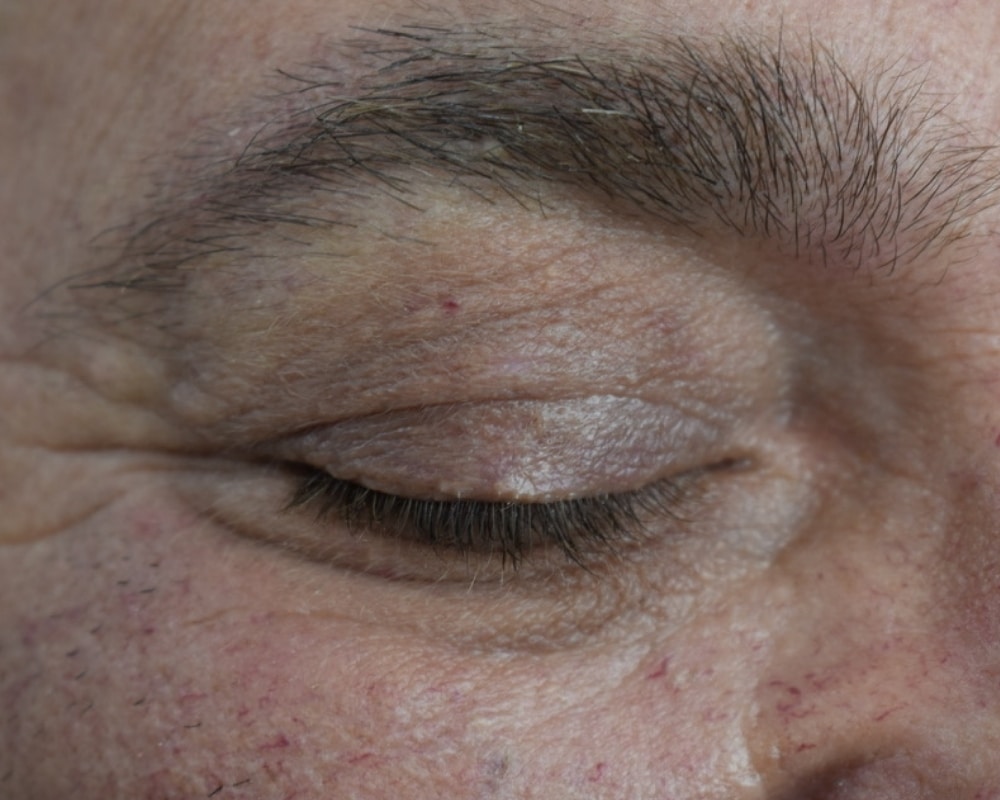
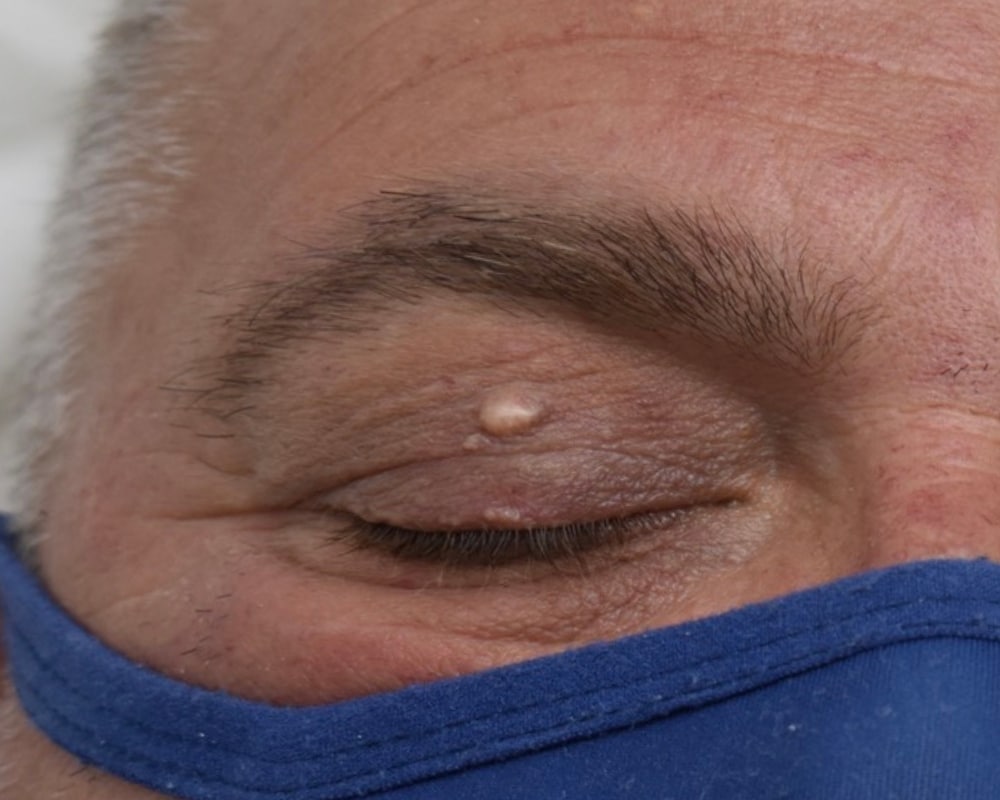
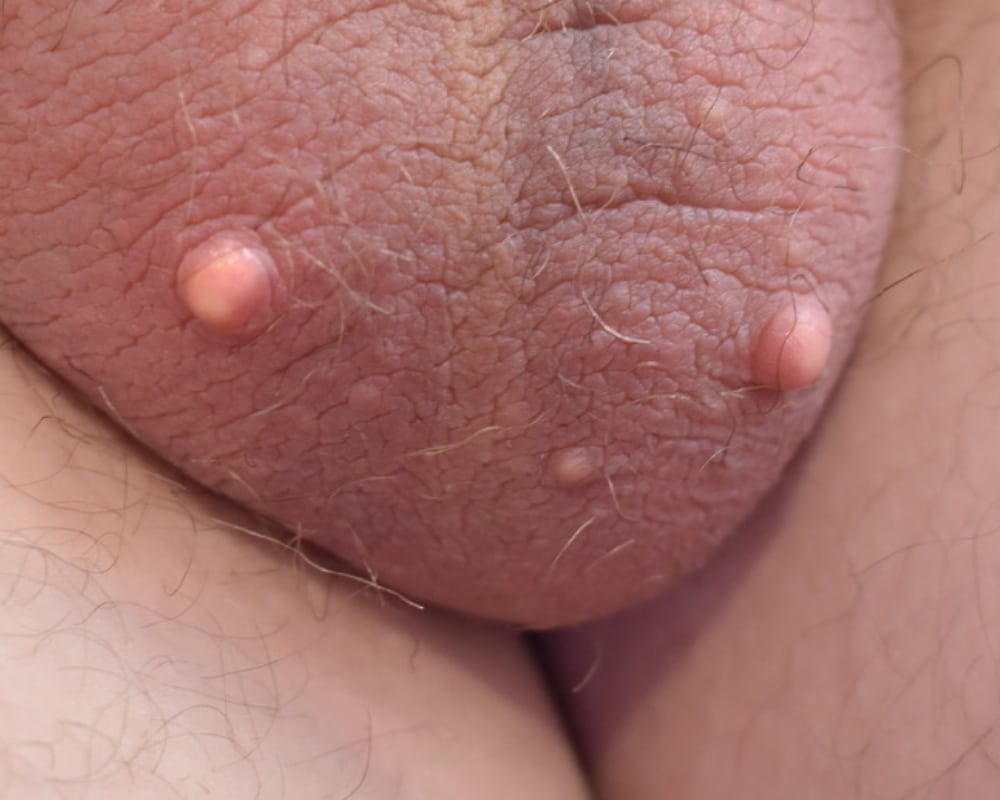
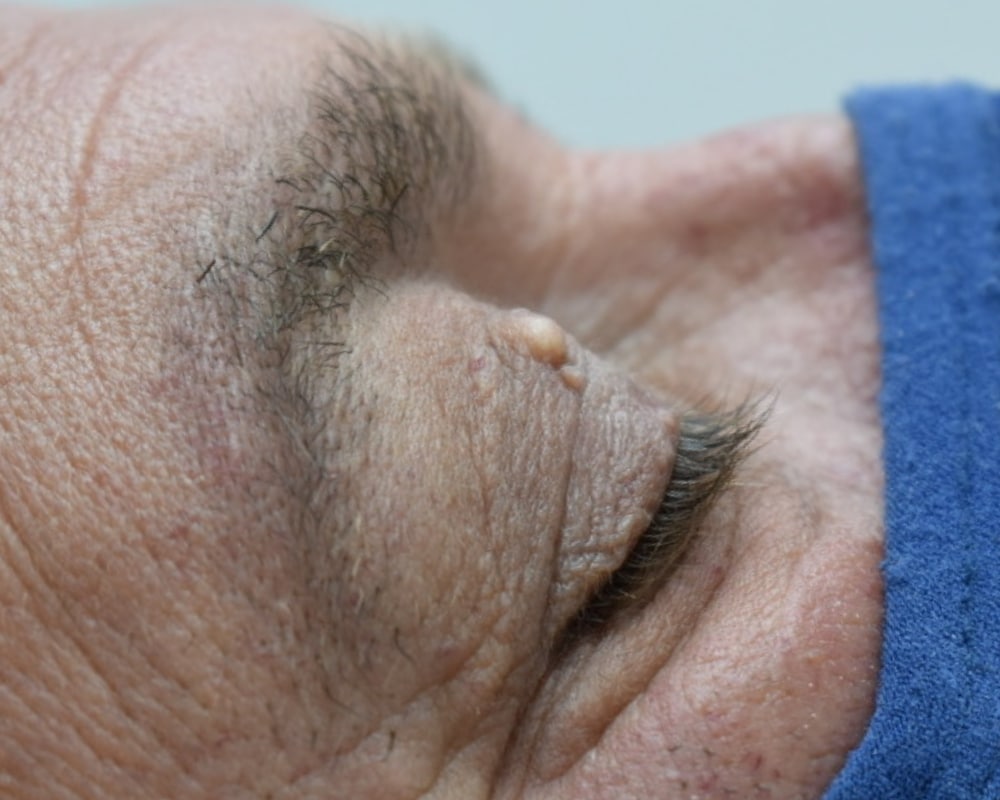
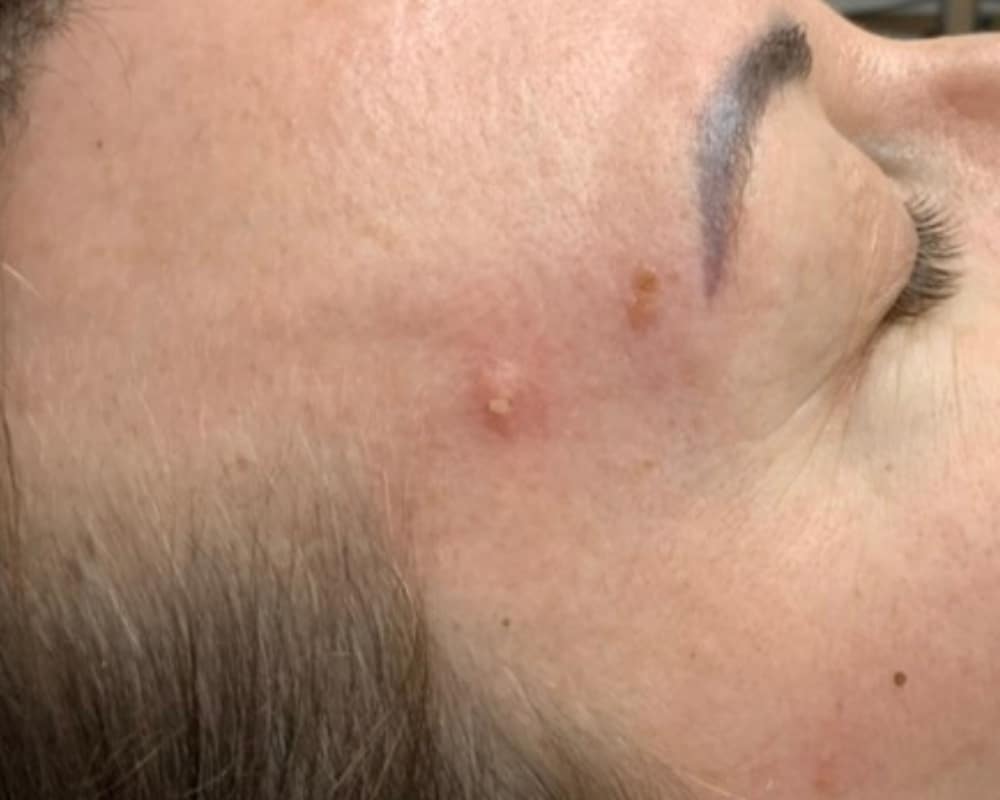
An epidermoid cyst is a closed sac under the skin containing keratin. It commonly appears as a round, smooth lump under the skin that moves slightly beneath the surface. There may sometimes be a central pore (punctum). They are usually painless unless infected or inflamed. (then potentially an interactive accordion or similar for best conversion impact).
Key features
- A lump beneath the skin that is slow-growing, smooth and typically non-painful.
- May have a visible central pore (punctum) on the surface.
- Flesh-coloured or slightly yellowish in many cases - sometimes pigmented in darker skin types.
- Moves slightly under the skin when touched (i.e., it is not fixed to deeper tissue).
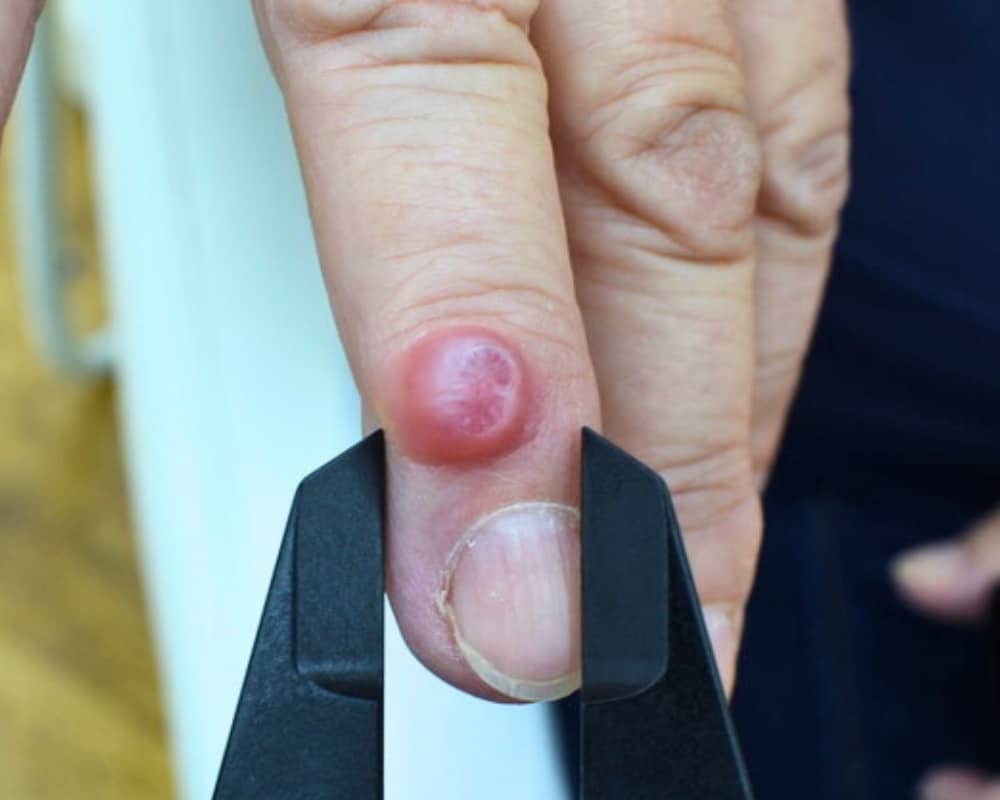
- If inflamed: redness, tenderness, swelling, and possible discharge of foul-smelling, cheese-like material.
Where on the body?
This lesion can appear almost anywhere on the skin, but common sites include areas that often have hair follicles or are subject to friction/trauma:
- Face and neck
- Scalp
- Upper torso (chest and back)
- Occasionally, arms or buttocks
Contributing factors
The cyst forms when epidermal cells (or hair-follicle lining cells) become embedded beneath the skin surface and continue to produce keratin inside a sac. Prior skin trauma, damage to a hair-follicle or blockage of a follicle may act as a trigger.
Rarely, multiple cysts may be linked to genetic syndromes (for example, in very few cases). These are exceptional. Frequent irritation (e.g., shaving, friction under clothing) may increase the chance of inflammation.
Prevalence
Epidermoid cysts are very common benign skin lesions. Many adults will experience at least one during their lifetime. Most appear in young to middle-aged adults, with a somewhat higher incidence in men than women.
Treatments
At Cambridge Contour Clinic, we specialise in benign skin-lesion assessment and removal/treatment within a non-surgical aesthetic environment. Our approach emphasises informed choice, safe procedures, transparent after-care, and follow-up.
When it comes to epidermoid cysts (depending on type, size, location, depth, phase of growth, and whether there are functional issues), we may discuss suitability for the following treatments:
Lancing/drainage - a minor incision and drainage may relieve symptoms quickly. Note: drainage removes cyst contents but may leave the cyst lining (wall), so recurrence may potentially occur. This is typically a symptom-relief option rather than a definitive cure.

Micro-Plasma Removal
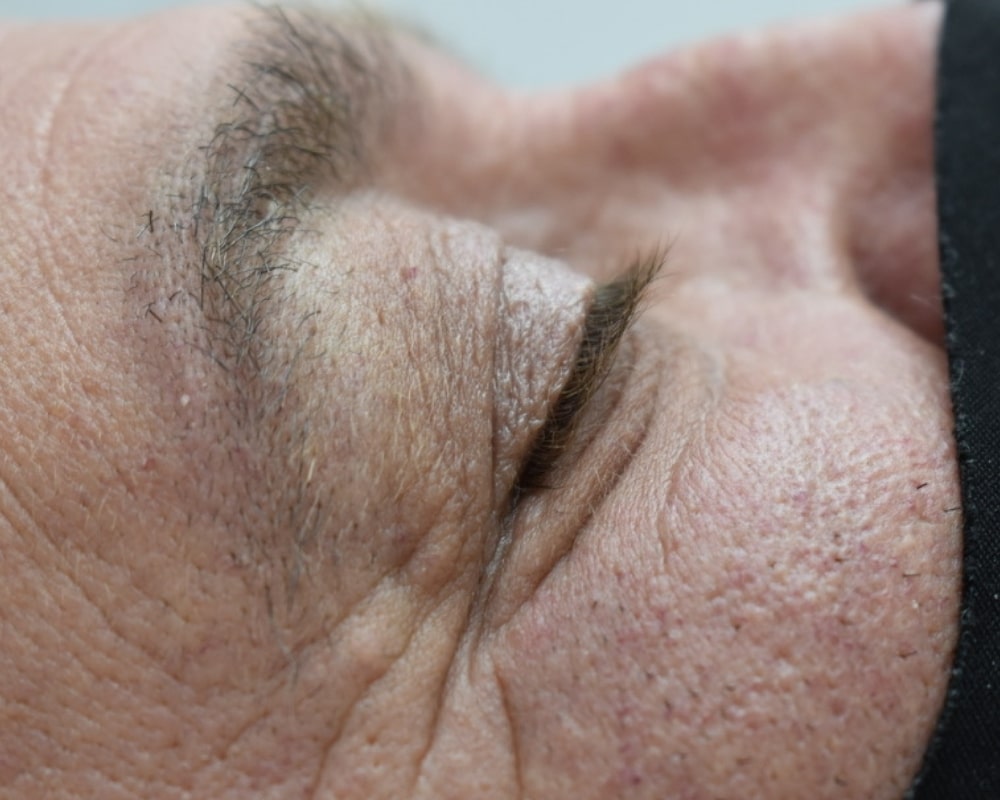
We use a surgical-grade micro-plasma device, which creates a precise plasma arc (~0.02 mm accuracy) to vaporise the lesion tissue. This is sometimes used to break the skin in a similar fashion to lancing.
Cryotherapy
Using a fine jet of N₂O under high pressure, we freeze the lesion with millimetre precision.
Which is most suitable for you is best discussed within a consultation with one of our specialists, where they will discuss your treatment options, check you are able to have said treatments (i.e there are no health contraindications). They will also discuss healing and success rates, check that you are happy with any potential risks and address any necessary pre- and post-care, treatment plans and pricing.
Other Potential Treatment Options
Here at Cambridge Contour Clinic, we focus on minimally invasive techniques to optimise healing and cosmetic outcomes. However, we believe in transparency to help our clients make an informed choice on how they would like to proceed. Therefore, if we are aware of other recognised treatment methods that may be suitable for you, we will discuss these during your consultation.

Prevention
Because the entrapment of cells beneath the skin) It is often spontaneous; there is no guaranteed way to prevent every epidermoid cyst. However, the following steps may reduce risk of irritation or inflammation:
- Maintain healthy skin condition (gentle skin care, avoiding harsh trauma).
- If you have acne or inflamed follicles, seek effective management early (because repeated follicle damage may increase risk).
- Close monitoring: if you notice a new lump, have it assessed sooner rather than waiting for growth or infection.
Epidermoid Cyst Frequently Asked Questions
Will it treatment leave a scar?
Any removal has the potential to leave a scar of some kind; we aim to minimise this and discuss the expected appearance during your consultation.
Can it come back?
If the cyst wall isn’t removed, recurrence is possible; complete excision has the lowest recurrence risk.
Can I pop it?
No - squeezing/popping increases infection risk and scarring. Seek professional care.