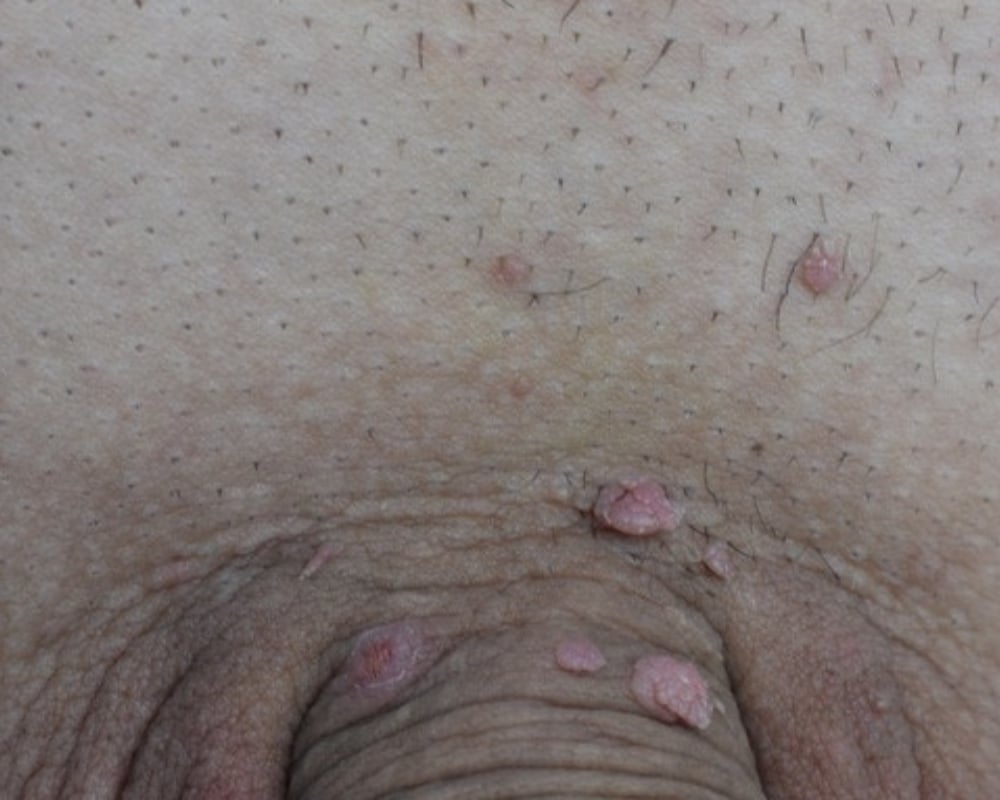
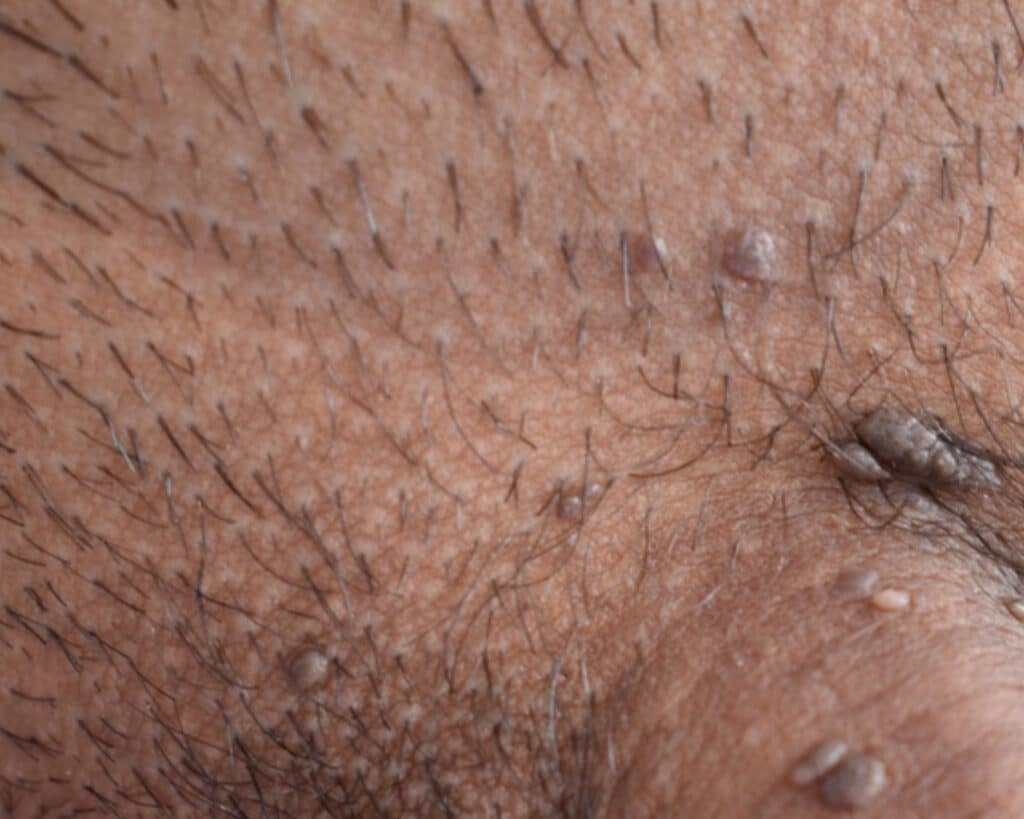
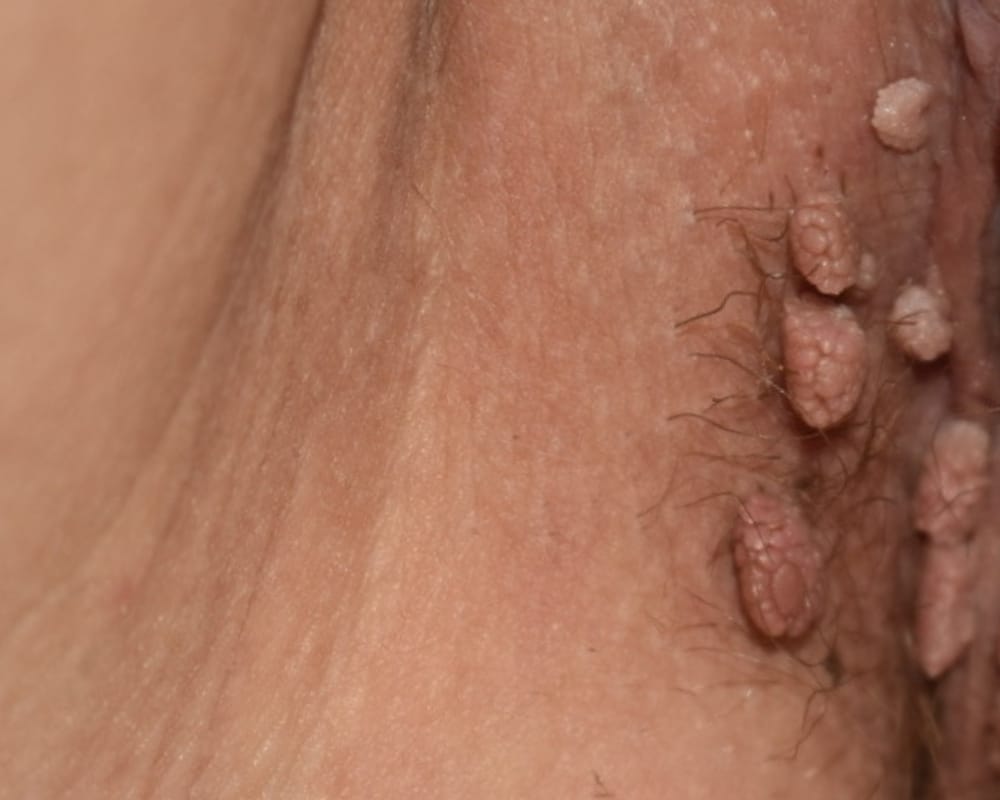
What are they & how do they present?
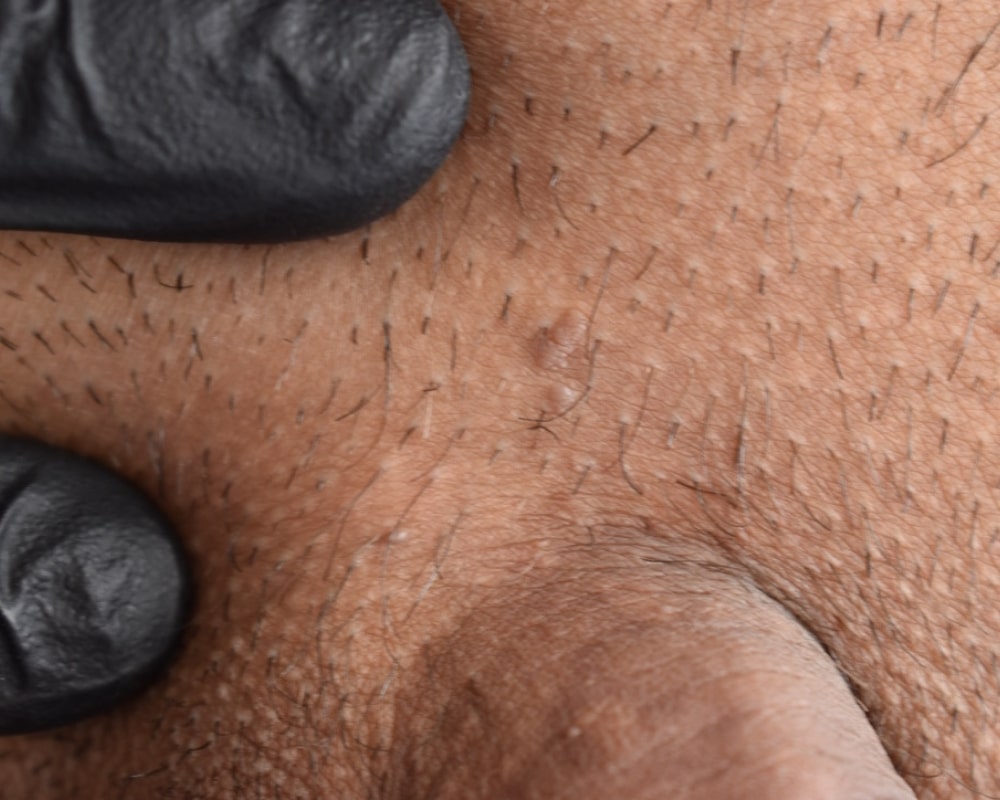
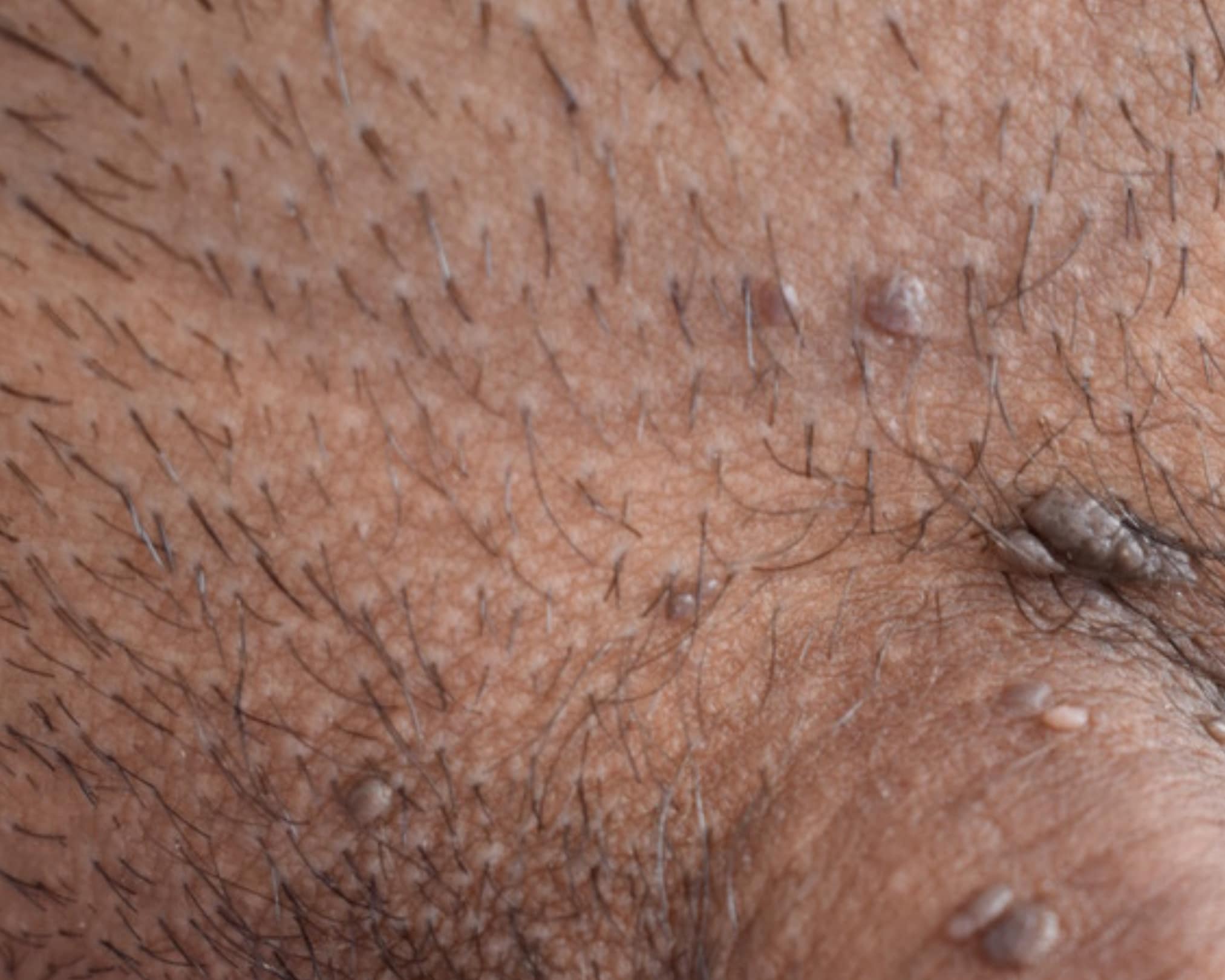
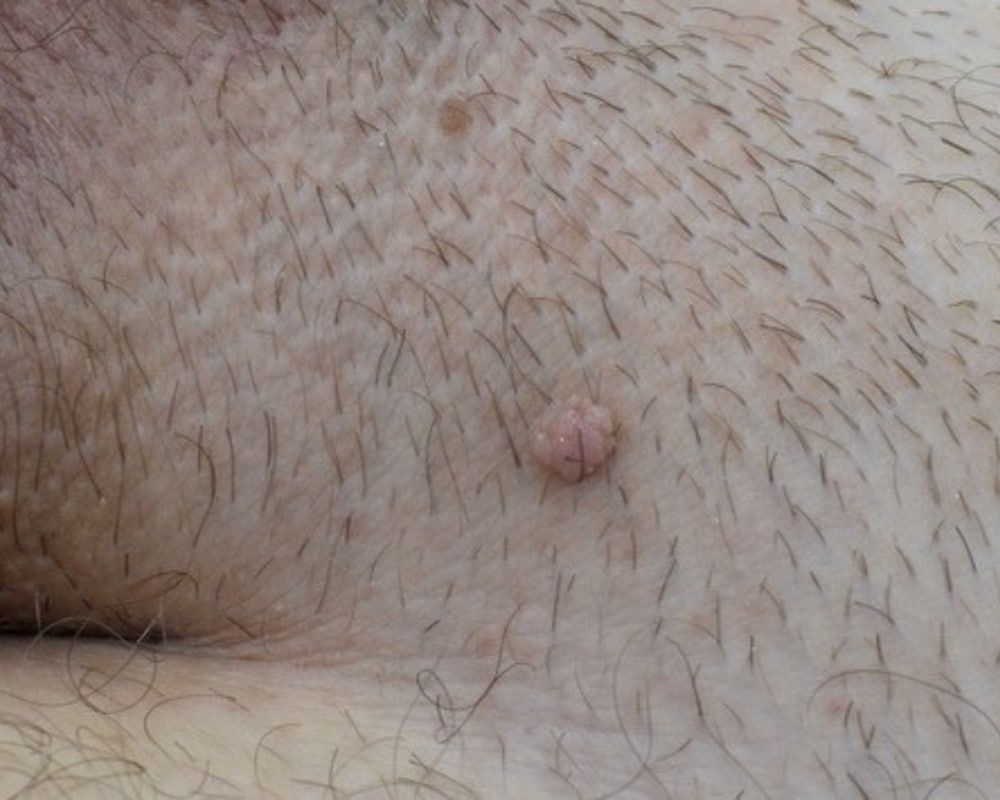
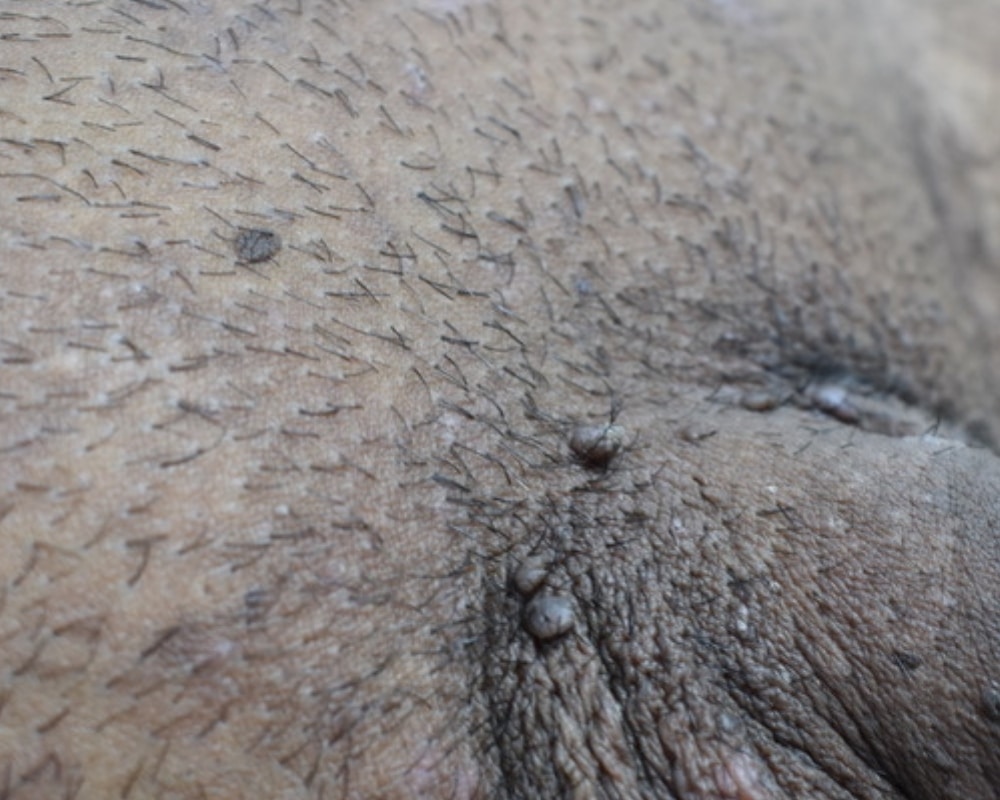
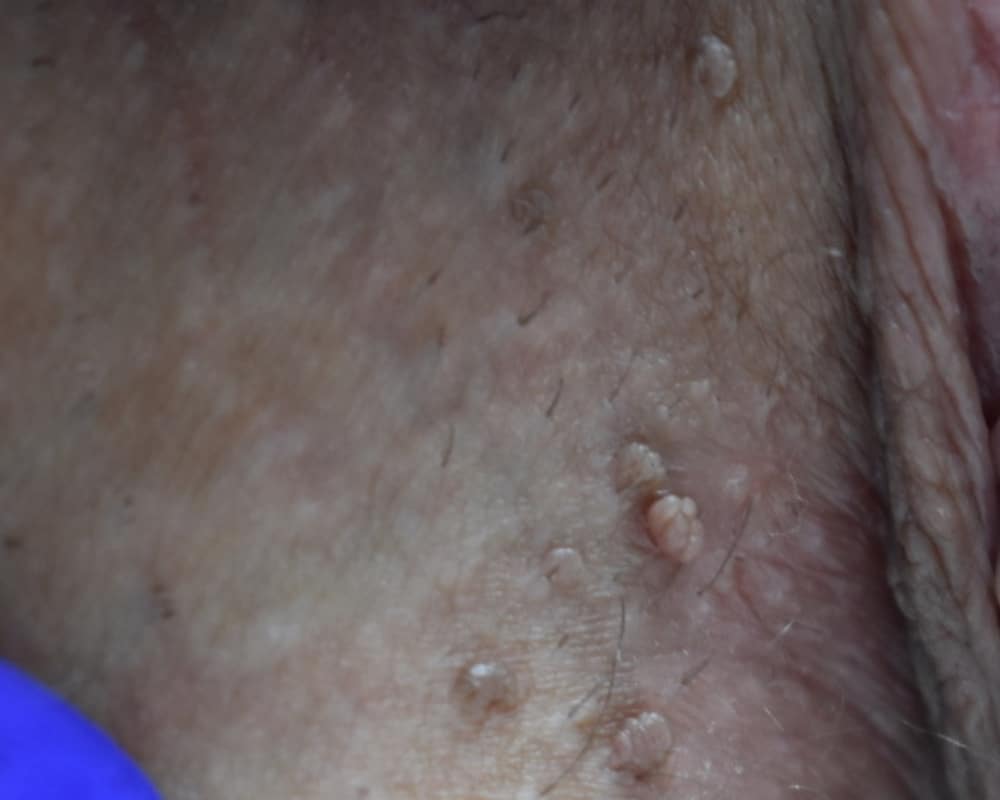
Genital warts are small, fleshy growths that develop on the skin and mucous membranes of the genital and anal region. They are caused by infection with certain types of the human papillomavirus (HPV), most commonly types 6 and 11 and often develop weeks, months or even years after initial infection.
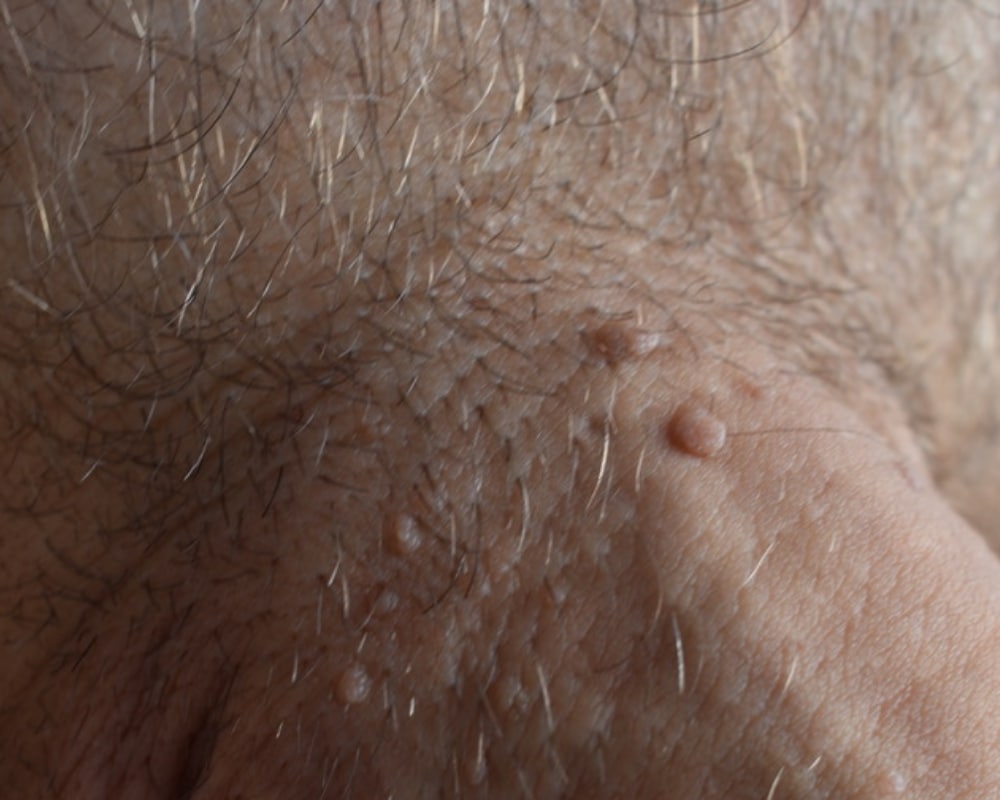
Key Features
- Small bumps or lumps, sometimes flat-topped but slightly raised above the skin;
- Flesh-coloured, pink, grey or slightly brown
- Can be soft or firm sometimes
- Occurring singly or in clusters; clustering may resemble a cauliflower shape
- May cause itching, irritation, or bleeding, but often are symptom-free
Where on the body
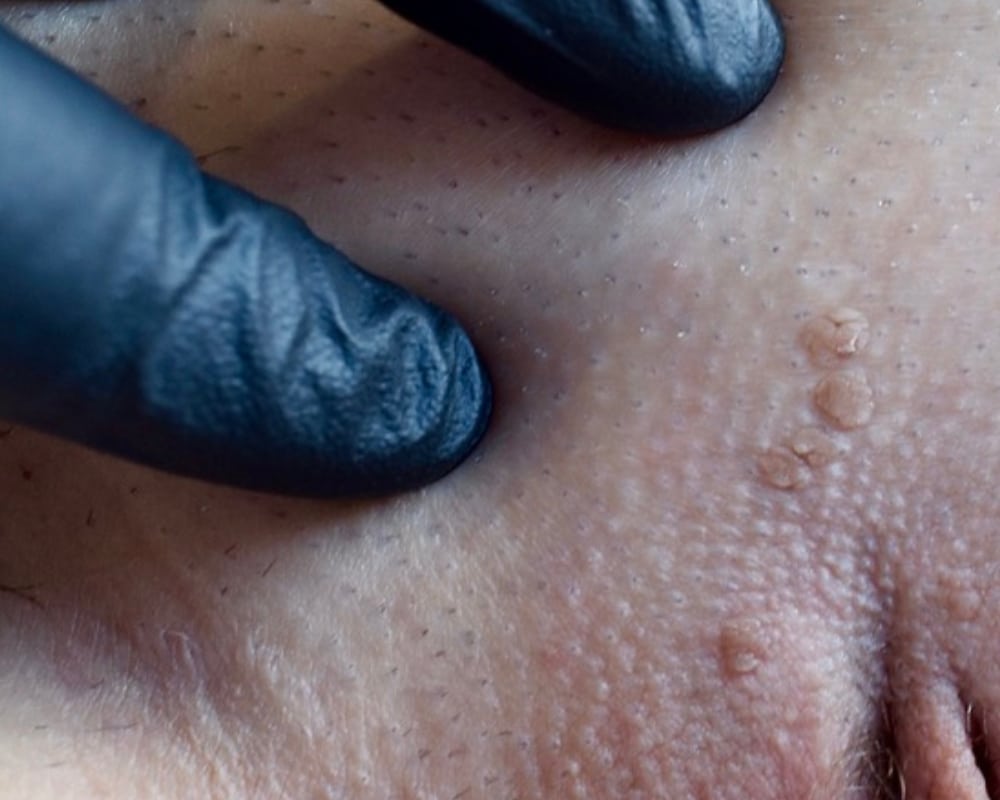
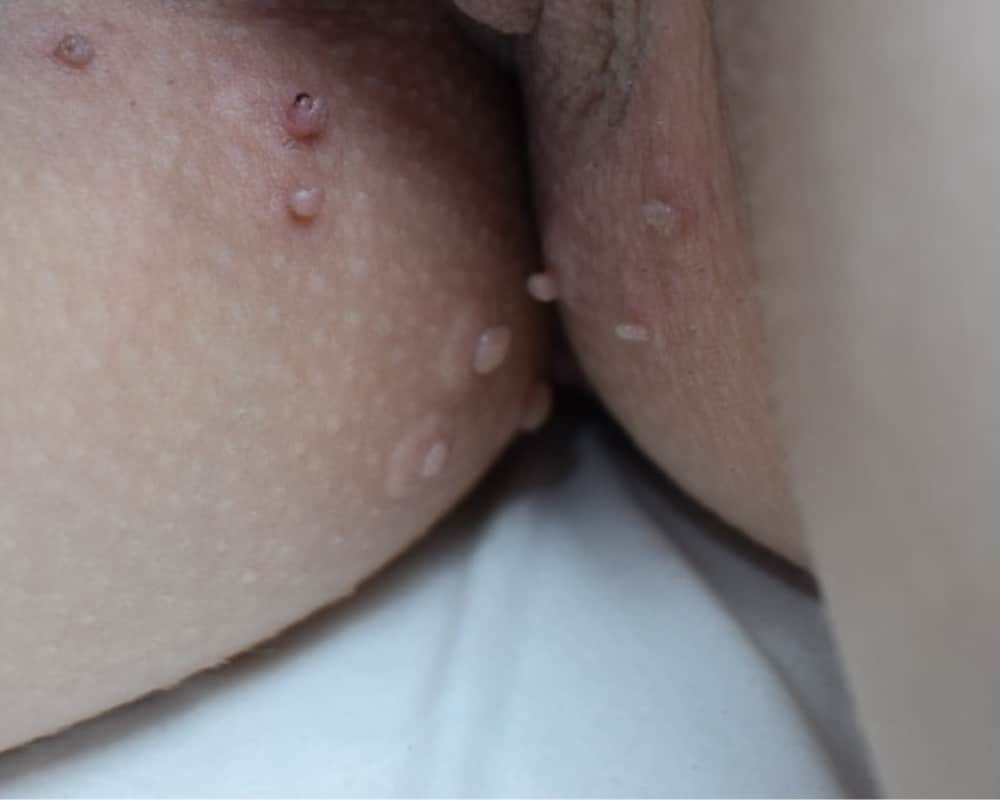
Genital warts can occur anywhere the virus has entered into contact via skin-to-skin or mucosal contact. For example:
- On or around the penis (including foreskin)
- Vulva
- Vaginal opening or internal vaginal wall
- On the skin between the genitals and anus (perineum) or groin folds
- Around the anus or perianal skin
- Rarely inside the urethral opening or less common mucous sites

Contributing Factors
- Having multiple sexual partners or new sexual partner(s) increases the risk of exposure to HPV.
- Not using barrier protection (condoms, dental dams) reduces protection (though it does not fully remove risk because HPV can spread via skin not covered by condoms).
- Previous HPV vaccination: in the UK school programme, the HPV vaccine covers many wart-causing as well as cancer-causing types; those vaccinated have a lower risk of developing genital warts.
- Smoking is associated with slower clearance of warts and may increase the risk of persistence.
- A weakened immune system (for example, pregnancy, HIV, immunocompromise) may increase the risk of visible lesion development.

Prevalence
It is estimated that many people carry HPV without noticing warts (or ever developing them). Because genital warts may resolve on their own, the exact prevalence is harder to define, but they are one of the more common sexually transmitted conditions seen in sexual health clinics.
In England in 2019, there were approximately 50,691 newly diagnosed cases of genital warts.
According to sexual health statistics in the South East of England, diagnoses of genital warts decreased by about 50 % from 2019 to 2023 in heterosexual men and women.
While visible warts are commonly reported, many HPV infections do not result in visible genital warts.
Treatment Options
At Cambridge Contour Clinic for treatment of warts and viral/HPV related lesions, we typically offer:
Cryotherapy
Using a fine jet of N₂O under high pressure, we freeze the lesion with millimetre precision.
Whether this is most suitable for you is best discussed within a consultation with one of our specialists, where they will discuss your treatment options, check you are able to have said treatments (i.e there are no health contraindications). They will also discuss healing and success rates, check that you are happy with any potential risks and address any necessary pre-care, post-care, treatment plans and pricing.
Other Potential Treatment Options
Here at Cambridge Contour Clinic, we focus on minimally invasive techniques to optimise healing and cosmetic outcomes. However, we believe in transparency to help our clients make an informed choice on how they would like to proceed. Therefore, if we are aware of other recognised treatment methods that may be suitable for you, we will discuss these during your consultation.
How to prevent warts
While they can affect anyone, simple steps may reduce the chance of developing or spreading genital warts:
- Use barrier protection (condoms, dental dams) consistently during sexual activity. While they do not fully eliminate risk, they reduce skin-to-skin transmission.
- Ensure you and your sexual partner(s) are aware of HPV vaccination status. The UK programme protects against common wart-causing and cancer-causing HPV types.
- Avoid sharing sex toys or ensure they are cleaned and covered with a new condom each use, to reduce skin contact transmission.
- Maintain healthy immune function: stop smoking, manage chronic illness, healthy diet & lifestyle.
- Regular sexual health check-ups if you are sexually active, particularly if you have new or multiple partners.
When to see a specialist
You may want to seek specialist assessment if you notice:
- One or more new lumps or bumps in the genital or anal region, especially if persistent.
- Bleeding, pain, discharge, or a change in urinary stream associated with the lesion.
- Rapid growth, change in colour, or any unusual features of the lesion (to exclude other conditions).
- You are pregnant or planning pregnancy and have been diagnosed with genital warts (they may grow faster during pregnancy).
- You have multiple recurrent warts despite previous treatment, or you have a weakened immune system.
- For cosmetic reasons and peace of mind.
At Cambridge Contour Clinic, we provide expert assessment, and if we believe a specialist sexual-health or dermatology referral is needed, we will advise you accordingly.
Genital Warts Frequently Asked Questions
Are genital warts serious?
Genital warts themselves are benign - they do not cause cancer directly (unlike some other HPV types). However, they indicate HPV infection, so an assessment is recommended.
Will the warts always come back?
Warts may recur because the underlying HPV may remain in the skin. We will guide you with after advice to minimise this.
Is the treatment painful?
Some discomfort, redness or irritation is normal (for example, after freezing or treatment), but we take care to minimise discomfort and support your recovery.
Do I need to tell my partner?
If you have genital warts, it is a good idea for you and your sexual partners to have a sexual health check-up. It is not a matter of blame - HPV is common and often dormant.
What about pregnancy?
Some treatments may not be suitable in pregnancy; warts may grow faster during pregnancy. Always inform your practitioner if you are pregnant or planning to become pregnant.
Can I just ignore them and wait?
In some cases, small warts may clear on their own. However, if they cause discomfort, grow in size, or for peace of mind, it’s not uncommon for people to seek assessment.