

What are Lentigines?
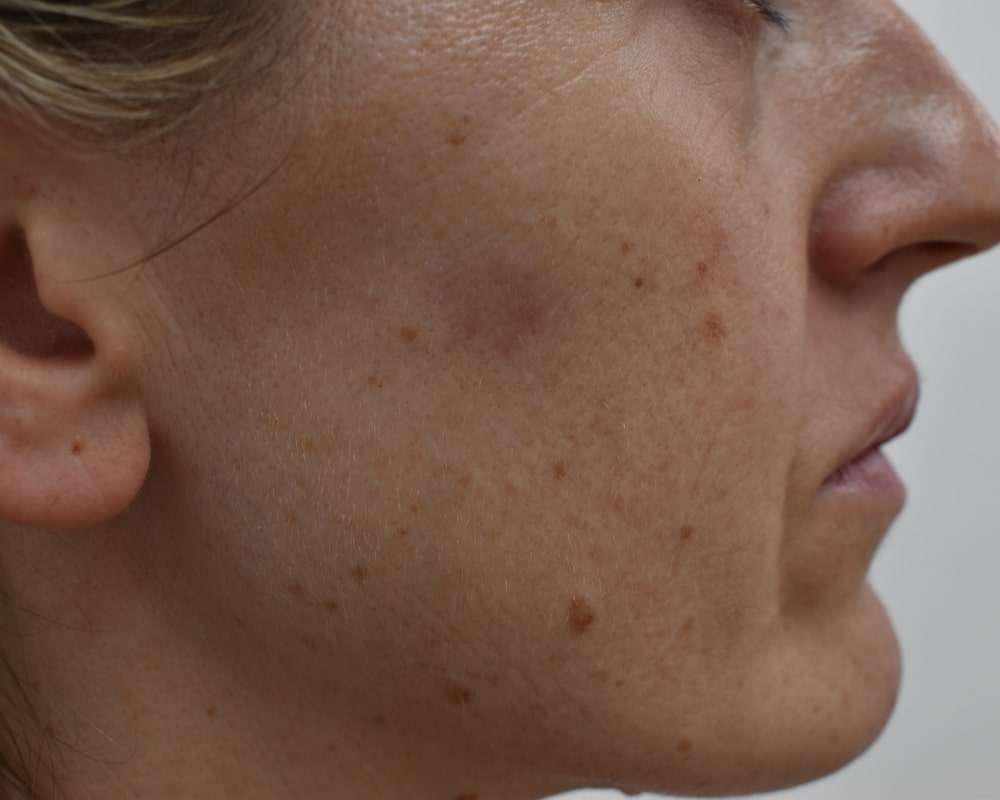
Lentigines are benign (non-cancerous) flat pigmented spots in which there is an increased number of melanocytes (the pigment-producing cells) or an increased concentration of melanin in the basal layer of the skin.
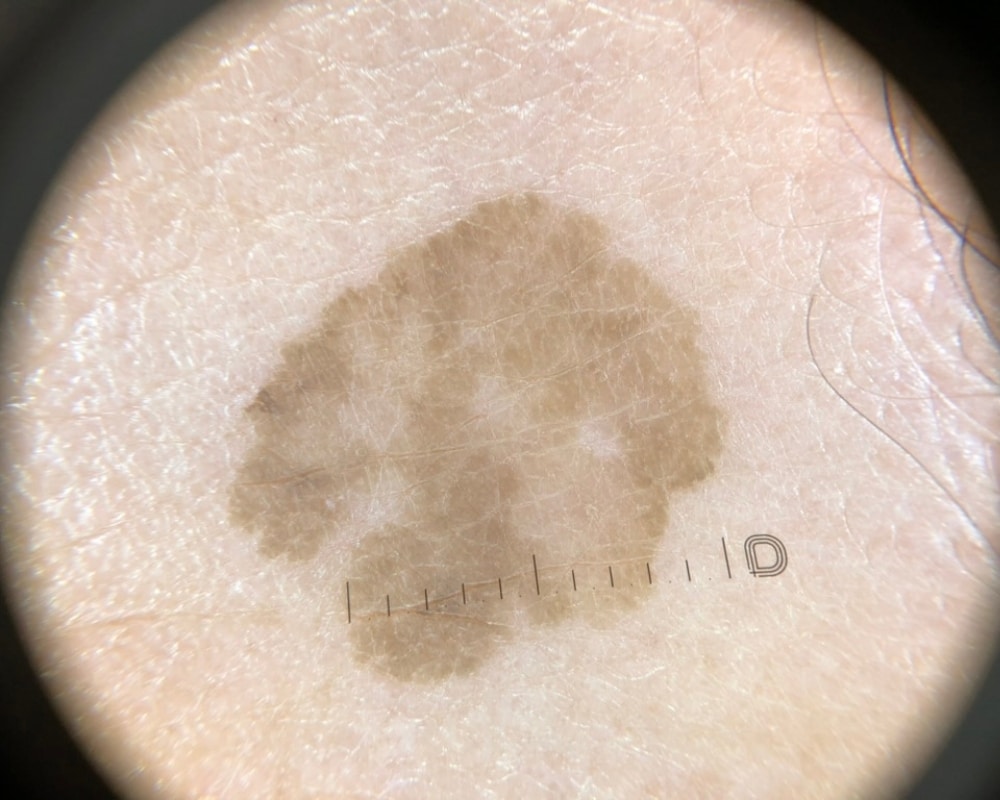
Typically, they appear as well-defined macules (flat spots), a few millimetres up to several centimetres in diameter. Their colour ranges from light brown to dark brown or even black, depending on skin tone and the extent of pigment accumulation.
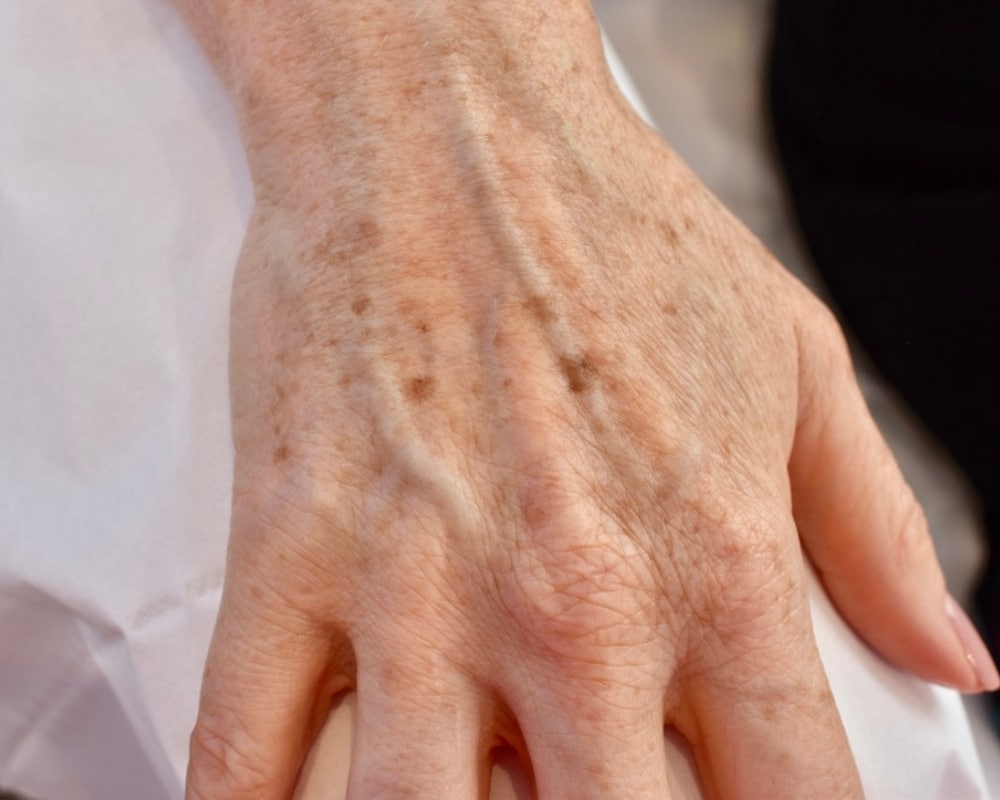
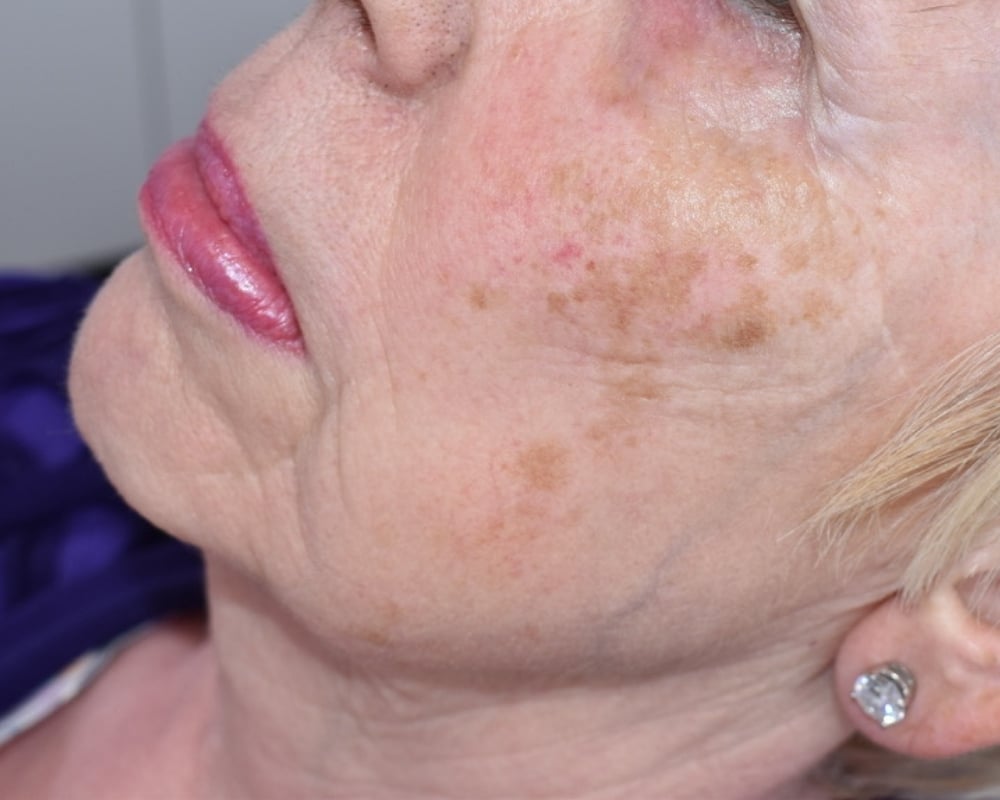
They are very common, especially among older adults and those with significant sun exposure. For example, one summary states that solar lentigines occur on sun-exposed sites, particularly the face or backs of the hands.
Importantly, while they may appear numerous and vary in size, they do not themselves indicate skin cancer.
Key Identifying Features
- Flat patch rather than a raised bump
- Colour: light brown → dark brown/black depending on skin tone
- Round or oval with well-defined edges
- Size ranges from a few millimetres to several centimetres
- Often increases in number with age or continued sun exposure
- Solar Lentigo: The most common form, caused by sun/UV exposure over time
- Simple Lentigo: Benign pigmented macules not related to UV exposure
- Ink-spot Lentigo: Irregular dark macules, usually after acute sunburn
- Lentigo Maligna: Not a benign condition - an early form of melanoma

Where on the body do they appear?
Most commonly on sun-exposed areas:
- Face and temples
- Backs of hands
- Forearms
- Chest and shoulders
- Shins

Contributing Factors
- The primary cause is Ultraviolet (UV) radiation from sunlight (or artificial sources such as sunbeds.)
- Repeated sun exposure over many years, particularly in older age.
- Having fair skin, a history of sunburns, and a large number of moles or freckles may further increase risk.
- Genetic factors play a role in how many lentigines someone develops.

Prevalence
Lentigines are very common, especially in adults over 40 and those with significant lifetime sun exposure. Many people develop multiple lesions across exposed skin areas over time.

Treatment Options
At Cambridge Contour Clinic, we offer the following professional medical-grade treatment options for Lentigines:
Cryotherapy
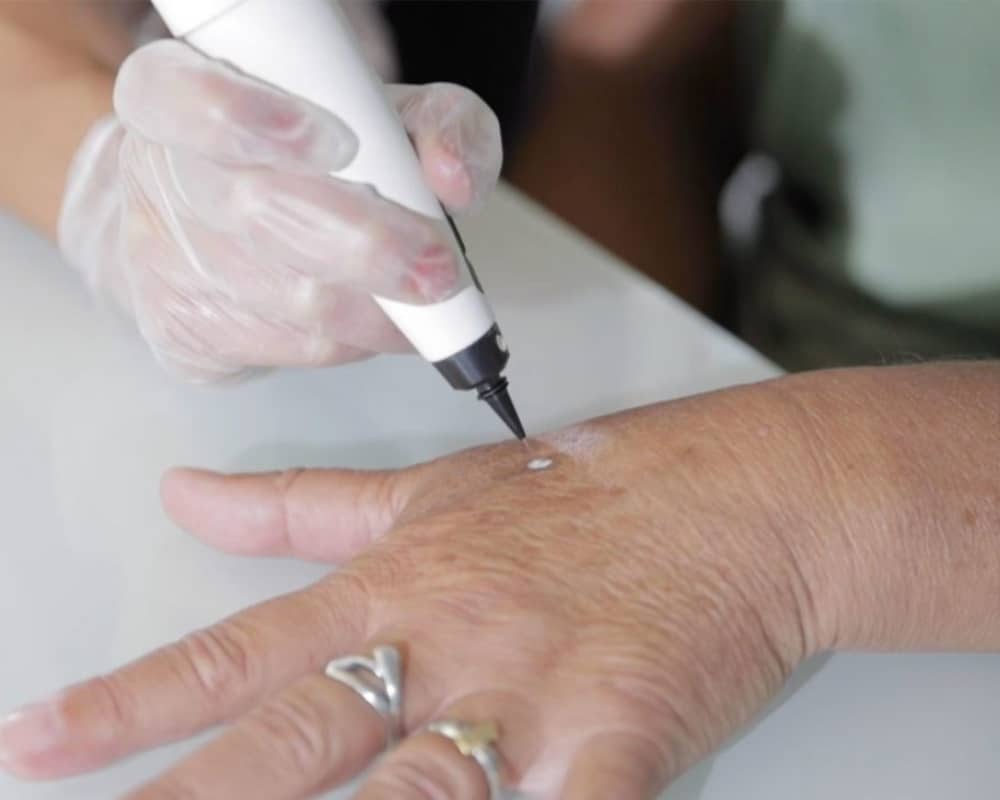
Using a fine jet of N₂O under high pressure, we freeze the lesion with millimetre precision.
Chemical peels (e.g., medium-depth peeling agents) - to induce a controlled injury, which exfoliates the damaged, pigmented top layers of skin and promotes the growth of new, healthier skin
Other potential treatment options
Here at Cambridge Contour Clinic, we focus on minimally invasive techniques to optimise healing and cosmetic outcomes. However, we believe in transparency to help our clients make an informed choice on how they would like to proceed. Therefore, if we are aware of other recognised treatment methods that may be suitable for you, we will discuss these during your consultation.

Micro-Plasma Removal
In certain cases, microplasma may be suggested. We use a surgical-grade micro-plasma device, which creates a precise plasma arc (~0.02 mm accuracy) to vaporise the lesion tissue.
Which is most suitable for you is best discussed within a consultation with one of our specialist where they will discuss your treatment options, check you are able to have said treatments (i.e there are no health contraindications). They will also discuss healing and success rates, check that you are happy with any potential risks and address any necessary pre- and post-care, treatment plans and pricing.

Prevention
While most lentigines are harmless, protecting the skin can help prevent new ones from forming:
- Minimise UV exposure: avoid prolonged sun exposure, especially midday hours; seek shade, wear a wide-brimmed hat and UV-protective sunglasses.
- Use broad-spectrum sunscreen (SPF 30+ or higher) on exposed skin, reapply every 2–3 hours when outdoors, and after swimming or sweating.
- Wear sun-protective clothing, especially for counselling. Dermatologists' clothing is more reliably protective than sunscreen alone.
- Avoid sunbeds and artificial tanning.
- Monthly self-check of pigmented spots: note any change in size/colour/shape and seek medical advice if anything is new or changing.
- Maintain good overall skin-health: hydration, avoiding smoking, minimising other skin-aggravating behaviours - all help skin resilience.
When to seek a specialist
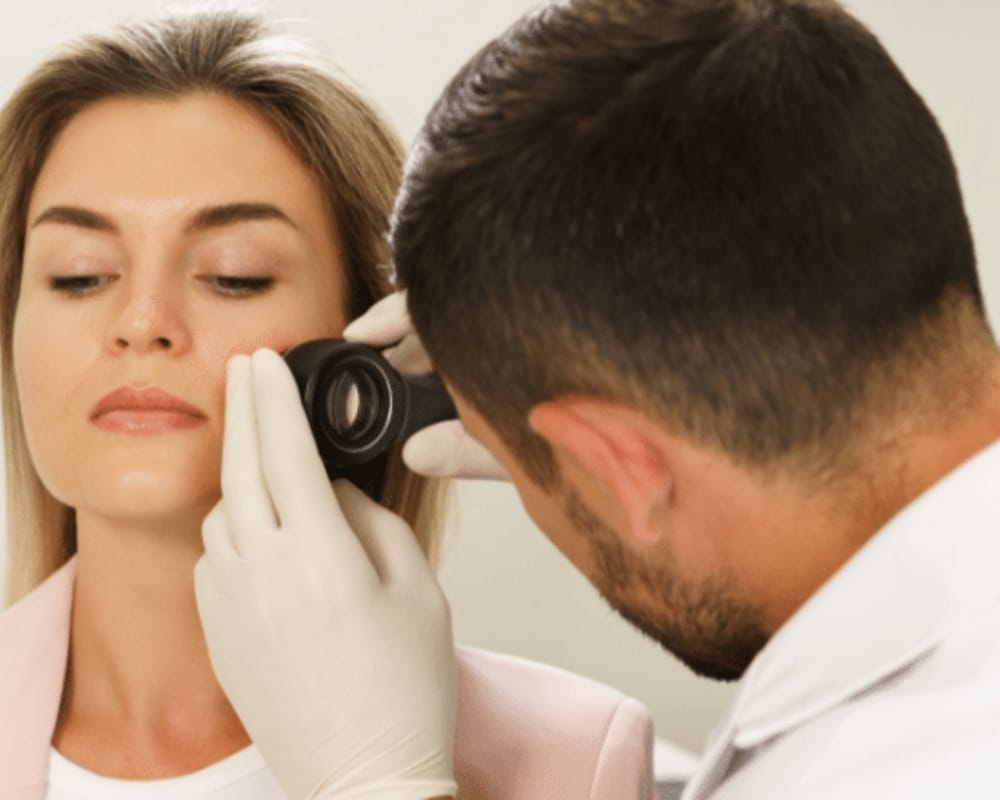
While lentigines themselves are benign, caution is warranted if you notice any of the following changes:
- A spot changes in size, shape, colour, or becomes raised/irregular.
- A new pigmented spot appears that looks different from your other spots.
- Any lesion that bleeds, itches persistently, or has multiple colours or irregular borders.
- Because lentigines can sometimes resemble or obscure pre-cancerous or cancerous lesions (such as Lentigo Maligna), assessment is recommended if there is any doubt.
Lentigines Frequently Asked Questions
Are lentigines dangerous?
No, they are benign pigmented spots, but changes may warrant assessment.
Will new ones appear?
Possibly, especially if sun exposure continues. Prevention with sun protection is key.
Is treatment covered by the NHS?
Generally, benign lentigines are considered cosmetic and not routinely treated on the NHS; private clinics (like ours) offer tailored solutions.
Is complete clearance guaranteed?
Not necessarily, realistic expectations are needed; some lesions may lighten rather than disappear.