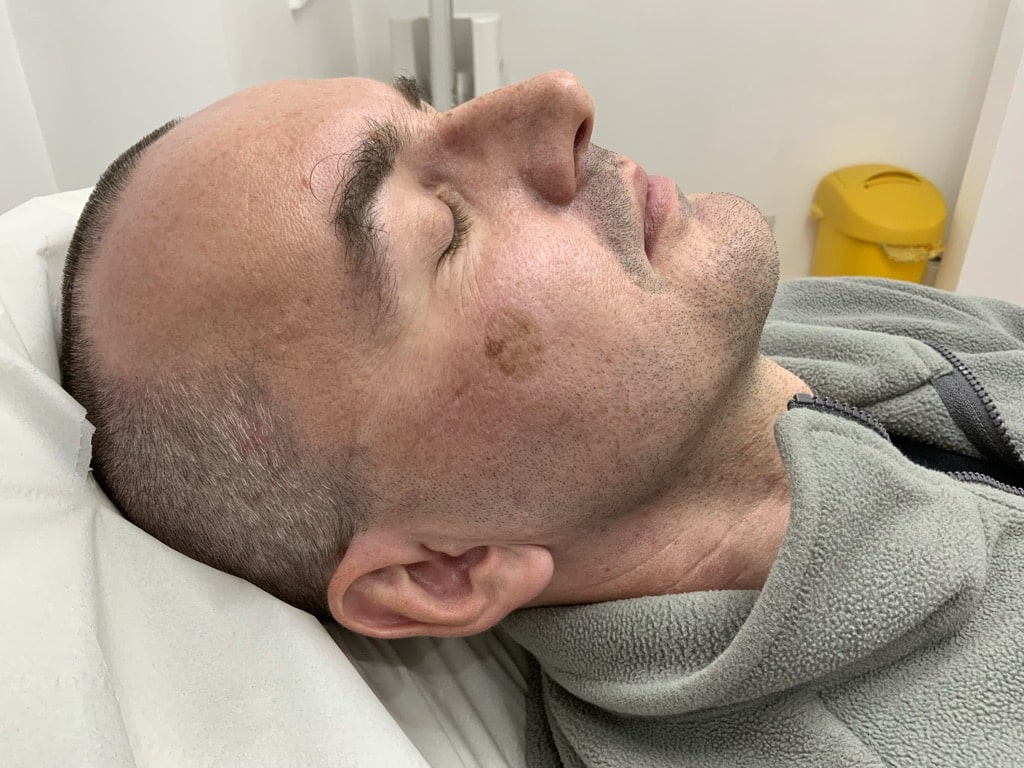
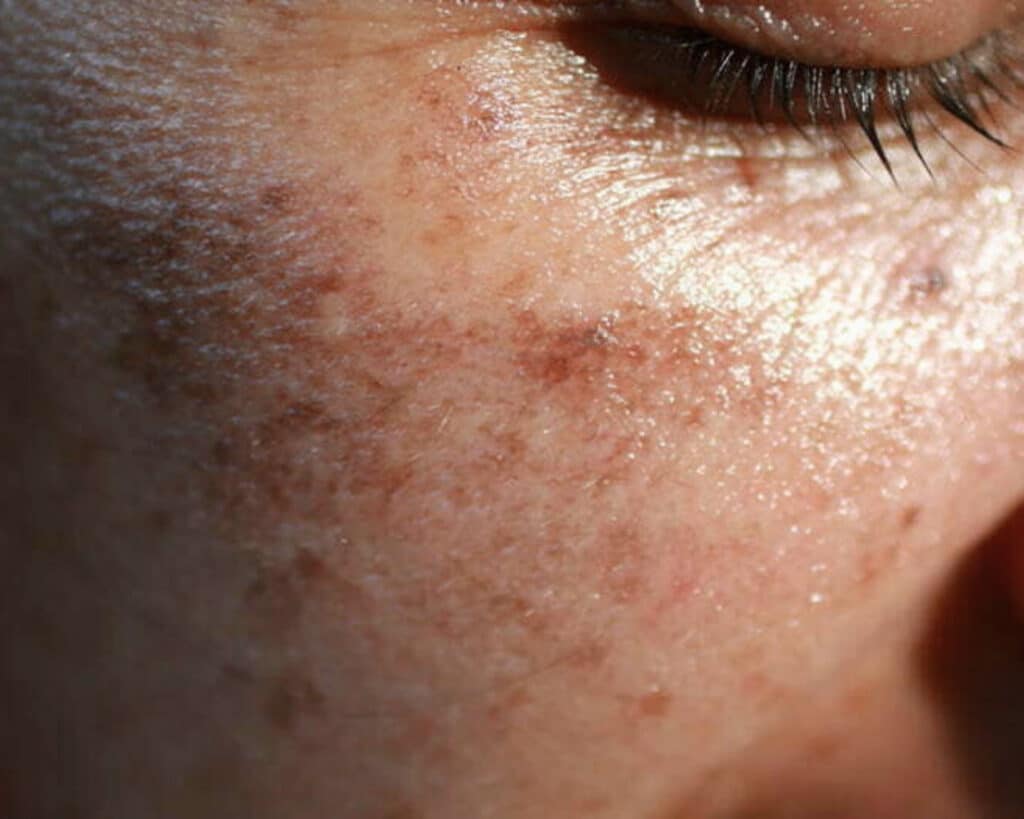


What is Pigmentation, and how does it present?
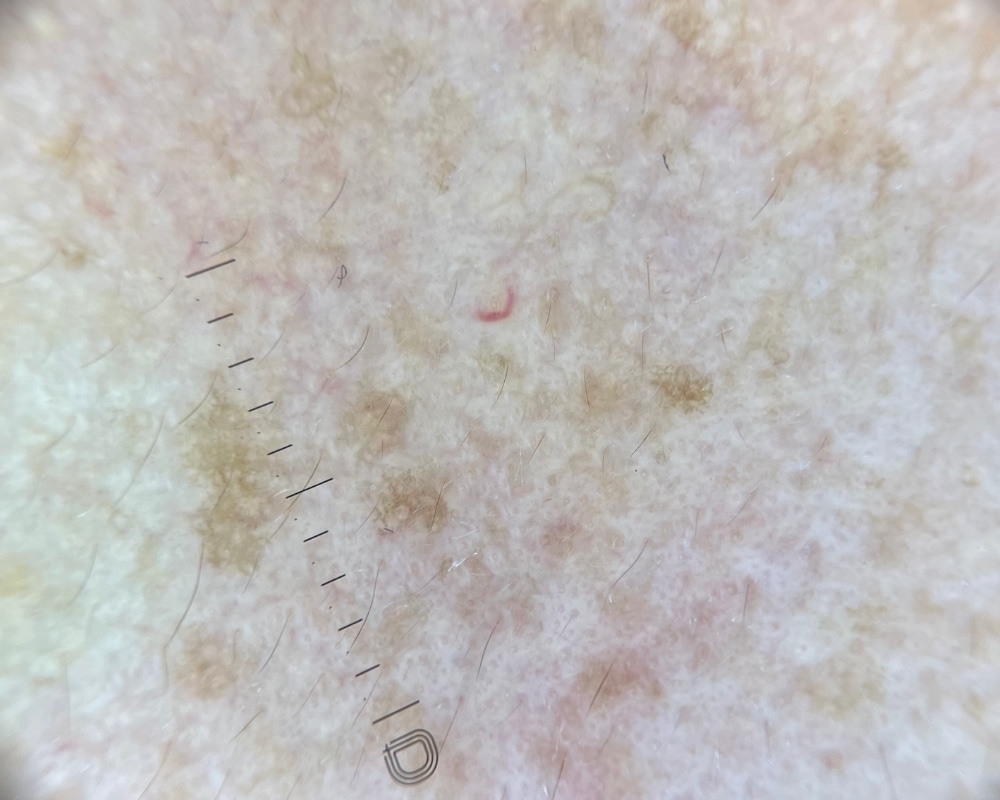
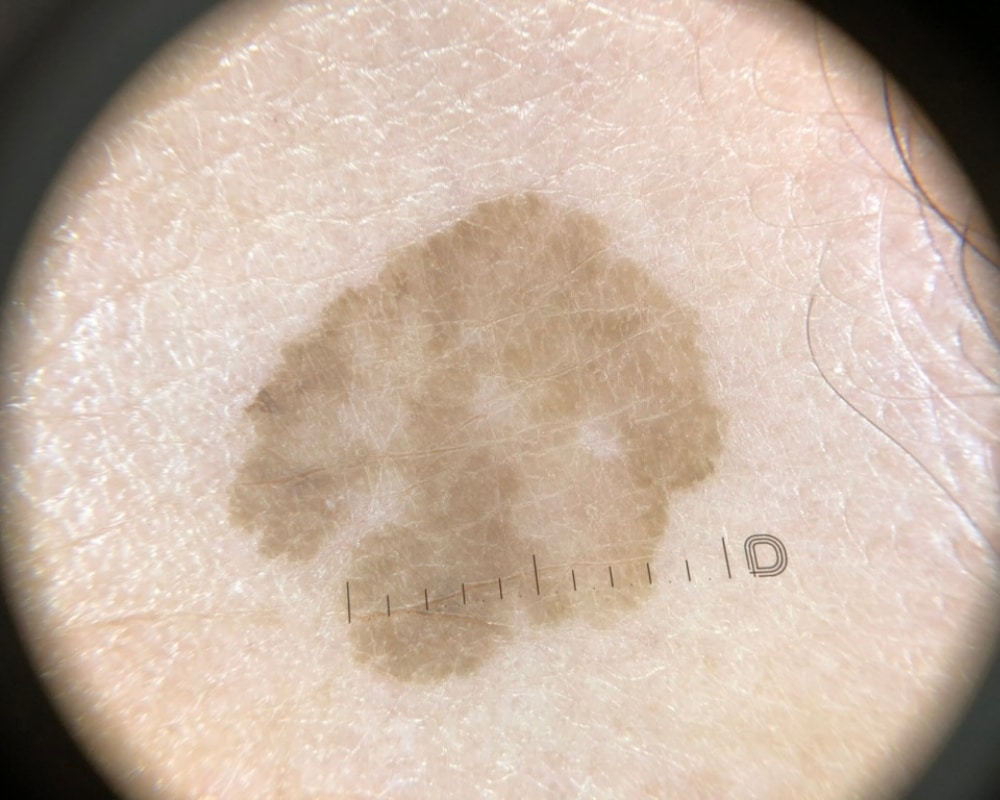
Pigmentation changes refer to areas of the skin where the natural skin colour becomes darker (hyper-pigmentation) or lighter (hypo-pigmentation) compared to surrounding skin because of changes in melanin - the pigment that gives skin its colour. Pigmentation itself is not usually harmful but can be distressing for some people due to changes in appearance.
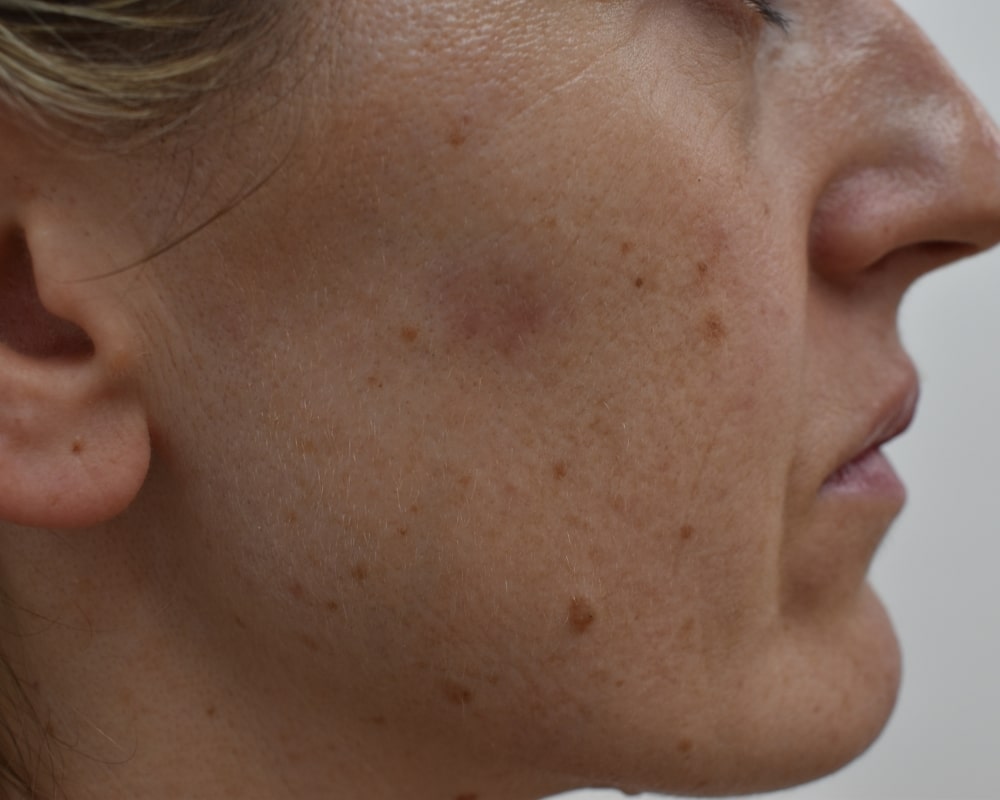
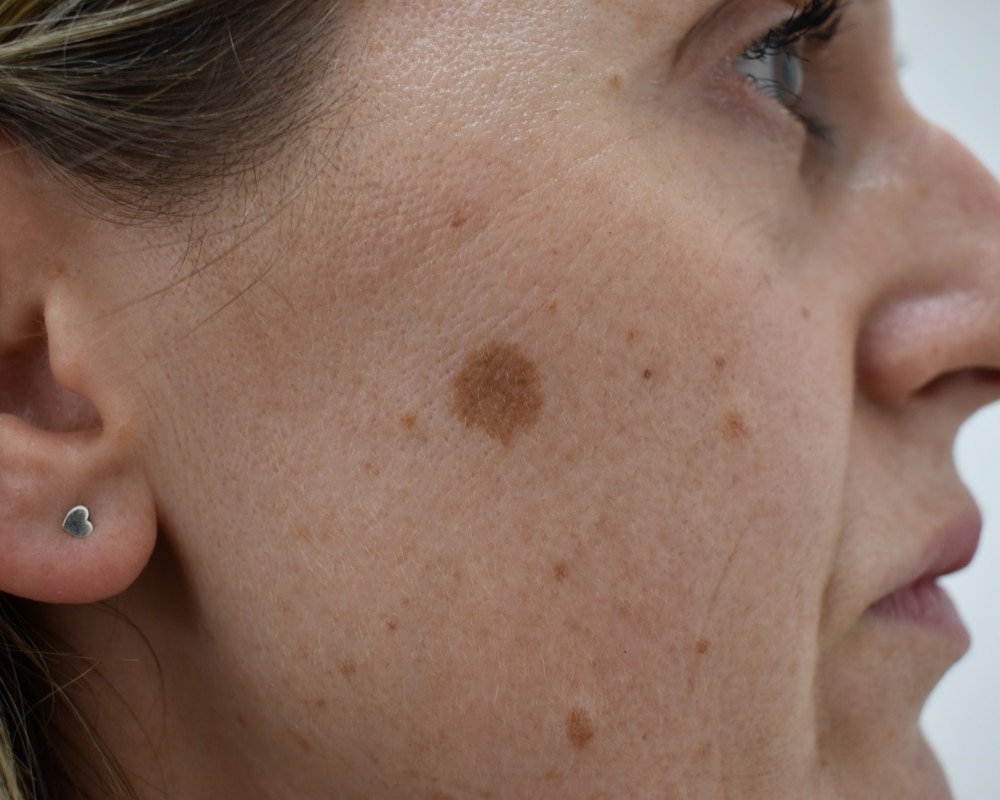
Types of pigmentation you may notice
- Melasma (chloasma) - brown/grey-brown “blotchy” patches, often symmetrical on the face
- Post-inflammatory hyperpigmentation (PIH) - darkening after acne or inflammation
- Freckles (ephelides) - small, flat marks that darken with sun exposure
- Post-inflammatory Hypopigmentation - lighter patches of skin after inflammation or injury
- Age / Sun spots (solar lentigines) - flat brown marks on sun-exposed areas

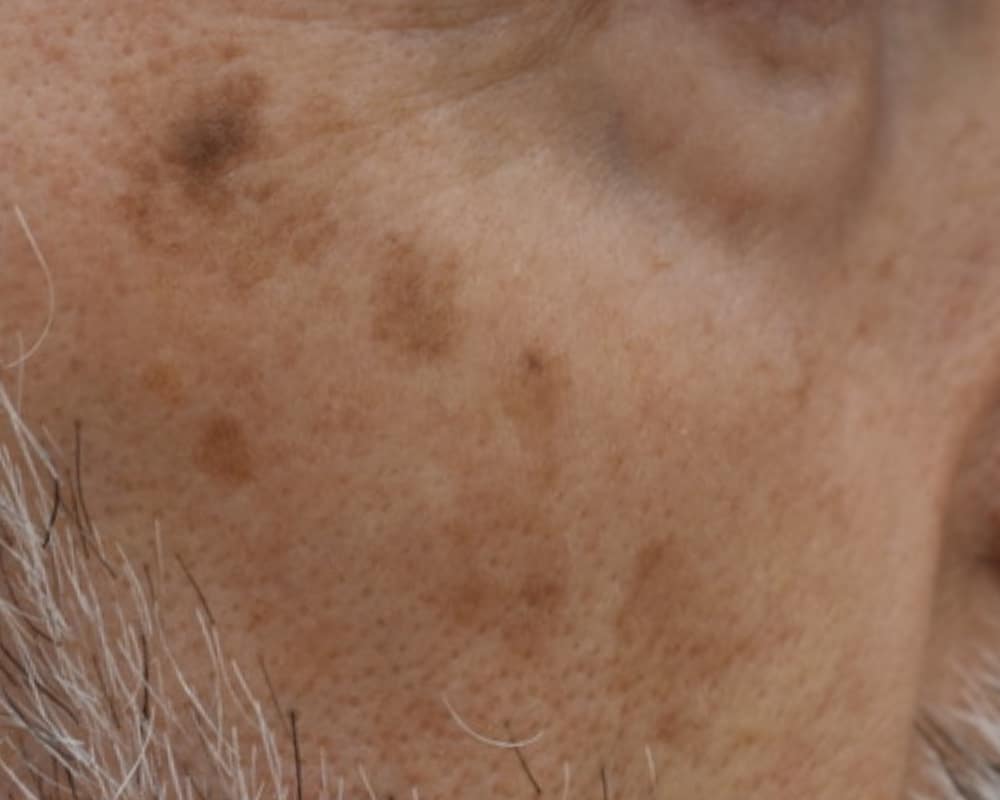
Key Features
- Change in skin colour, but the area is not usually raised
- Brown, grey-brown, blue-grey, tan or - in the case of PIH - lighter than natural skin tone
- Usually not painful, itchy or uncomfortable
- Changes may become more visible with sun exposure
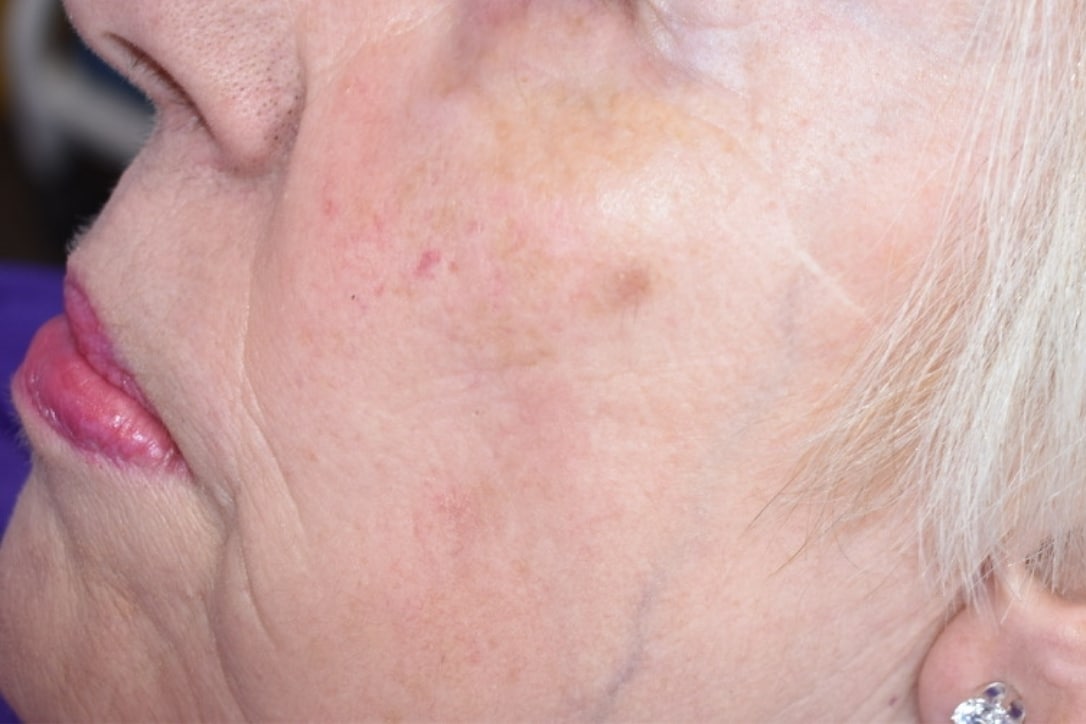
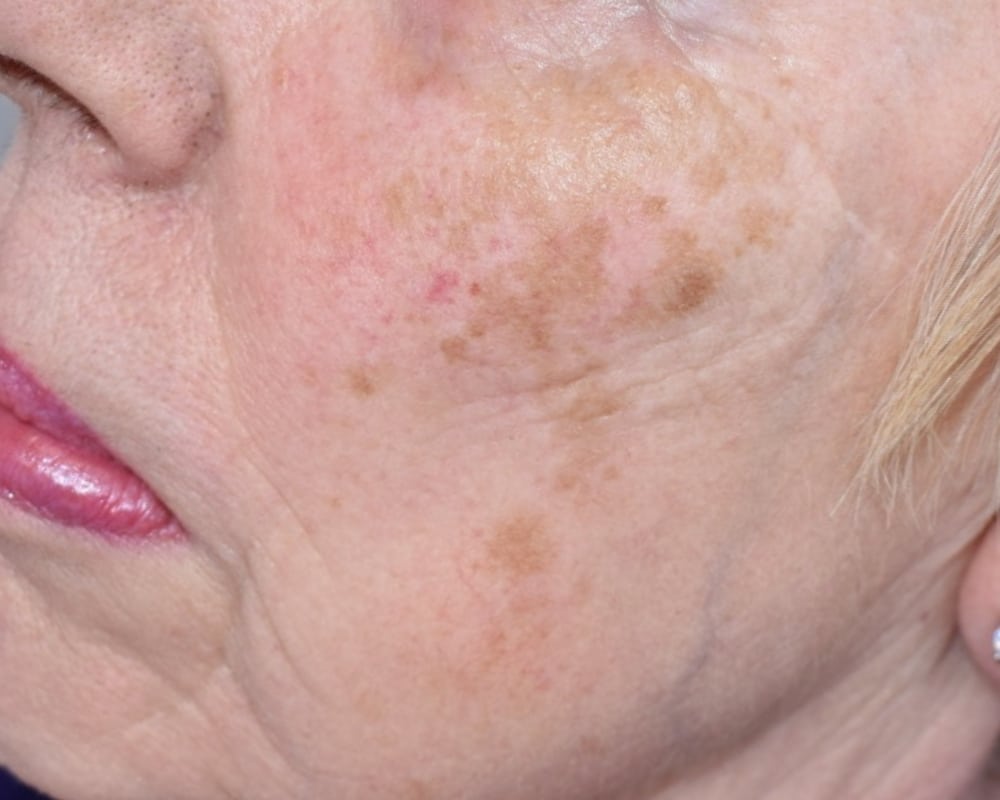
Where Pigmentation Commonly Occurs
Pigmentation changes can occur in sun-exposed areas or areas of inflammation or injury.
Commonly, these are seen on the:
- Face (cheeks, forehead, nose, upper lip).
- Neck, chin, jawline
- Back of hands, forearms
- Occasionally, other areas after skin inflammation or trauma
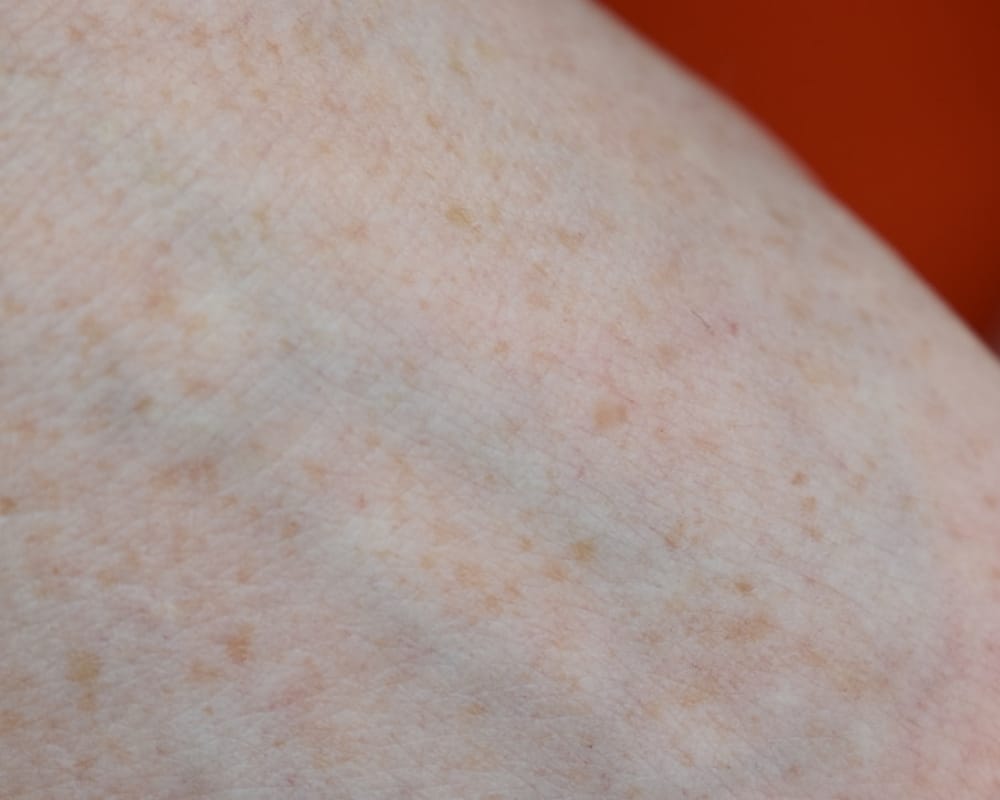
Contributing Factors
A number of factors contribute to pigment changes in the skin. These include:
- Ultraviolet (UV) light / sunlight exposure: UV is the most common trigger that stimulates pigment (melanin) production, and visible light may also play a role.
- Hormonal influences: For example, melasma frequently occurs during pregnancy, with the use of hormonal contraception or hormone replacement therapy.
- Genetic or skin type: A family history may increase the likelihood of pigment changes.
- Skin inflammation or irritation: Post-inflammatory hyperpigmentation can be caused by inflammatory skin conditions like eczema or psoriasis, injuries such as burns or acne, and dermatologic procedures like laser therapy or chemical peels.
- Skin-type: Fitzpatrick 4-6 skin types tend to produce more melanin and may be more prone to persistent pigmentation changes.
Important note: While pigmentation is typically benign (non-cancerous), any new or changing pigmented patch (especially if raised, bleeding, or changing colour/shape) should be assessed by a qualified dermatologist or GP to exclude other causes, including skin cancer.
Prevalence
The occurrence of changes in pigmentation is very common. Melasma alone affects a significant number of adults worldwide, especially women of reproductive age and individuals with skin types that tan more easily.
Treatment Options
At Cambridge Contour Clinic, we assess your pigmentation changes and offer a tailored treatment plan, combining safe, evidence-based options with high-quality aftercare. Our treatments may include one or a number of the following:
- Medical-grade chemical peels - to gently exfoliate the outer skin layers and reduce pigment accumulation.
- Microneedling and mesotherapy - to enhance penetration of pigment-modulating serums, accelerate skin renewal and improve tone.
- Cryotherapy - Using a fine jet of N₂O under high pressure, to cause controlled trauma, encouraging the skin's healing response
- Phototherapy - typically used alongside the treatments above to assist with the healing process, increasing cellular turnover and boosting collagen.
Why having options matters: Pigment treatments are not “one-size-fits-all”, and results vary depending on individual factors such as skin type, type of pigmentation and lifestyle behaviours. At our clinic, we emphasise realistic expectations, and we monitor progress and adapt the plan as needed.
Other potential treatment options
Here at Cambridge Contour Clinic, we focus on minimally invasive techniques to optimise healing and cosmetic outcomes. However, we believe in transparency to help our clients make an informed choice on how they would like to proceed. Therefore, if we are aware of other recognised treatment methods that may be suitable for you, we will discuss these during your consultation.

When to seek a specialist
Pigmentation is usually harmless. However, see a GP, dermatologist or medical professional if:
- A pigmented mark changes in size, shape or colour
- It becomes raised, bleeds, crusts or is painful
- Only part of the pigmented area changes
- You’re unsure whether the patch is benign
Pigmentation Frequently Asked Questions
Is pigmentation harmful?
In most cases, pigmentation changes (hyperpigmentation) are benign (non-cancerous). However, any new, changing, irregular or symptomatic pigmented patch should be assessed by a dermatologist or GP to exclude other causes.
Will the pigmentation come back after treatment?
There is always a possibility of recurrence - especially if triggers remain (sun exposure, hormones, skin irritation). Therefore, maintenance (sun-protection, skincare) is key.
How many sessions will I need?
This varies depending on the depth and extent of pigmentation, skin type, and your goals. We will provide a bespoke estimate during your initial assessment.
Is treatment safe for all skin types?
We tailor treatment based on your skin type. Some devices or treatments carry a higher risk of unwanted pigmentation, so we choose options accordingly and discuss the risk-benefit with you.