What are warts?
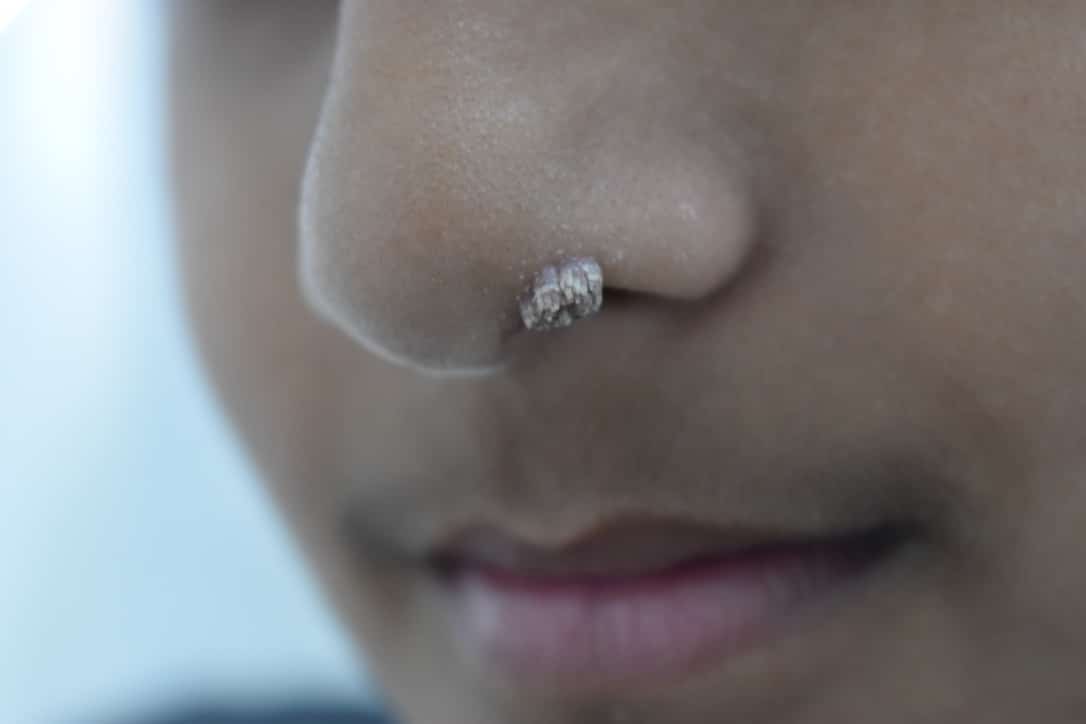
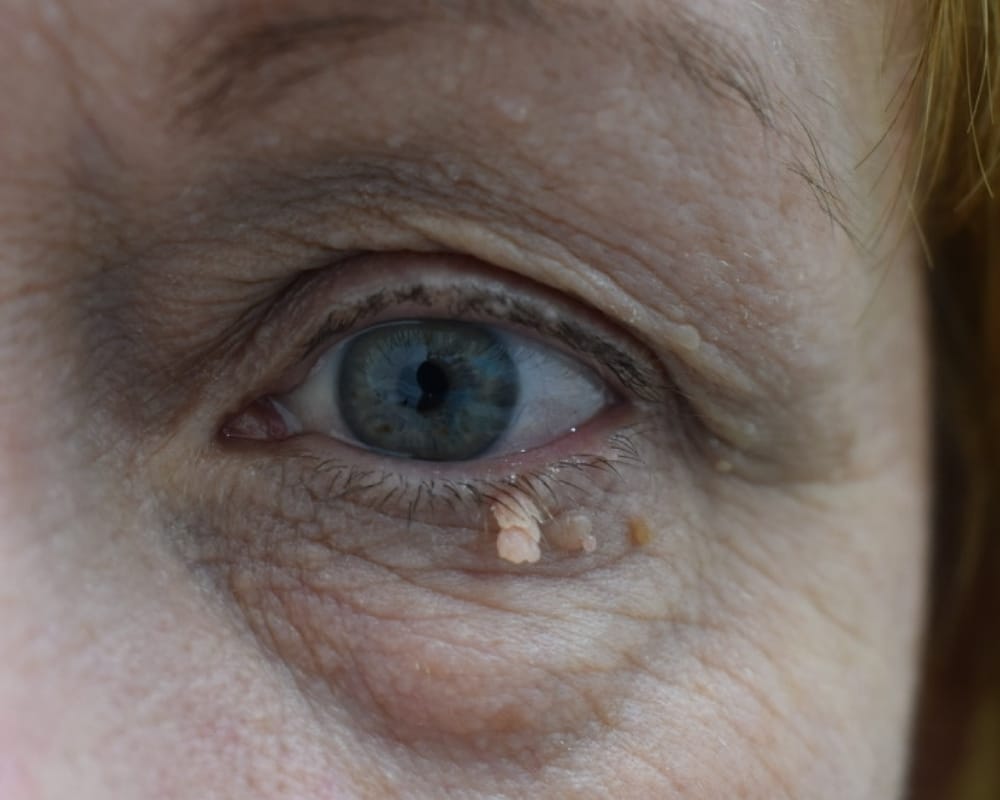
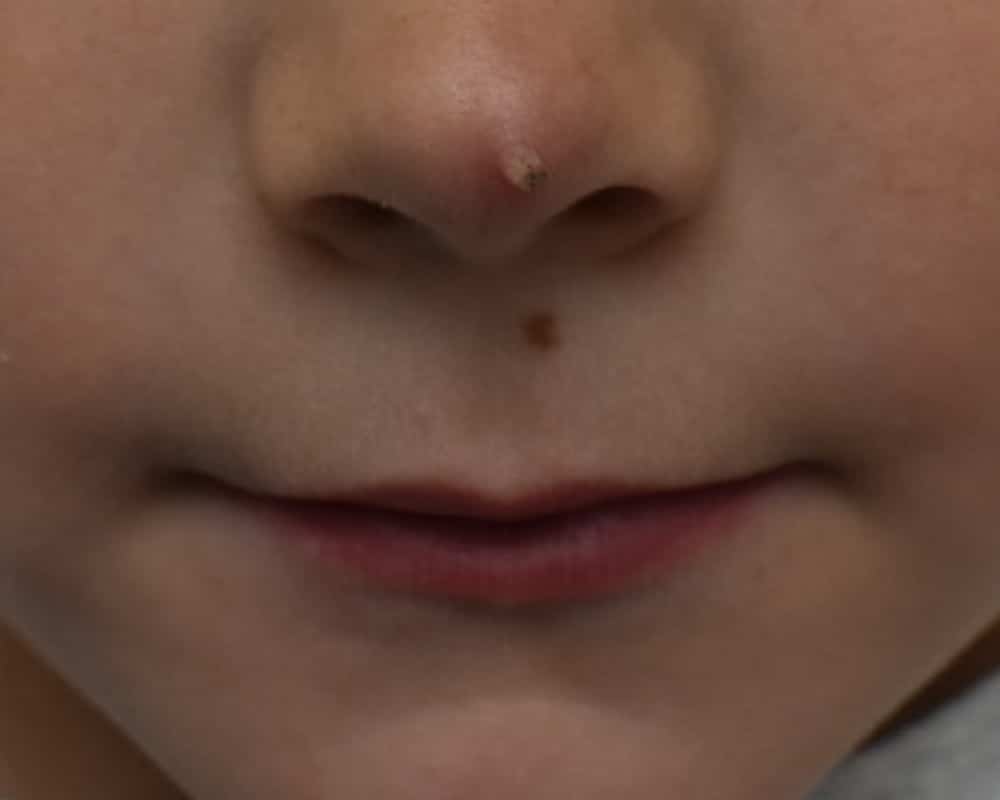
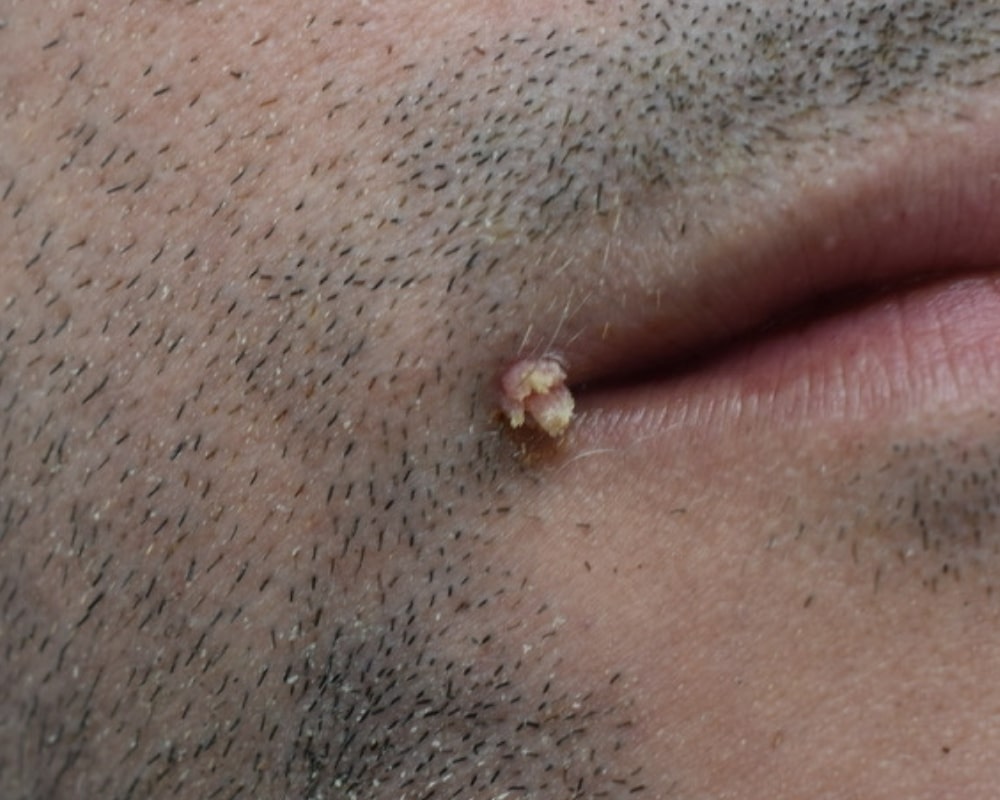
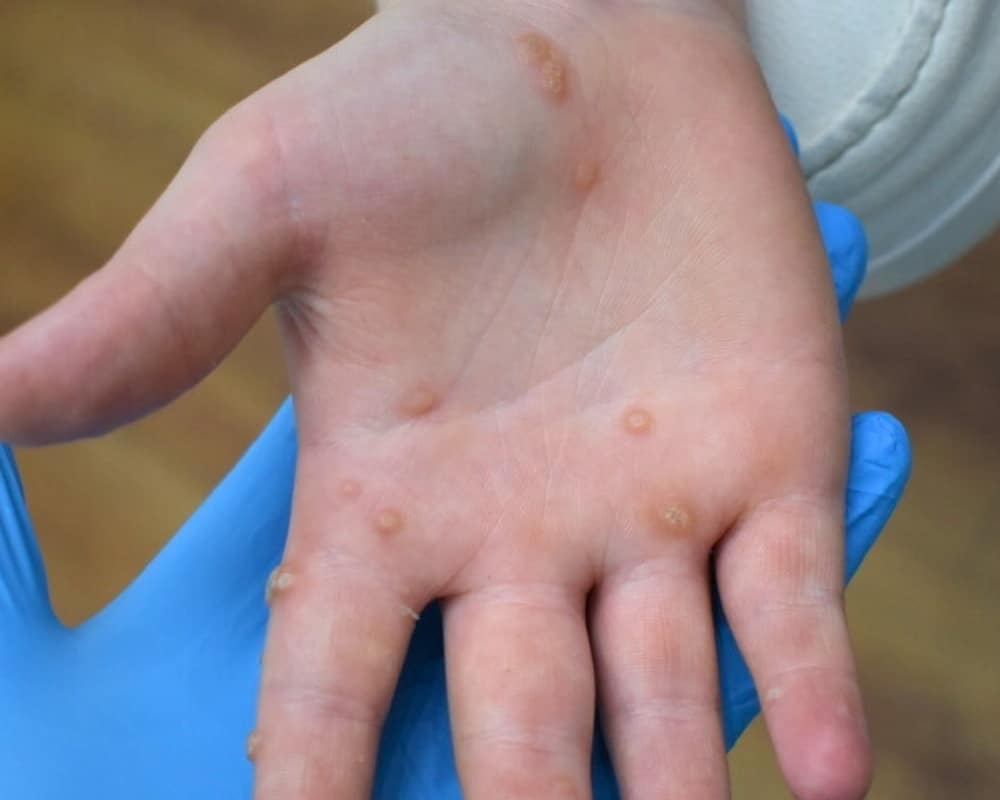
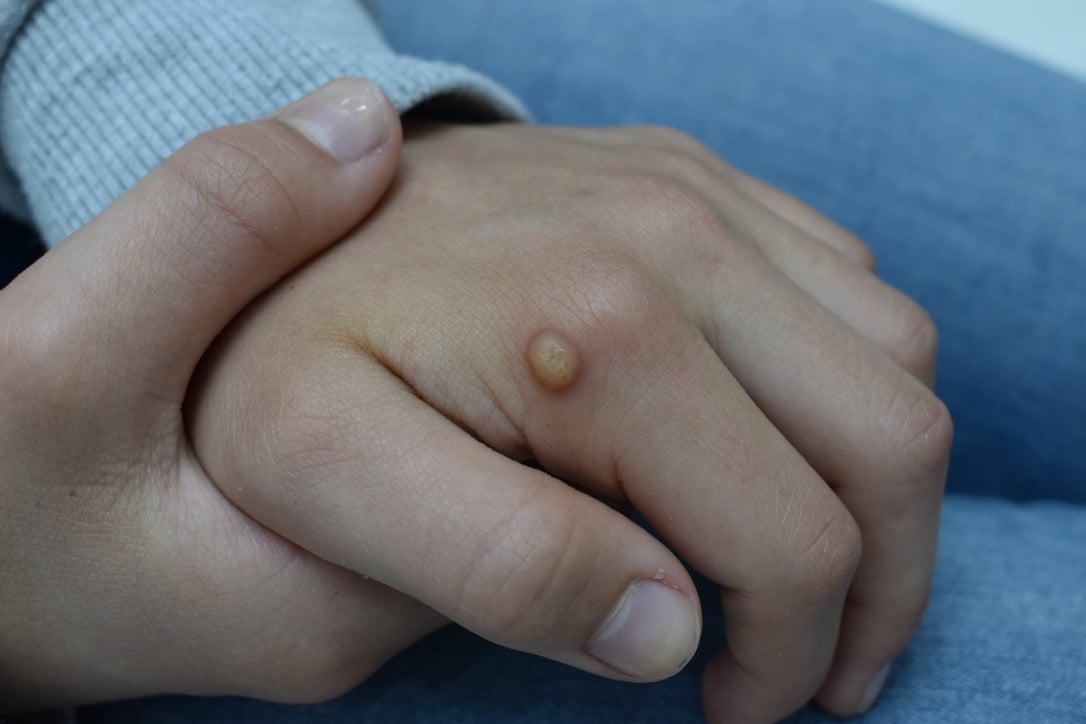
Warts are non-cancerous skin growths caused by infection of the skin by the Human papillomavirus (HPV), which infects the basal layer of the epidermis and causes proliferation of keratinocytes (skin cells), leading to the wart. They typically appear as firm raised lumps with a rough surface (common wart), or flat, smooth papules (plane wart) or finger-like projections (filiform). On the soles of the feet (verrucae/plantar warts), they may appear as thickened, inward-growing growths under pressure areas, sometimes with small black dots (thrombosed capillaries) visible.
They may occur singly or in clusters (mosaic warts) and may persist for months or even over a year.

Common Types of Warts
Common wart (Verruca vulgaris)
- Common appearance: Firm, rough surface, small bumps
- Typical locations: Fingers, hands, knees, elbows
Plantar wart (Verruca)
- Common appearance: Flat or sunken due to pressure, small black dots, painful when walking
- Typical locations: Soles of the feet / heel / toes
Plane wart (Verruca plana)
- Common appearance: Smooth, flat-topped, skin-coloured or slightly pigmented
- Typical locations: Face, backs of hands, shins
Filiform wart
- Common appearance: Long, thin, finger-like projections
- Typical locations: Face, around the mouth / eyes
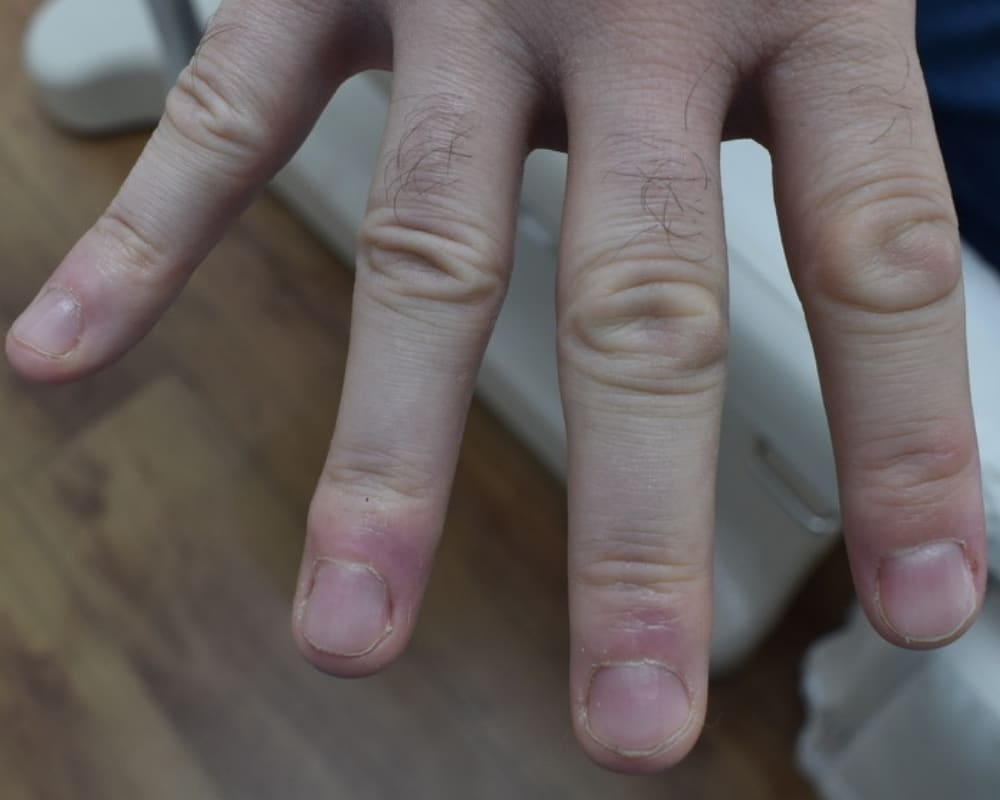
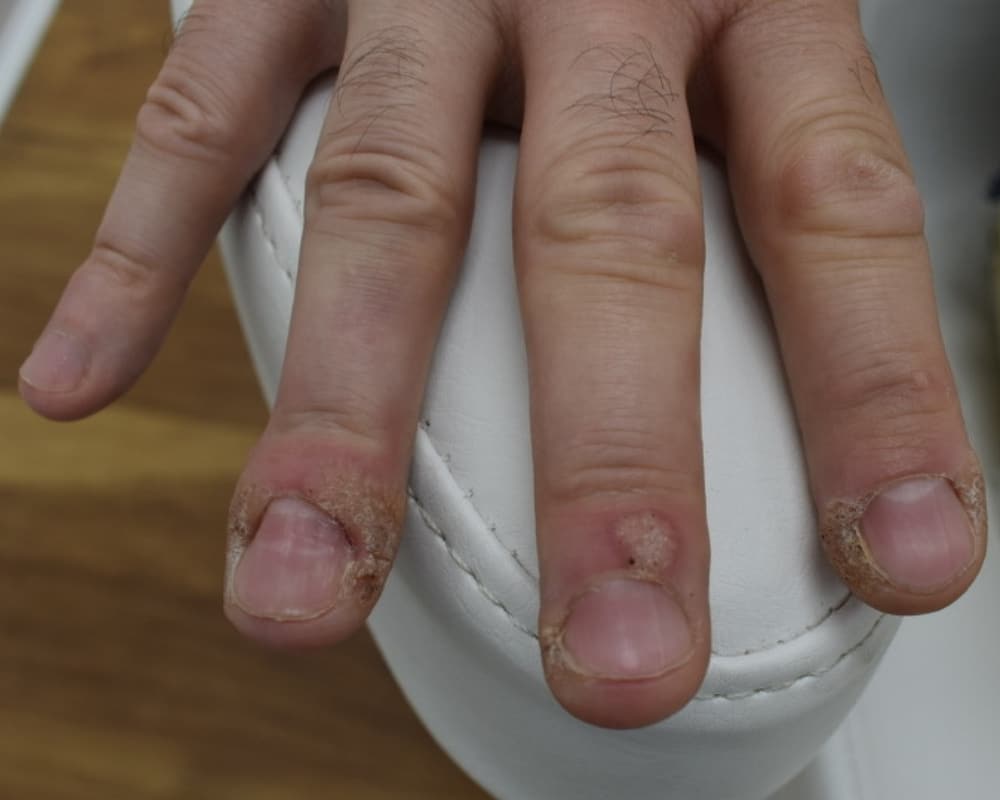
Periungual wart
- Common appearance: Thickened wart around or under nails
- Typical locations: Fingernails and toenails
Mosaic wart
- Common appearance: Cluster of small plantar warts merging
- Typical locations: Bottom of the foot
Key features
- Caused by HPV infection of the epidermis (skin surface)
- Firm to touch; can be smooth, rough or clustered depending on type
- May have black pinpoint dots (small thrombosed blood vessels)
- May increase slowly in number or size
- Can resolve naturally, but often persists

Where on the body do they commonly occur
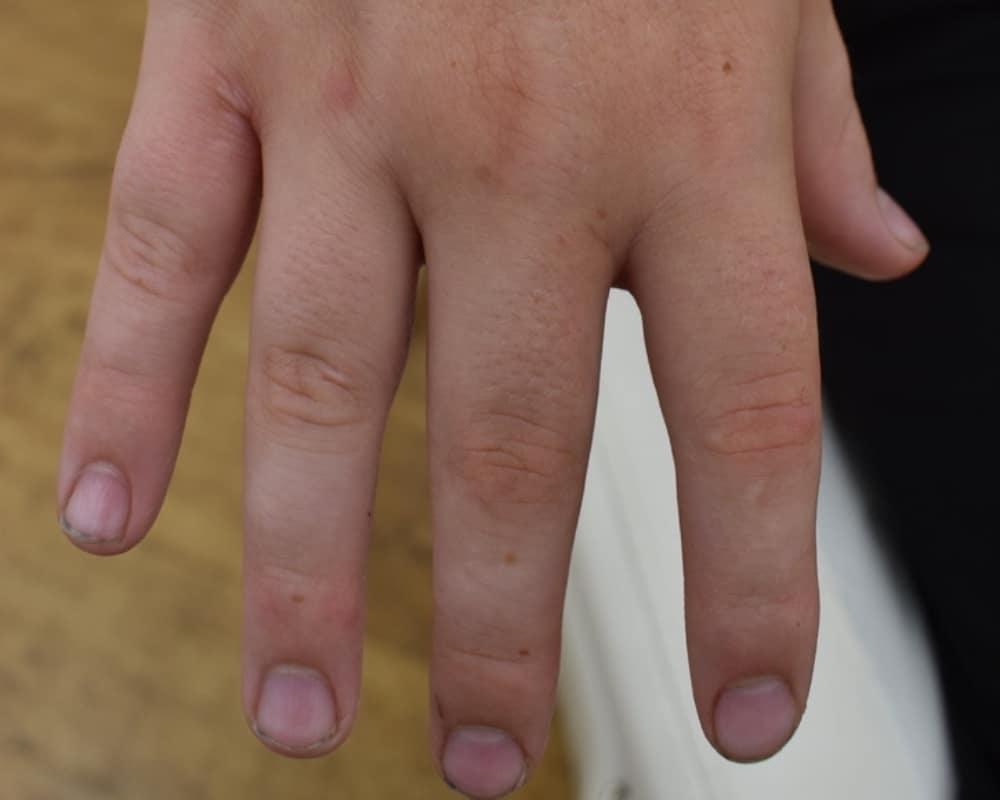
- On the hands (backs, fingers), around and under nails (periungual), on the knees.
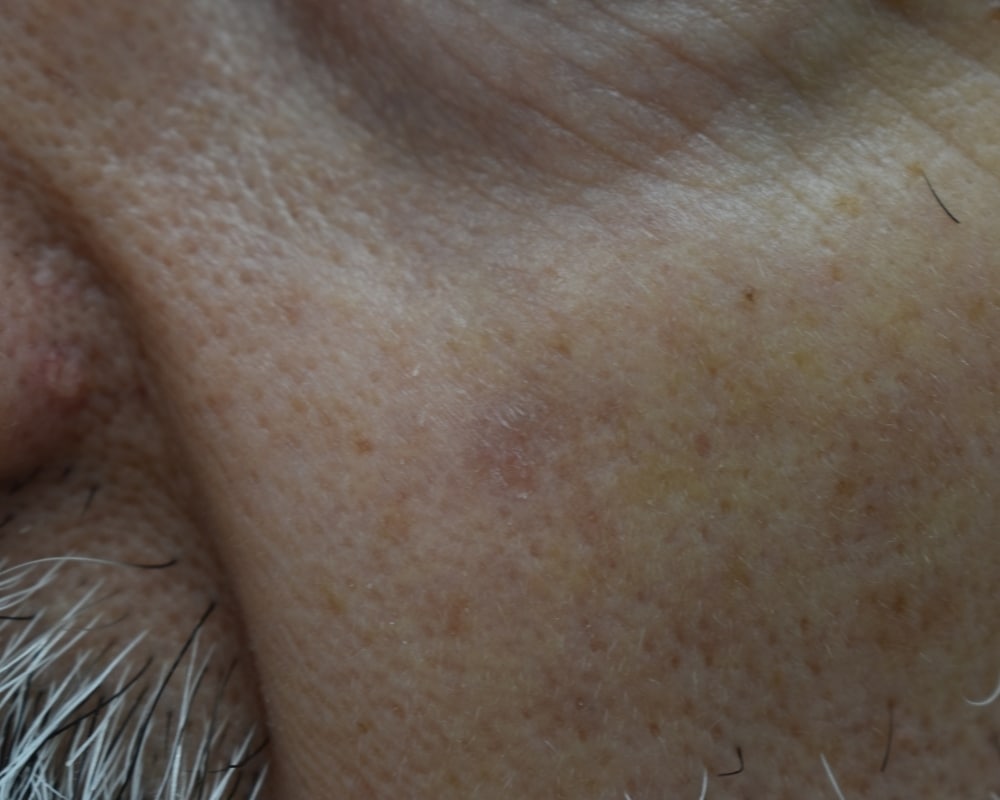
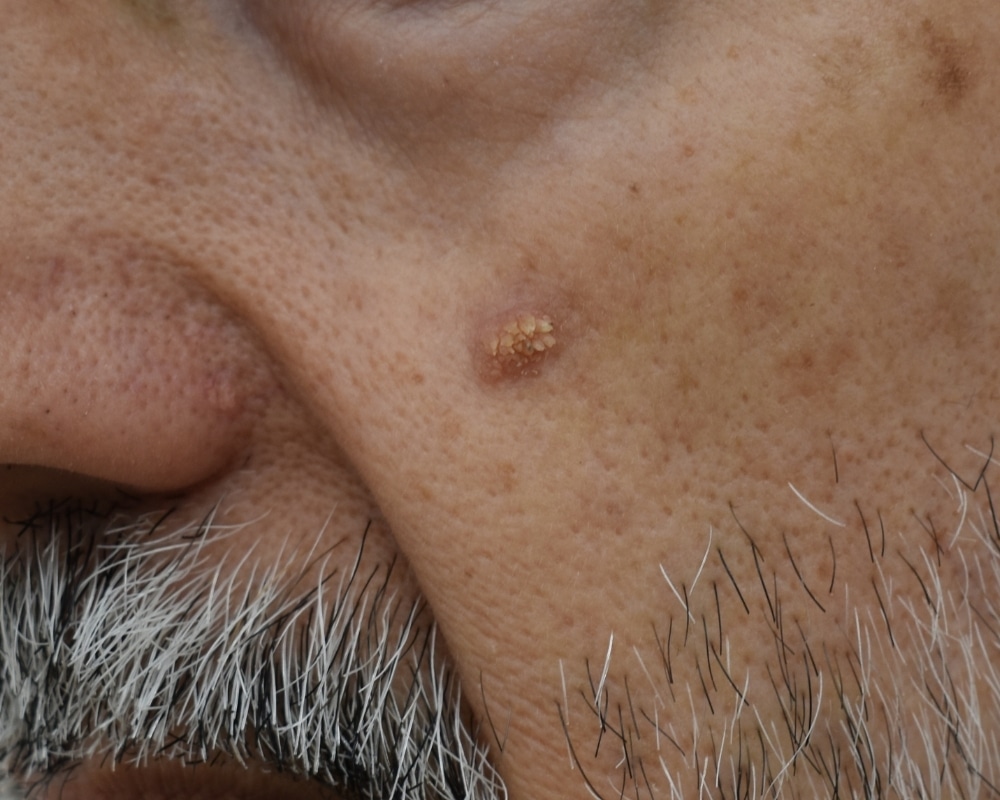
- On the face and neck (especially plane and filiform warts).
- On the soles of the feet (plantar warts / verrucae) — especially in weight-bearing zones.

Contributing Factors
- Direct skin-to-skin contact, indirect contact (e.g., shared surfaces, floors, showers), especially when skin is damp or damaged.
- The virus may spread from one site to another via scratching or picking.
- Traumatic skin barrier disruption (e.g., shaving, minor cuts, communal changing rooms) leads to a higher risk.
- Immunosuppression: People with weaker immune systems may have more persistent or multiple warts.
- Other factors: age (children/teenagers), and certain types of activity (walking barefoot, swimming pool floors), for certain types of warts such as verrucae.
Prevalence
Warts are very common, especially in children and teenagers; however, many adults also experience them at some point.
They can often resolve naturally, but some persist or spread, leading people to seek treatment for clarity, comfort or cosmetic reasons.
Treatment Options
At Cambridge Contour Clinic for treatment of warts and viral/HPV related lesions, we typically offer:
Cryotherapy
Using a fine jet of N₂O under high pressure, we freeze the lesion with millimetre precision.
Whether this is most suitable for you is best discussed within a consultation with one of our specialists, where they will discuss your treatment options, check you are able to have said treatments (i.e there are no health contraindications). They will also discuss healing and success rates, check that you are happy with any potential risks and address any necessary pre-care, post-care, treatment plans and pricing.
Other Potential Treatment Options
Here at Cambridge Contour Clinic, we focus on minimally invasive techniques to optimise healing and cosmetic outcomes. However, we believe in transparency to help our clients make an informed choice on how they would like to proceed. Therefore, if we are aware of other recognised treatment methods that may be suitable for you, we will discuss these during your consultation.

How to prevent warts
While they can affect anyone, simple steps may reduce the chance of developing or spreading warts:
- Avoid picking or scratching warts
- Do not share razors, towels, nail clippers or footwear
- Wear flip-flops in communal showers / changing rooms
- Keep feet dry and change socks daily
- Cover warts with a plaster during sports or swimming
- Do not bite nails (especially with periungual warts)
Warts Frequently Asked Questions
Are warts contagious?
Yes - HPV spreads through direct skin contact or shared surfaces, especially when skin is damp or damaged.
Do warts mean I’m unhealthy?
No - warts affect healthy people widely. Some immune systems simply do not clear HPV as quickly as others.
Can warts come back after treatment?
Recurrence can potentially happen. We provide tailored advice to reduce this risk.
Do children need treatment?
Not always. Warts often disappear naturally in children. Treatment is a choice if they do not like their appearance, or if the discomfort or spreading of warts occurs.
Are warts cancerous?
No - warts are benign. However, any fast-changing or atypical lesion should be professionally assessed.