

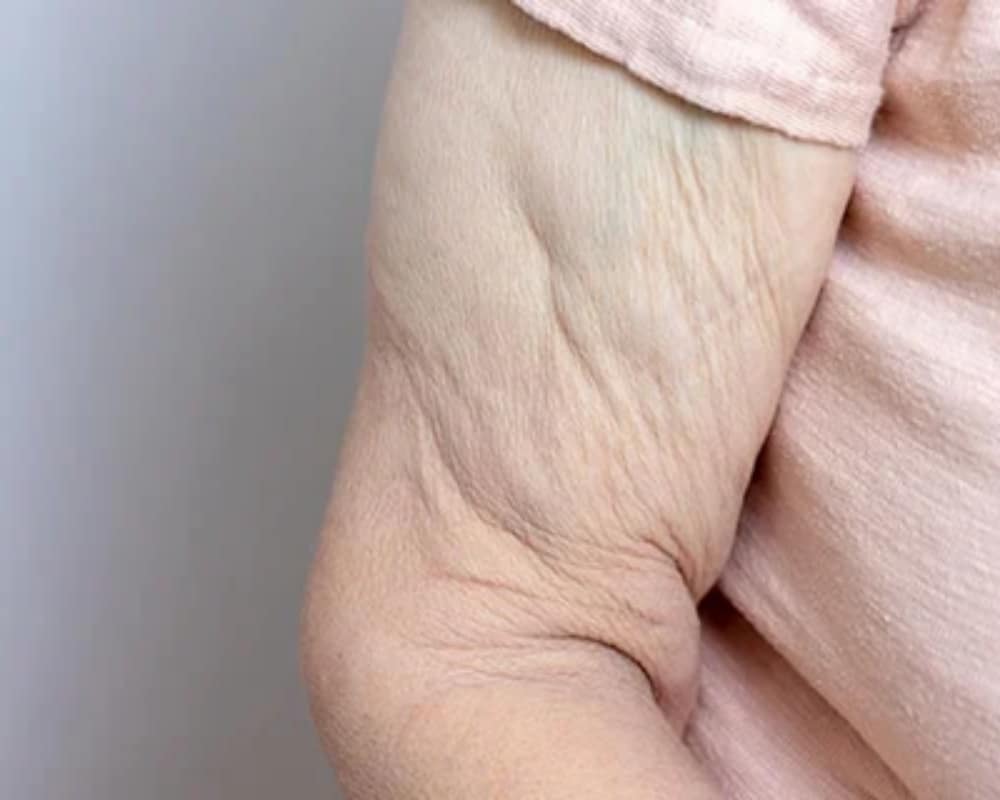
What is Skin Laxity?
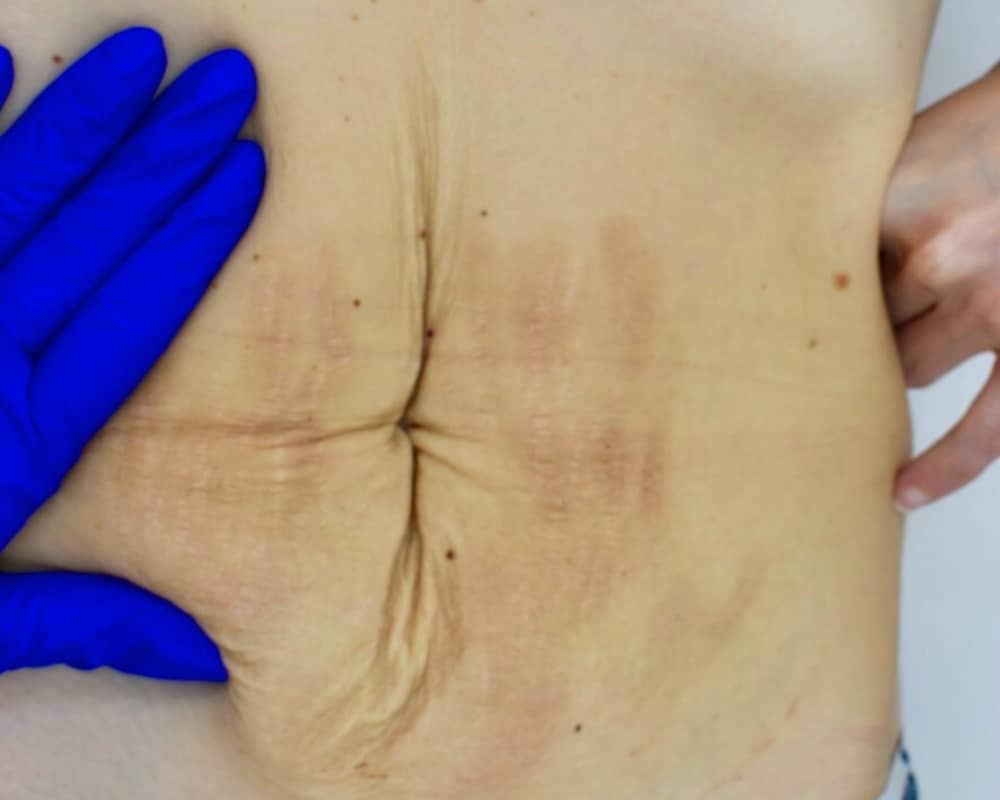
Skin laxity refers to the visible looseness or “sagging” of the skin, caused by a gradual decline in the skin’s structural framework. Over time, the “spring” in the skin diminishes as collagen and elastin fibres break down. The result: skin that no longer retracts fully, presenting with mild to moderate sagging or a “crepey” texture. Some examples include:
- Loss of collagen & elastin support
- Skin thinning or volume loss underneath
- Visible commonly at the jawline, neck, arms, abdomen, and thighs
- More prominent with sun exposure, age, weight changes, and lifestyle stress
What to expect
1
In-depth consultation
We assess your skin condition, laxity severity, lifestyle factors, anatomy and aesthetic objectives.
2
Custom treatment plan
We select one or more technologies/techniques best suited for your specific areas (face and/or body).
3
Targeted sessions
Using safe, clinically validated devices and protocols, you receive treatments in a comfortable clinic environment.
4
After-care & maintenance
We provide you with the right skincare, lifestyle advice and follow-up support to optimise and sustain results.
5
Review & refresh
Skin continues to age; we monitor and plan for appropriate refresh treatments to maintain the effect.

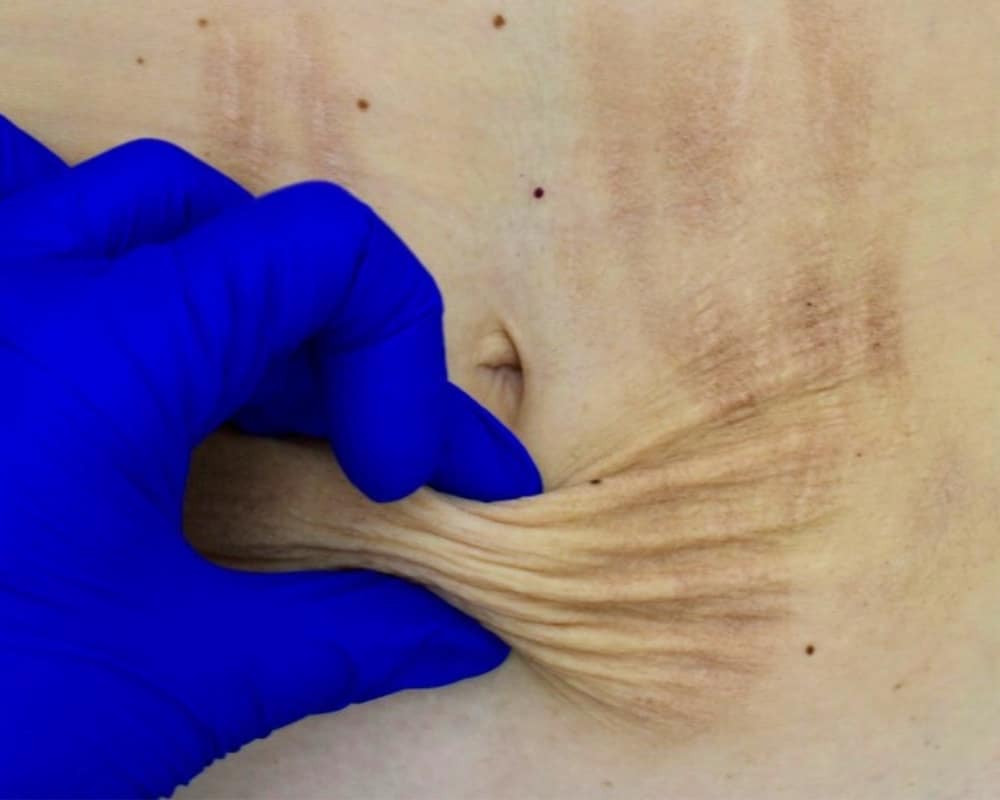
Contributing Factors
Skin laxity is inevitable to some degree, but certain factors accelerate its appearance. Understanding these helps maximise the results of your treatment.
- UV/sun exposure - breaks down collagen
- Smoking & poor nutrition
- Weight fluctuations & pregnancy
- Lifestyle stress & poor sleep
- Genetics & skin type
- Natural ageing process
- Hormonal changes (menopause, etc.)

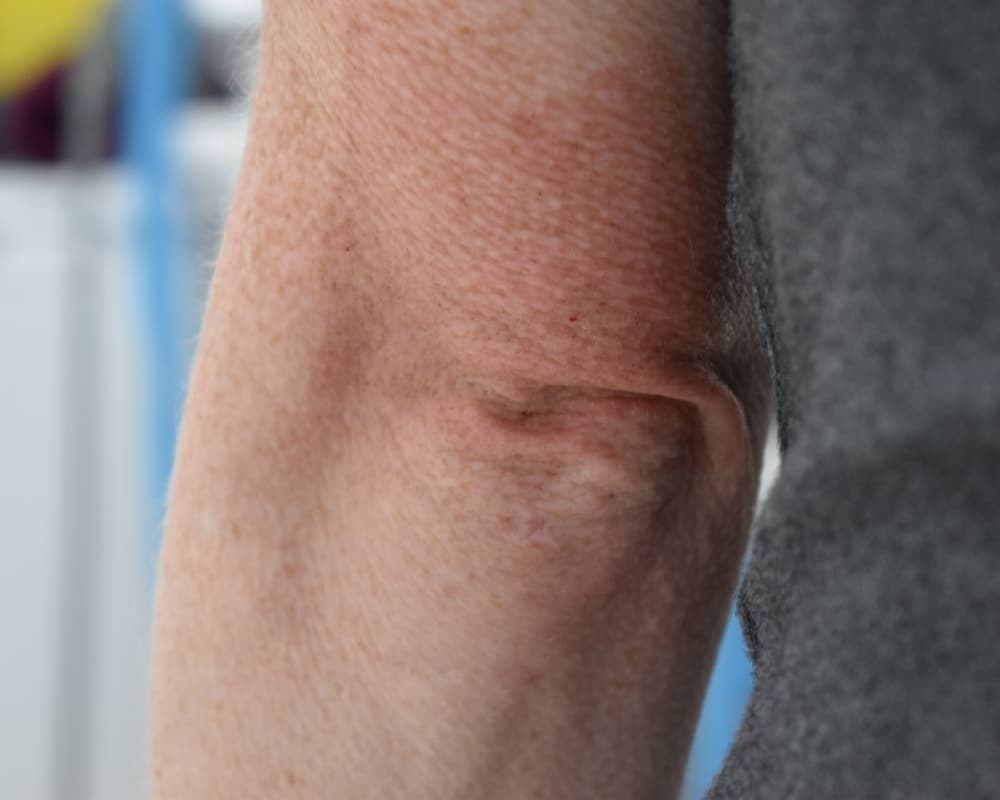
When & Where It Shows Up
Skin laxity can develop subtly and then become more visible. Here’s how and where it tends to show:
Sub-section for Face:
- Jawline and jowls
- Neck and sub-mental region (“double-chin”)
- Marionette lines and lower cheeks
Sub-section for Body:
- Upper arms (“bat wings”)
- Abdomen (especially post-pregnancy or weight loss)
- Inner thighs, knees, flanks
When skin begins to sag or “wobbles” when you move or hold it, or when the texture becomes thin, crepey or dimpled, you may choose to consider an assessment.
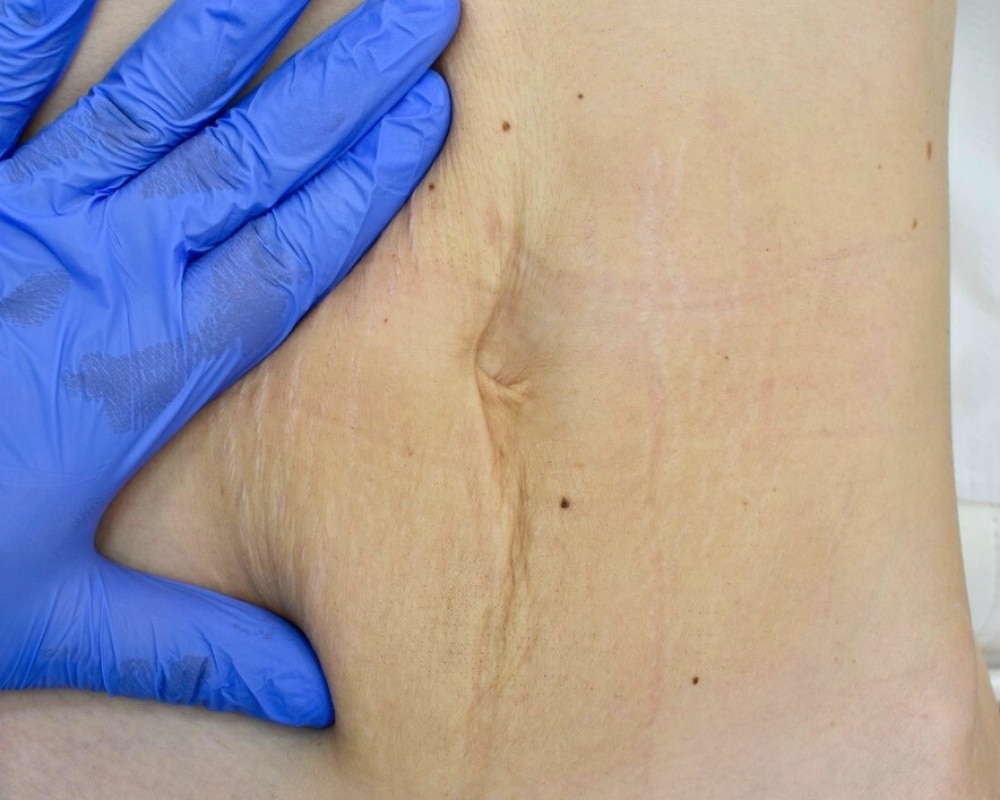
Our Treatment Approach
At Cambridge Contour Clinic, we combine advanced technology, expert assessment and tailored treatment plans to improve skin firmness, texture and contour.
Potential options of way to approaching skin laxity may include:
Collagen induction
We use safe, clinically established technologies such as microplasma or microneedling to trigger new collagen and elastin production, helping to firm and lift skin gradually with minimal downtime.
Skin & Volume Support via injectables
In certain cases, restoring volume (with injectables, skin boosters or fillers) supports the skin’s deeper structure, improves contour and enhances the effect of tighter skin.
Skin-Care & Lifestyle Optimisation
Treatments achieve best results when supported by daily good skin care (sun protection, retinoids, antioxidants) and healthy lifestyle habits (nutrition, sleep, etc). Our tailored advice during your consultation will put you in good standing to achieve long-lasting results.
Realistic Expectations & Maintenance
While our treatments deliver noticeable improvement for mild-to-moderate laxity, they are not a substitute for surgical lifts in extreme cases. Multiple sessions may be required, and maintenance treatments help prolong results. Our specialists will guide you through expected outcomes, cost and likely maintenance schedule.
Other potential treatment options
Here at Cambridge Contour Clinic, we focus on minimally invasive techniques to optimise healing and cosmetic outcomes. However, we believe in transparency to help our clients make an informed choice on how they would like to proceed. Therefore, if we are aware of other recognised treatment methods that may be suitable for you, we will discuss these during your consultation.


Supporting your skin between treatments
Your in-clinic treatment is only part of the story - supporting your skin in everyday life helps maintain and extend the benefits. Consider:
- Daily broad-spectrum sun-protection (UVA + UVB) - UV is a key driver of collagen/elastin breakdown.
- Balanced nutrition: adequate protein, vitamin C, zinc, omega-3s and hydration support structural skin health.
- Healthy lifestyle: stop/avoid smoking, moderate alcohol, get good sleep, and manage stress.
- Targeted skincare: use clinically-backed products such as peptides and hyaluronic acid - they won’t replace device-treatments, but they support them.
- Gentle muscle support: strength training, posture work, and face/neck exercises can help underlying support structures.
Skin laxity Frequently Asked Questions
When will I see results?
Most patients begin to notice improved texture, firmness or contour within 4-12 weeks, as new collagen is laid down. Full effect may take 3-6 months.
Is the treatment painful / what is the downtime?
Typically, treatments involve minimal downtime: some redness or mild swelling may occur. Your specialist will discuss what to expect.
How many sessions will I need?
This depends on the area(s), degree of laxity and combination of treatments. We’ll propose an individual plan at the consultation.
Are the results permanent?
No treatment stops ageing indefinitely. Results can be long-lasting, but maintenance is required. But don’t worry, we’ll design the “refresh” pathway.
Am I a good candidate?
If you’re noticing skin loosening or softening of contours in the face or body and want to explore improvement, you’re likely suitable. If the laxity is very advanced (significant excess skin), surgical options may be discussed.