
What are skin blemishes?
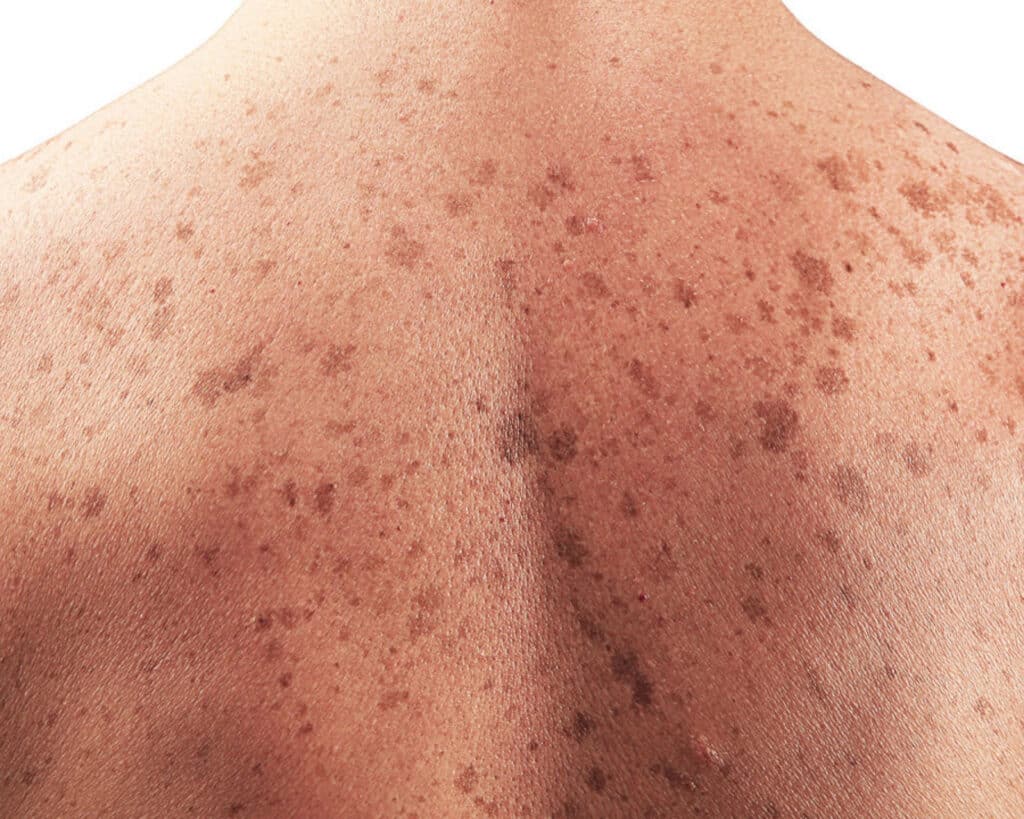
Many of us notice changes in skin tone on our body – small brown spots, patches left after breakouts, or uneven colouring on areas exposed to the sun or after injury. These blemishes are common and normal. What matters is that you are happy in your own skin, which to some means understanding what they are, what’s causing them, and what can be done.
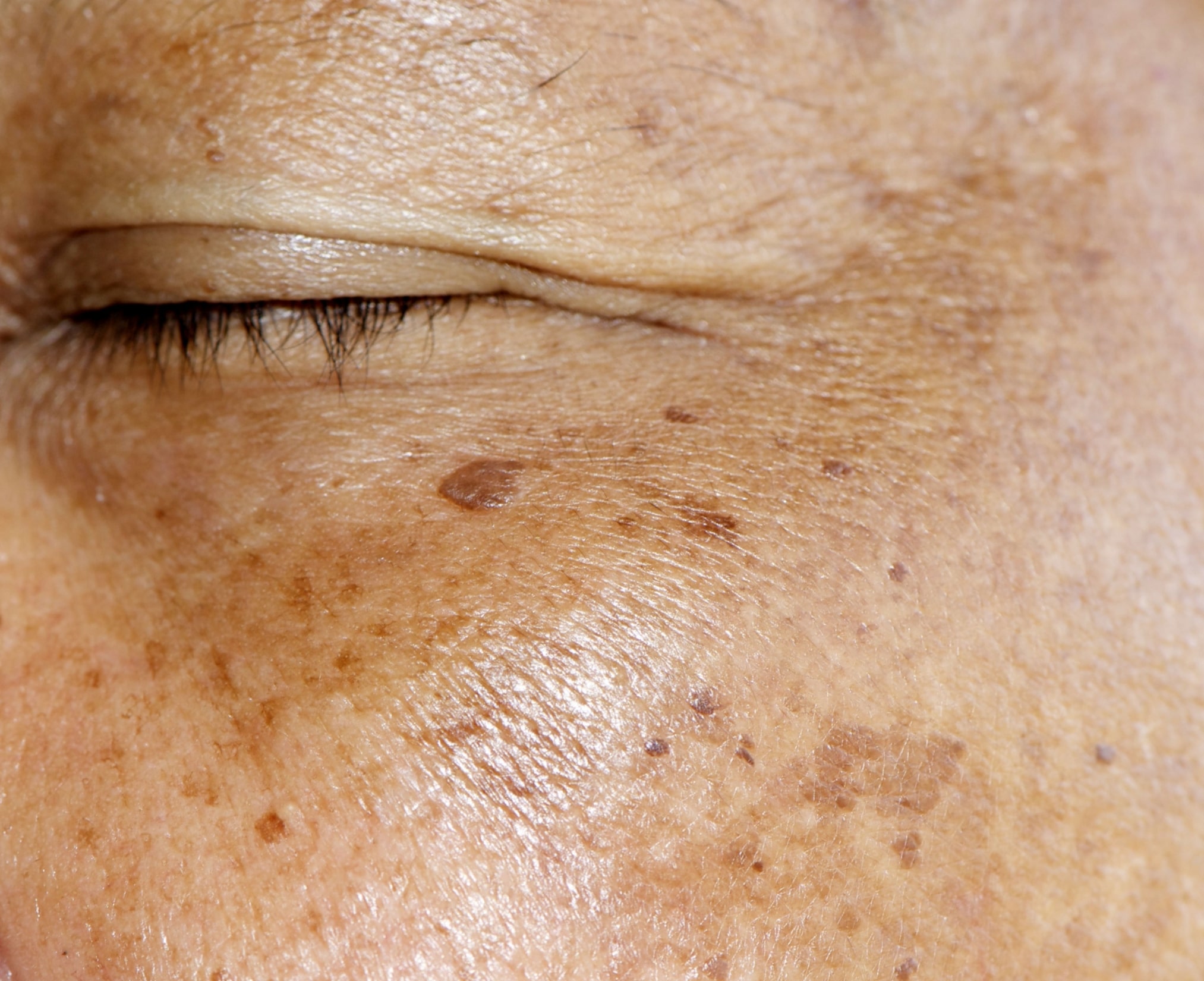
Freckles (ephelides)
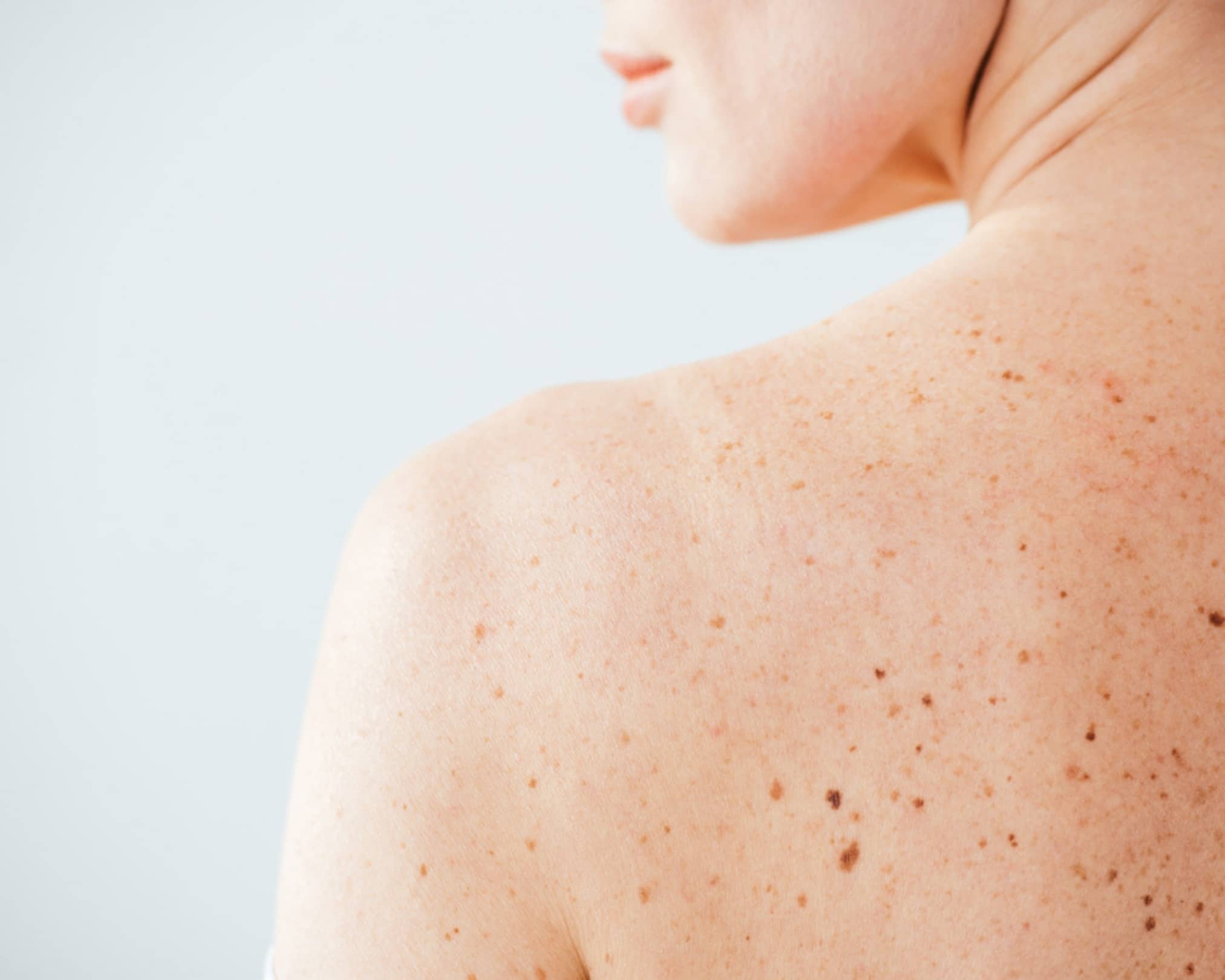
- Description: “Freckles are small, flat pigmented spots that appear on sun-exposed areas. They are benign but may become more visible under UV exposure.”
- Contributing factors: “Genetics (fair skin types), sun exposure, often appear in childhood or early adult life.”
- Appearance: “Cheeks, shoulders, arms, back – areas regularly in daylight.”
- How we address them: “At our clinic, we perform a full skin assessment, then may recommend treatments such as cryotherapy, exfoliation (dermaplaning), light-based therapies and more. While complete removal may not always be feasible, we aim for visible reduction and improved evenness, combined with sun-protection education.”

Post-inflammatory hyper-/hypo-pigmentation (PIH / PIP)
- After an inflammatory skin event such as acne, eczema, injury, surgical scar or burn, you may notice a darker (hyperpigmented) or lighter (hypopigmented) patch where the skin has naturally healed. These are called post-inflammatory pigmentation changes.
- Contributing factors: “Skin inflammation, trauma, acne lesions, scratching, sun exposure, higher interest in darker skin types for hyperpigmentation.”
- Appearance: Anywhere inflammation has been, but can primarily be found on the face, chest, back, arms, and legs.
- How we address them: Treatment is tailored to the individual: we combine skin-exfoliation such as chemical peels and advanced skin-rejuvenation pathways, including microneedling, phototherapy, as well as, in certain instances, cryotherapy, and home-care support (such as tailored skin care and sun protection). Multiple sessions may be required, and realistic expectations discussed. We always work gently to avoid triggering further pigment response.”
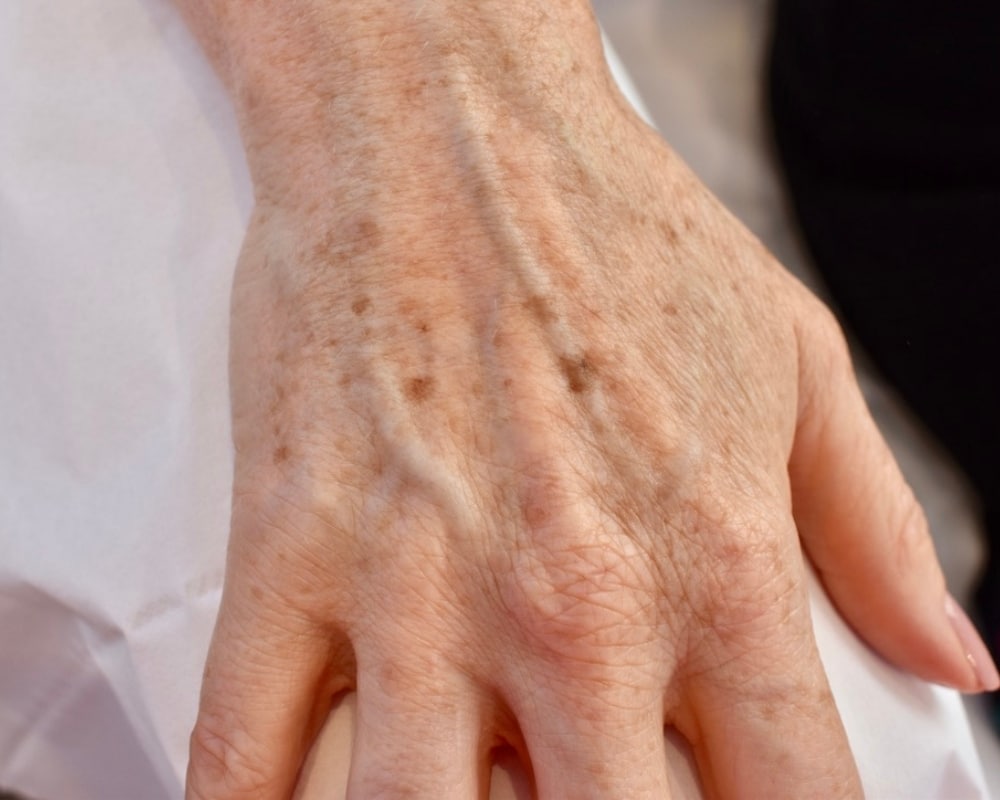
Age spots / sun spots / solar lentigines
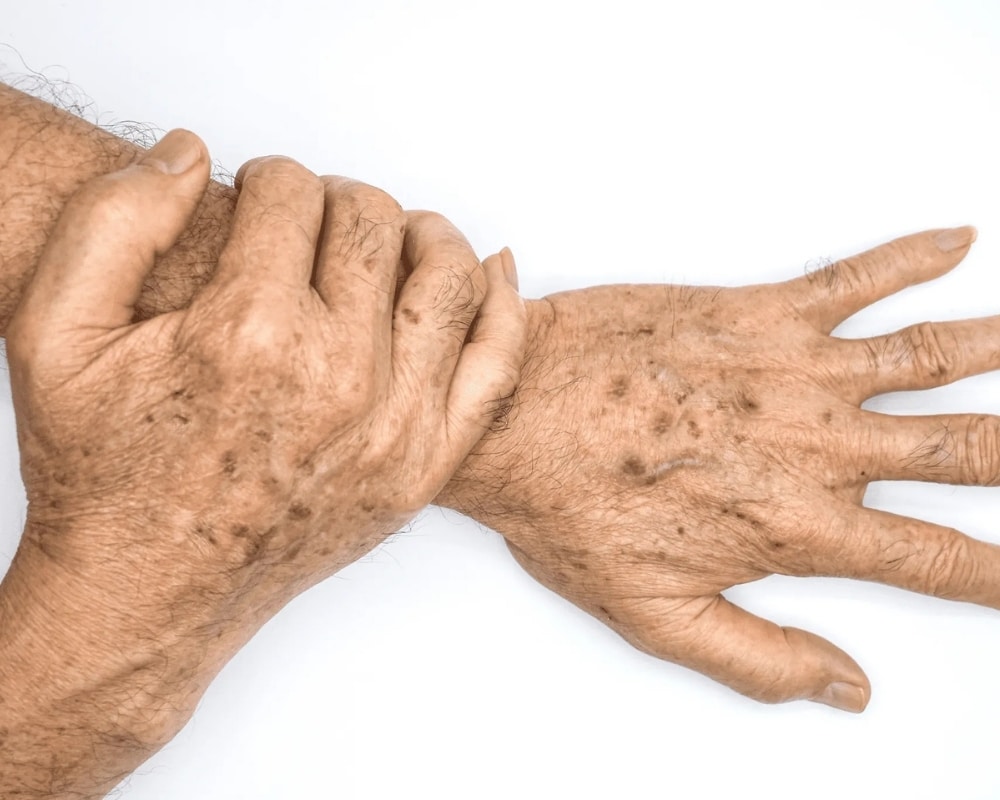
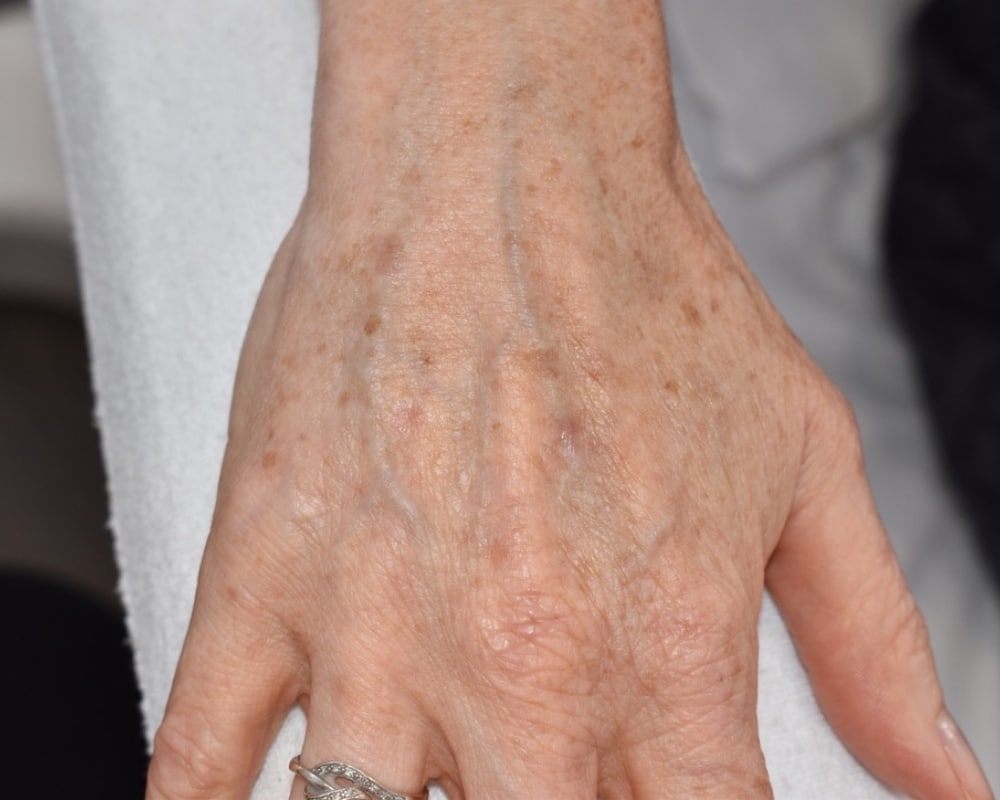
Often called ‘age’ or ‘sun’ spots, solar lentigines are flat, brown patches of pigmentation caused by cumulative sun exposure and ageing of the skin’s pigment system. They are benign, but for some people represent unwanted visible sun damage.
- Contributing factors: Accumulation of UV exposure, tanning, outdoor lifestyle, fairer skin, and ageing.
- Appears on: “Hands, forearms, chest, face, temples - generally sun-exposed areas.”
- How we address them: “Our clinic offers cryotherapy for isolated spots, and for broader sun-damage we offer advanced skin-rejuvenation pathways including microneedling, phototherapy, exfoliation and maintenance programmes. We emphasise prevention (broad-spectrum SPF, protective clothing) alongside active treatment.
What does the treatment journey look like?
- Stage 1: Consultation & skin-analysis – we evaluate your skin type, concern, and medical history, and discuss suitable treatment options.
- Stage 2: Treatment plan – we may recommend one or multiple treatment options alongside a timeline and expectations.
- Stage 3: After-care & maintenance - we will go through relevant aftercare, such as potential changes to the skincare routine and potential repeat treatment sessions.
Skin Blemishes Frequently Asked Questions
Will sunspots ever come back?
If sun-exposure continues without protection, new spots or pigment may appear; we advise daily broad-spectrum SPF, protective clothing and periodic review.
Is the treatment safe for darker skin types?
We tailor treatments carefully, and when dealing with higher-phototype skin, we proceed with caution to avoid further pigmentation changes.
How many sessions will I need?
This depends on the type, size and location of the blemish. Your consultant will advise on the likely number of sessions and timelines in your plan.
Can I treat both face and body?
Yes – our services cover the body as well as face/neck; we will map sun-exposed and treated areas together.