


Flat / Mature Scars
These are scars that pale and level with the surrounding skin. They represent a “normalised” healed outcome where the wound has resolved without excessive raised or depressed features.
How and when they appear:
- Typically, follow a clean wound with minimal complications, and once healing has progressed well.
- Over time (months to a year or more), the scar tissue remodels, the colour fades, and flattening occurs.
- Common anywhere on the body, often in low‐tension areas (i.e., not across a joint or an area of high movement or stretch)
Contributing factors
- Good wound care (clean, low infection risk, minimal tension)
- Low mechanical stress on the wound edges during healing
- The body’s natural collagen remodelling proceeds uninterrupted
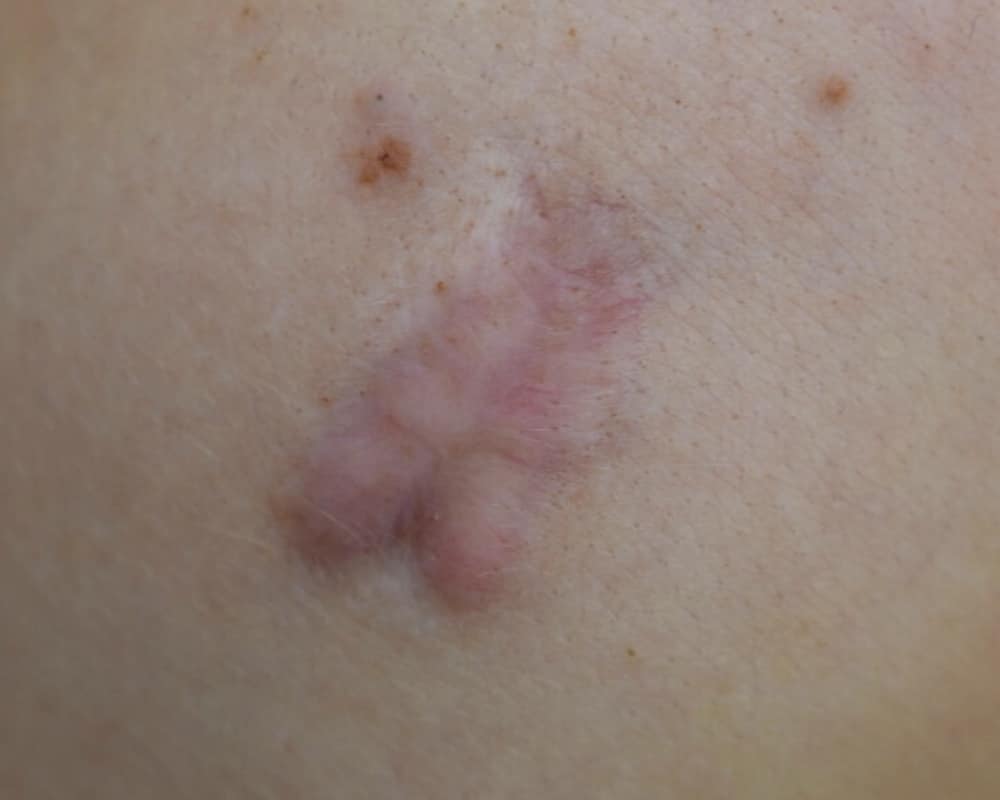
Hypertrophic Scars
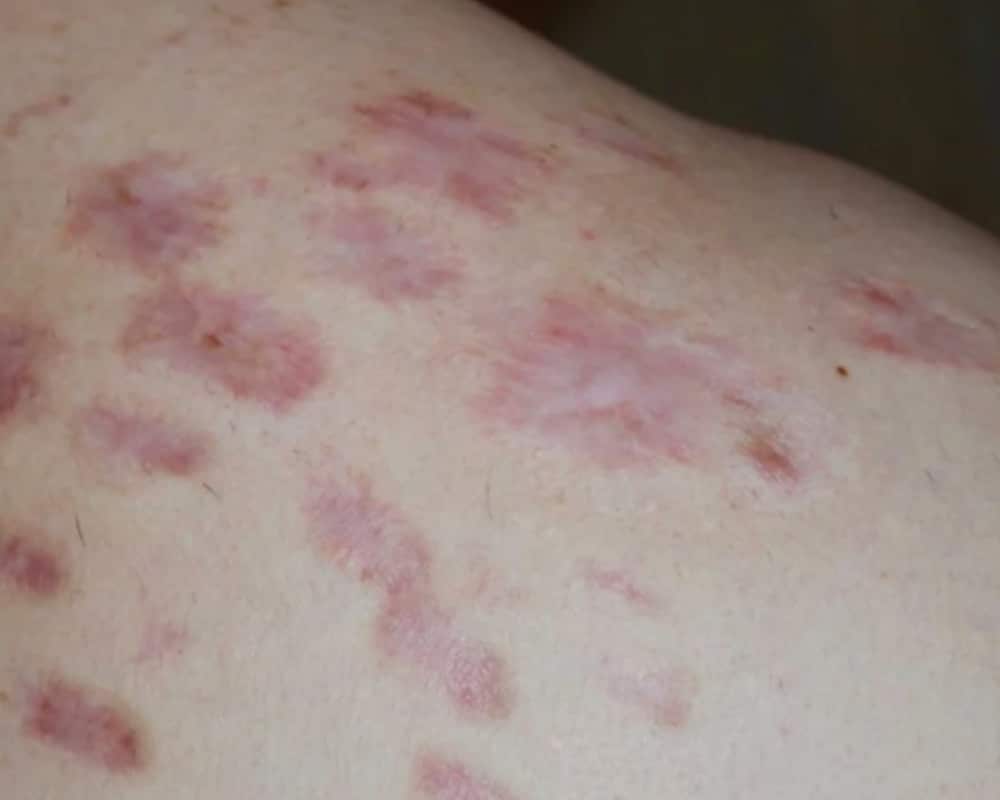
Raised, thickened scars in the location of the original wound. They may appear red or pink initially, firm to the touch, and may improve over time, but often remain elevated.
How and when they appear:
- Usually develop within weeks (often 4-8 weeks) after a wound that has healed, especially under mechanical stress or tension.
- Common in areas of high skin tension or movement (shoulders, upper back, chest) where scar tissue is “pulled”.
Contributing Factors:
- Wound healing under tension
- Delayed healing or infection
- Genetic predisposition (though less strong than for keloids)
- Possibly, darker skin types are more prone to abnormal scarring

Keloid Scars
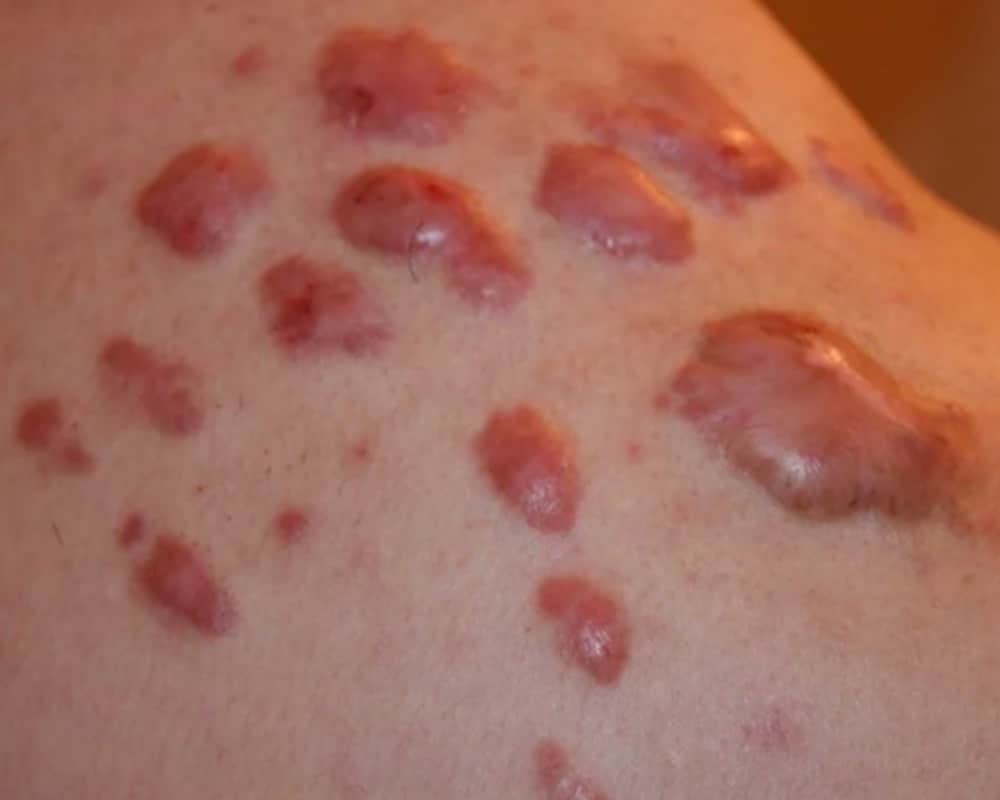
Firm, raised scars that grow beyond the original wound area. They often appear smooth and nodular, months (or even up to a year) after the original injury, and can continue to grow.
How and when they appear:
- They may appear after minor injuries (piercings, surgery, acne, insect bites), especially in susceptible individuals.
- Common in areas such as the chest, shoulders, earlobes, and upper back.
Contributing factors:
- Genetic predisposition (higher incidence in Fitzpatrick skin types III-VI)
- Wounds heal by secondary intention, delayed closure, or high tension
- Inflammatory stimuli (e.g., infection, acne)
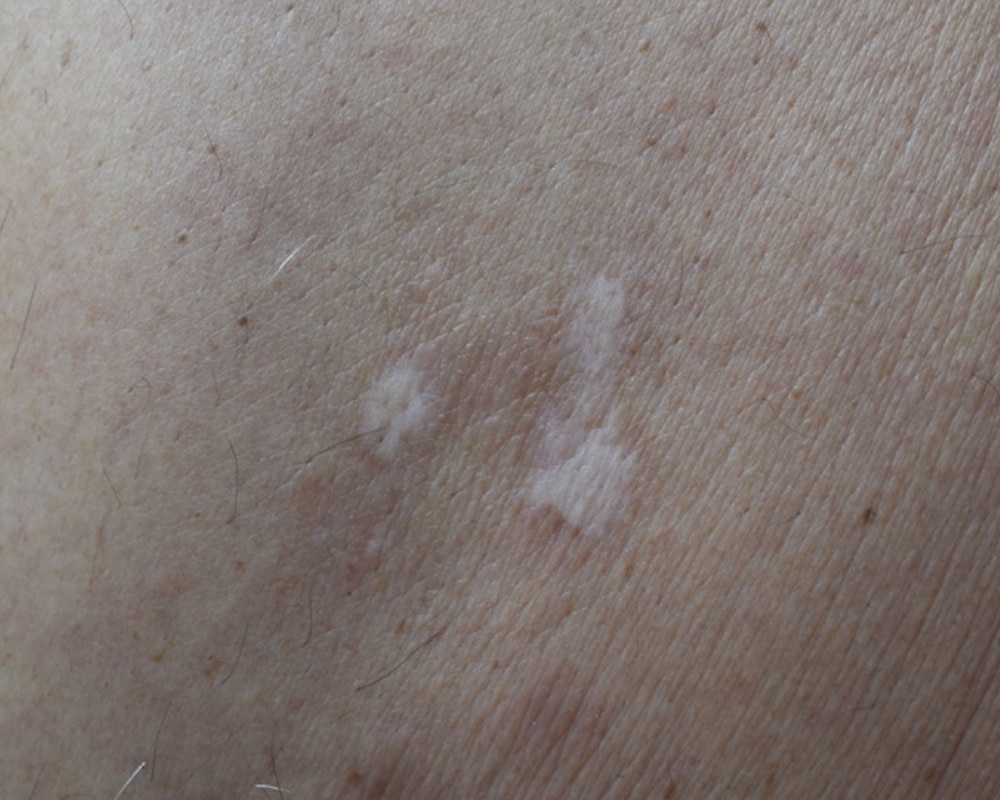
Atrophic / Acne Scars
Depressed (sunken or pitted) scars where tissue loss (dermal and/or subcutaneous) has occurred. Common after acne breakouts, chickenpox, or deep inflammatory injury.
They may be described further by subtype: ice-pick (narrow & deep), boxcar (wider with defined edges), rolling (undulating) in the context of acne scarring.
How and when they appear:
- Most commonly develop after severe, inflammatory acne has healed, leaving a deficit of tissue and collagen.
- They are most frequently seen on the face, but similar “indent” like scars can occur on the body following trauma or surgery where tissue loss occurred.
Contributing factors:
- Inflammatory destruction of dermal/elastic tissue and fat
- Delay in treatment of the underlying lesion (e.g., acne)
- Ageing and loss of collagen elasticity make the appearance more apparent over time
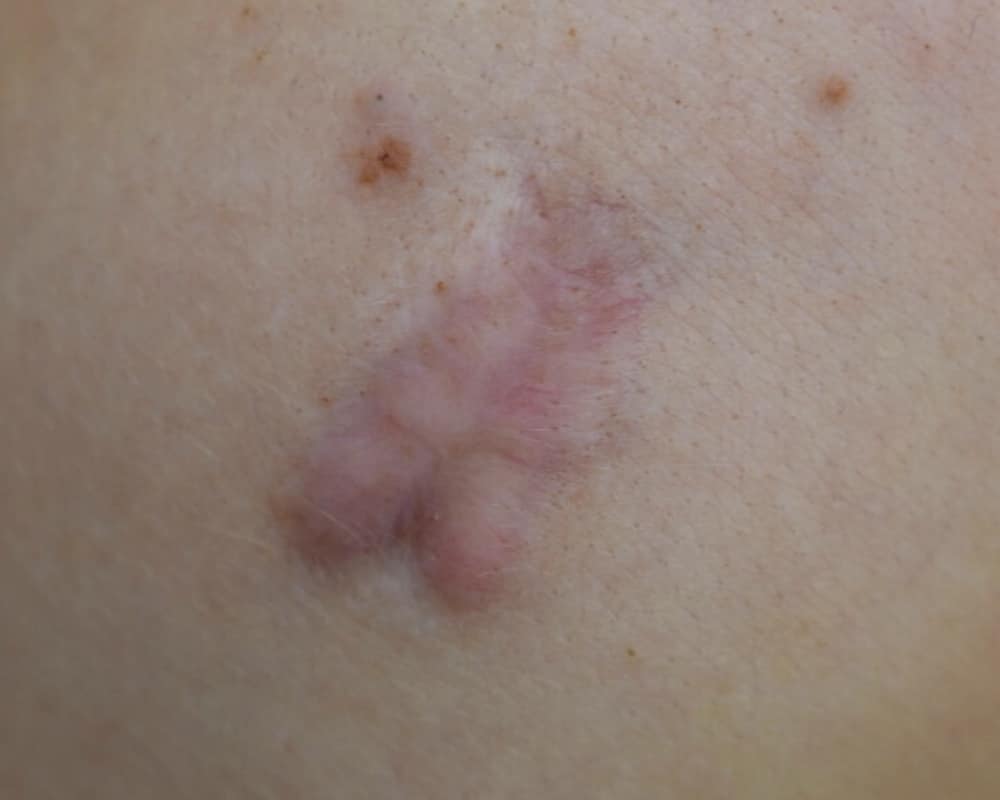
Contracture Scars
Scars are characterised by skin tightening or contraction that can restrict motion, typically occurring after deep burns or large surface-area injury. The scar tissue “pulls” on surrounding skin and underlying structures, sometimes limiting joint movement or function.
How and when they appear:
- Most often, after deep burns, grafts, or prolonged healing over joints or high-mobility areas
- The longer the wound takes to heal, and the more tissue loss there is, the greater the risk of contracture.
Contributing factors:
- Depth of injury (both dermal + subcutaneous layers of the skin affected)
- Wound healing under tension or where the surrounding skin can be pulled into scar formation
- Poor rehabilitation, such as a lack of stretching, during healing
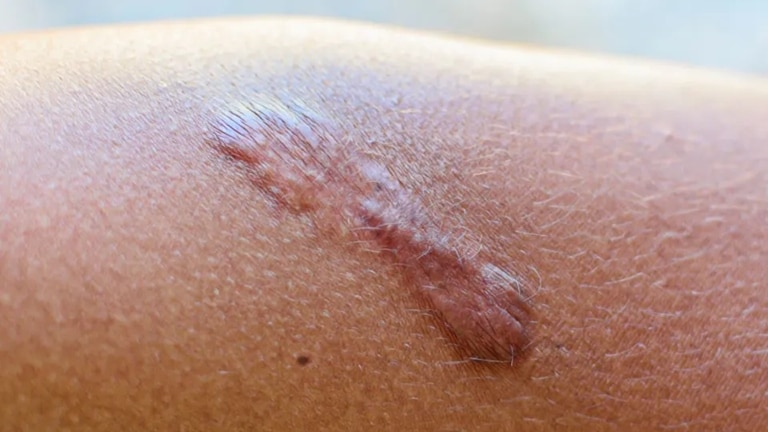
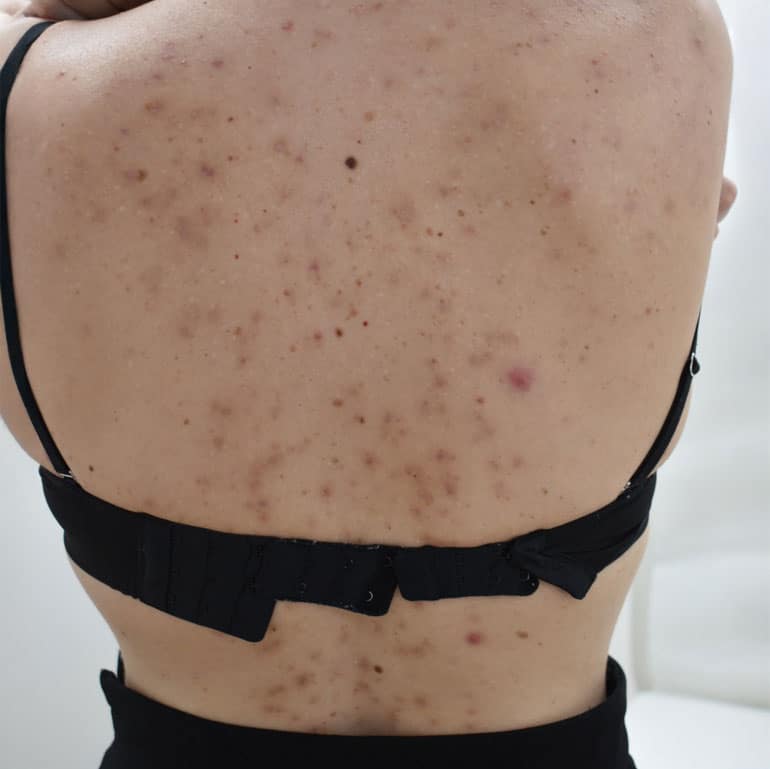
Pigmentation-Related Scarring (Post-inflammatory Hyper-/Hypo-pigmentation)
While strictly speaking, not always “scar tissue” in the sense of a raised or indented area, many clinicians consider skin discolouration following inflammation or wound healing as part of the broader “scarring” spectrum.
What it is:
- Post-inflammatory hyperpigmentation (PIH): Darker patches of skin after an injury or inflammation.
- Post-inflammatory hypopigmentation: Lighter patches of skin where pigment has been lost.
How and when it appears:
Often follows acne lesions, trauma, surgery, burns or skin infections where inflammatory or healing response has altered melanocyte function (the cells that contribute to pigmentation of the skin).
Contributing factors:
- Skin exposed to the sun without protection while healing/scarring
- Skin type (darker skin tones may show more prominent PIH)
- Depth and severity of injury/inflammation
Treatment / Management:
At Cambridge Contour Clinic, we assess your scarring and pigment changes and offer a tailored treatment plan, combining safe, evidence-based options with high-quality aftercare. Our treatments may include one or a number of the following:
- Microneedling and mesotherapy - to break down scar tissue, enhance penetration of pigment-modulating serums, accelerate skin renewal and improve skin tone.
- Cryotherapy - Using a fine jet of N₂O under high pressure to cause controlled trauma, encouraging the skin's healing response, predominantly used for pigmentation-related scarring
- Steroid (Corticosteroid) Injections -An injectable option for flattening and softening raised scars.
- Phototherapy - typically used alongside the treatments above to assist with the healing process, increasing cellular turnover and boosting collagen.
Other potential treatment options
Here at Cambridge Contour Clinic, we focus on minimally invasive techniques to optimise healing and cosmetic outcomes. However, we believe in transparency to help our clients make an informed choice on how they would like to proceed. Therefore, if we are aware of other recognised treatment methods that may be suitable for you, we will discuss these during your consultation.
How the treatment process works at Cambridge Contour Clinic
Your journey with us:
- Consultation & assessment – At our clinic, you will have a full skin assessment, including identifying the scar type(s), pigment factors, skin tone, background of inflammation/lesion and your expectations.
- Personalised plan – Often more than one approach is required (for example, microneedling + chemical peel + home care).
- Treatment phase – Where we begin the chosen treatments, spaced appropriately (e.g., several sessions across months).
- Maintenance & after-care – Once improvement is achieved, maintaining tone, texture and limiting new damage is key (sun protection, gentle skincare, avoiding picking).
Scarring Concerns Frequently Asked Questions
Can a scar go away completely?
Typically, all scars represent permanent changes to the skin. However, treatments can help reduce thickness, redness, uneven texture and pigmentation, making the scar less noticeable or more comfortable. Outcomes depend on scar type, age, depth and individual healing.
How long should I wait before treating a new scar?
Most scars begin to stabilise around 3–6 months, but treatment may start sooner depending on the method. Your specialist will advise during your consultation based on scar maturity and safety.
What is the difference between a hypertrophic scar and a keloid scar?
- Hypertrophic scars stay within the original wound boundary and may flatten over time.
- Keloid scars grow beyond the wound edge and can continue expanding. They require a more cautious, individualised treatment plan.
Will scar treatments work for all skin tones?
Many treatments, including microneedling and specific pigmentation treatments, can be used safely across diverse skin tones when delivered by trained specialists. Our consultations help minimise risks such as pigmentation changes.
Do scar treatments hurt, and is there downtime?
Most treatments cause mild discomfort and are well tolerated. Downtime varies:
- Microneedling: 24–48 hours of redness.
- Pigmentation treatments: minimal downtime.
- Your clinician will provide preparation and aftercare guidance.