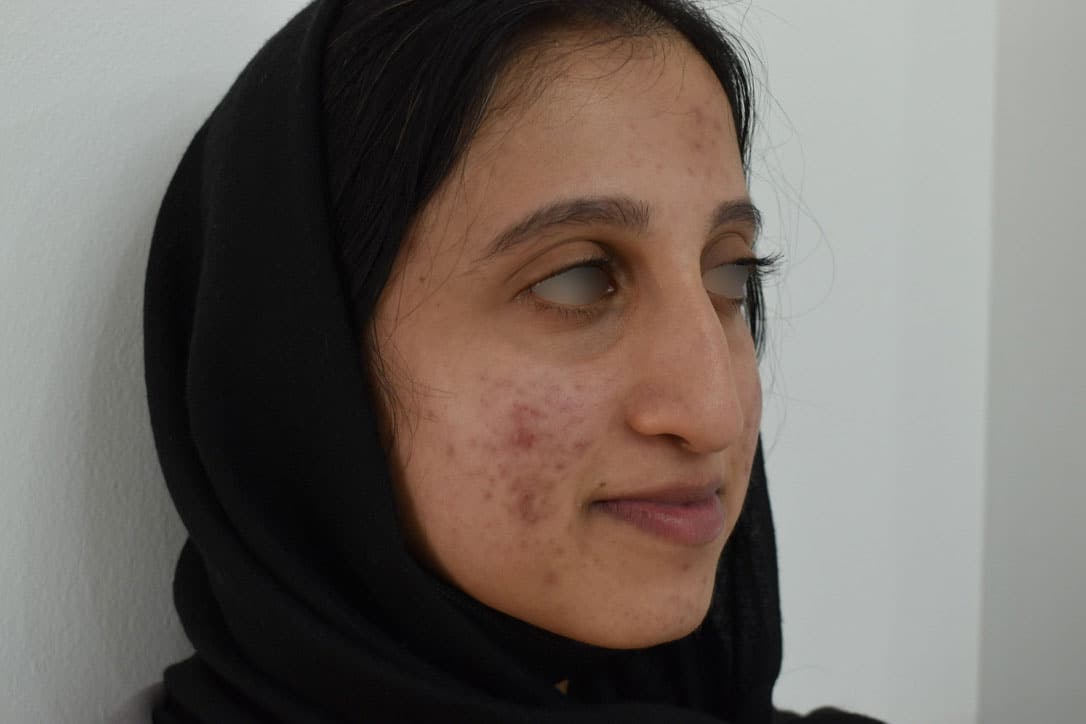


What is congested skin?
Congested skin often refers to a build-up of oil (sebum), dead skin cells, bacteria and debris within pores of the skin. When this becomes more visible, it can present as Acne vulgaris - a condition characterised by blackheads, whiteheads (comedones), red or pus-filled spots (papules/pustules) and in more severe cases nodules or cysts.
What to expect in your skin journey
1
In-Clinic Consultation
We examine your skin, discuss your concerns, identify triggers, and answer questions. You’ll receive an honest, evidence-based overview of what will help.
2
Personalised Treatment Plan
Your practitioner creates a tailored plan, selecting the most suitable treatments and skincare for your skin type, severity and goals.
3
First Treatment Session
Your treatment begins in a calm, comfortable environment. We pace sessions gently or progressively depending on your skin’s needs.
4
Review & Adjustment
Your progress is monitored and your plan adapted based on how your skin responds, ensuring you get consistent, steady improvements.
5
Maintain & Support
Once your skin settles, we guide you with long-term home care and optional maintenance sessions to keep results stable.
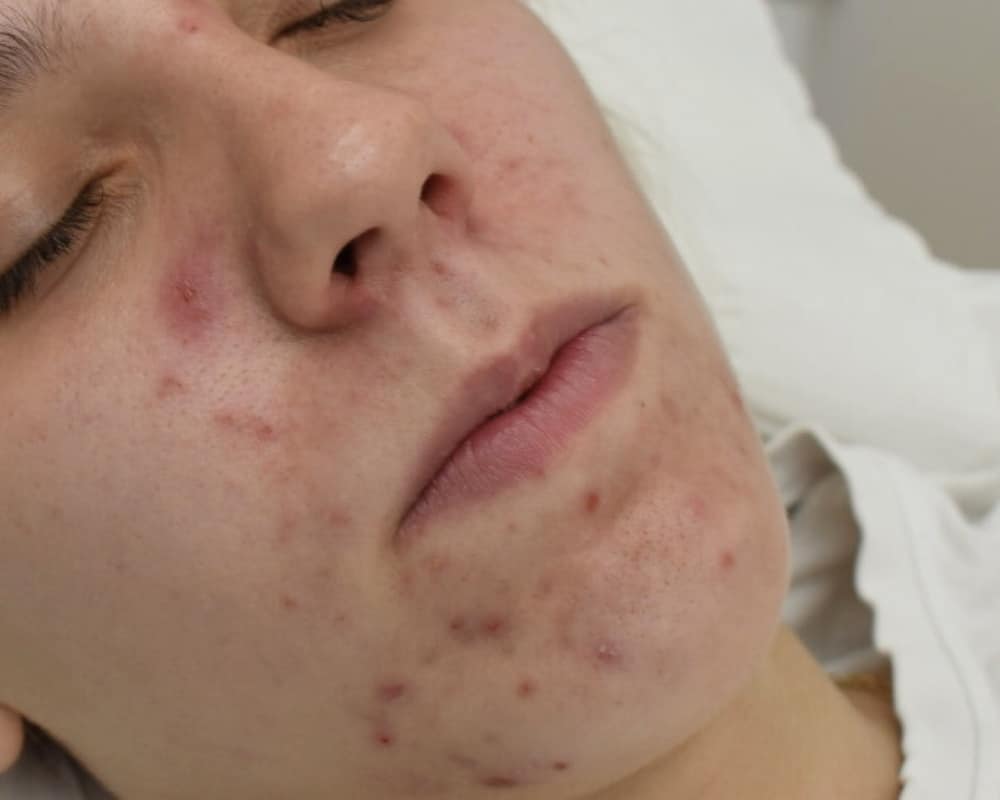
Contributing Factors
Here are some of the key triggers and influences:
- Increased oil (sebum) production – sebaceous glands are often more active (especially at puberty or with hormonal shifts).
- Thickened follicular lining and impaired exfoliation – dead skin cells are not shed effectively, contributing to blocked pores.
- Bacterial activity and inflammation – when pores become blocked and oily, the harmless bacteria on the skin (e.g. Cutibacterium acnes) can trigger inflammation.
- Hormonal changes - Puberty, menstrual cycles, pregnancy, hormonal imbalances (such as Polycystic Ovary Syndrome (PCOS) may play a role.
- Genetics – a family history increases risk.
- Skincare, cosmetics and lifestyle – using oil-based/pore-clogging products, heavy make-up, inadequate cleansing; also friction/pressure on skin (mask-wear, helmets) can contribute.
- Diet, stress and other factors – while diet is not the sole cause, high glycaemic load diets, stress and inadequate sleep are recognised as aggravating factors.
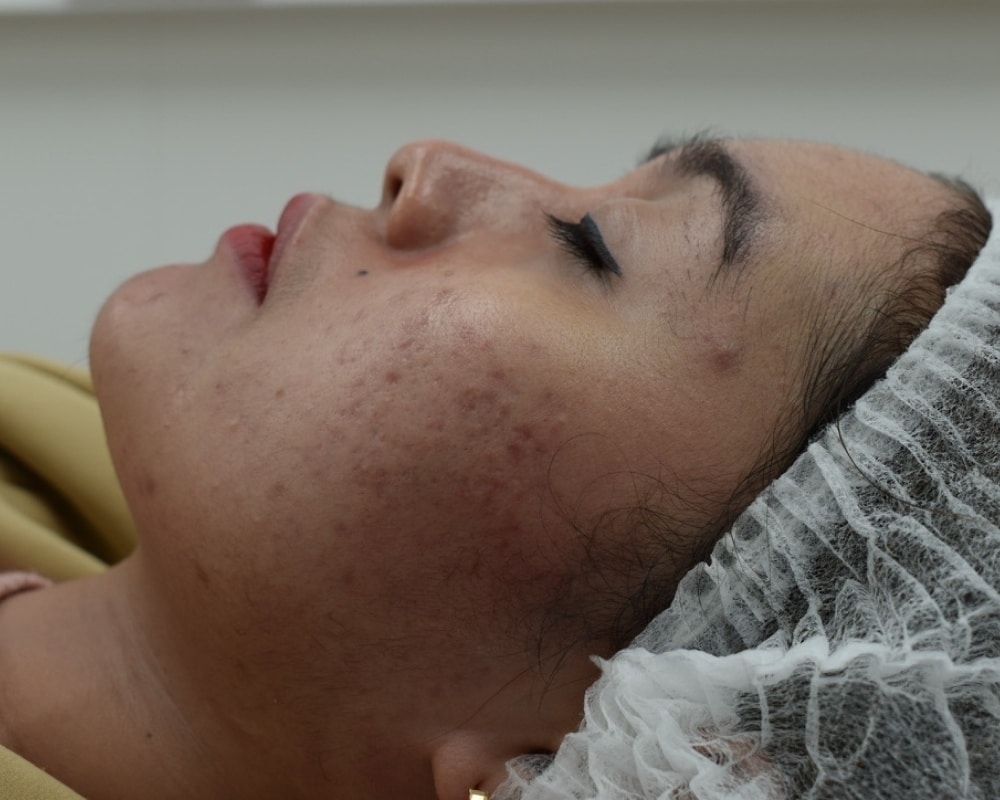
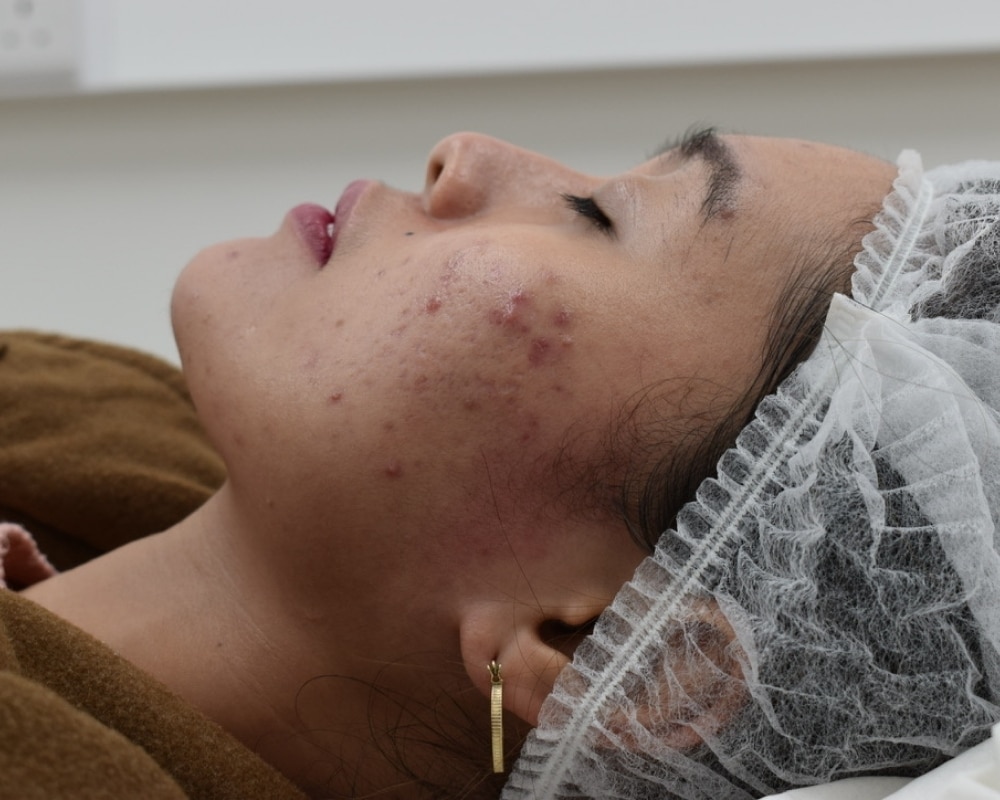
When and where congested skin appears
- Most commonly affects the face (especially forehead, cheeks, T-zone), but can also appear on the neck, chest and back.
- Often begins in adolescence, but adult-onset acne is increasingly common (20s, 30s, beyond), especially in women.
- Appearance may depend on the severity: initial signs might be blackheads/whiteheads, progressing to red spots, pustules, deeper lumps (nodules/cysts) if untreated.
- Without intervention, impacted pores may lead to post-inflammatory changes: discolouration (red spots/dark marks) or scarring (pitted or hypertrophic).
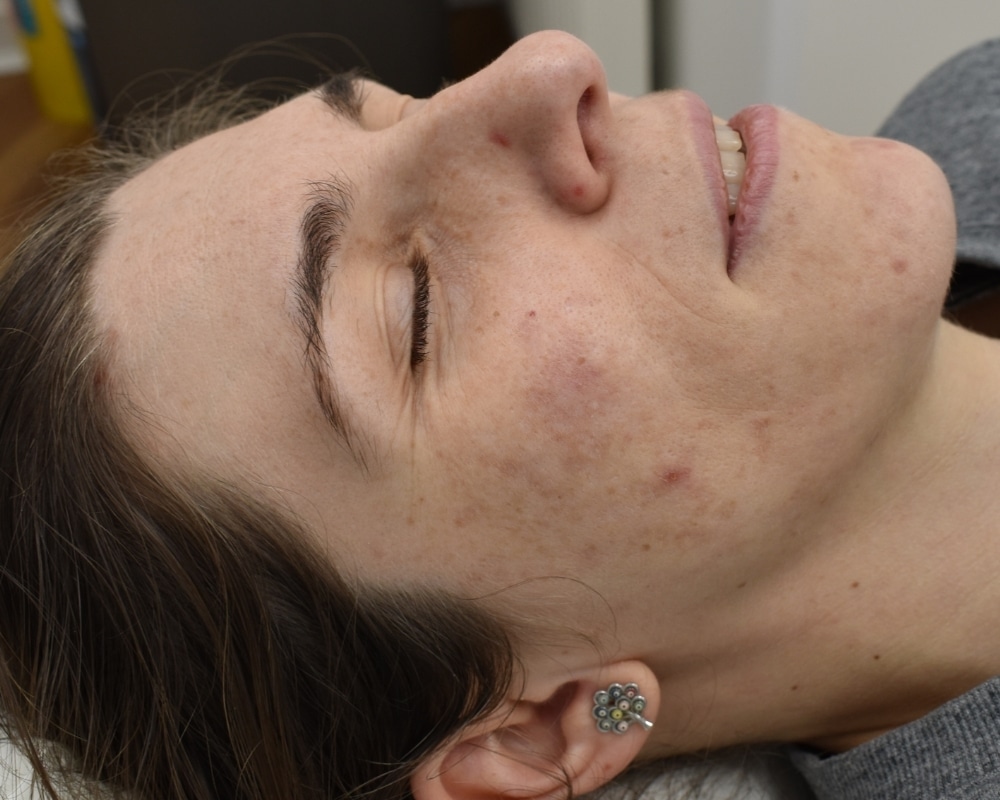
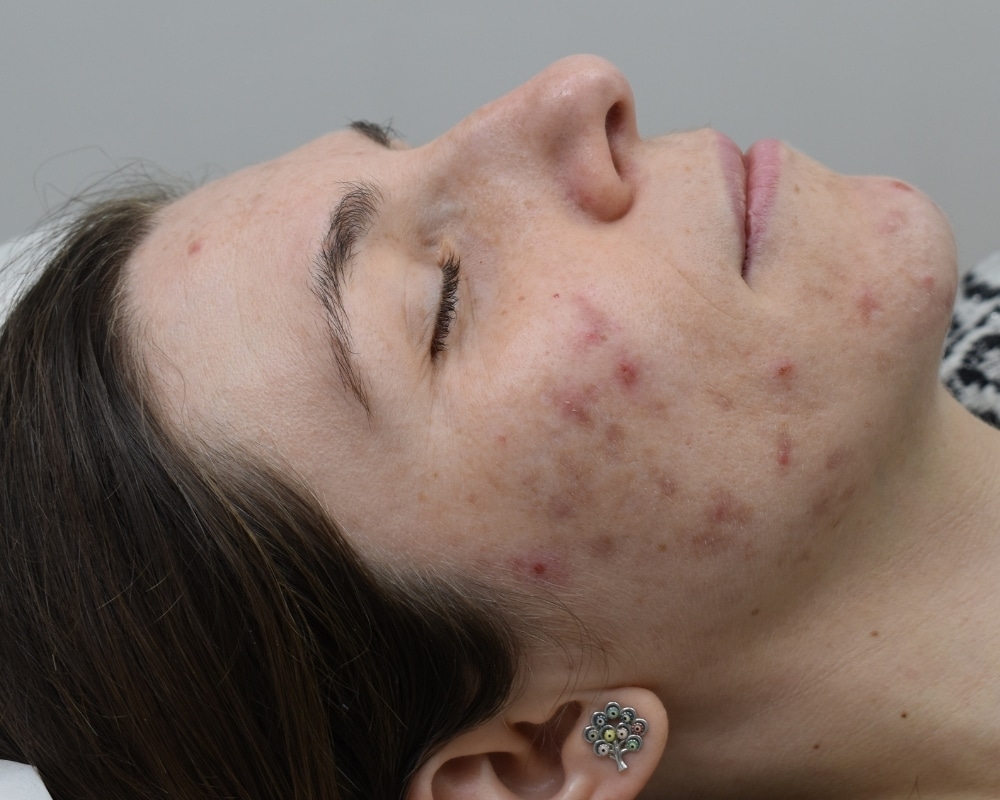
How we treat: Congested skin at Cambridge Contour Clinic
At our Cambridge practice, we tailor a multi-step plan for congested skin/acne, which may include the following treatments from our offering:
- Signature Facials – gentle cleansing, exfoliation and targeted serums to decongest pores. (see our “Facials” section)
- Dermaplaning – mechanically removing the topmost dead skin cell layer and vellus hair to help the skin absorb treatments more effectively.
- Microneedling – by encouraging collagen/elastin renewal, this helps improve texture, reduce scarring or marks from previous breakouts and enhance overall skin health.
- Steam extraction - steam softens hardened oil and debris, opening pores for easier, less traumatic removal of blackheads, whiteheads, and pimples, leading to clearer, smoother, and calmer skin
- Chemical peels - in certain cases, chemical peels can be used to unclog pores, reduce excess oil, and promote skin cell turnover
- Phototherapy (LLLT) – low-level light therapy to modulate inflammation, reduce bacterial load and calm the skin environment. (see our Phototherapy section)
- Supportive skincare advice – choosing non-comedogenic products, balancing oil production, lifestyle and diet guidance.
- Follow-up and maintenance – recognising that clearing congested skin is a process: regular reviews to prevent recurrence, manage triggers.
Congested Skin & Acne Frequently Asked Questions
Is congested skin the same as acne?
Not always. Congestion refers to clogged pores; acne may include inflammation, bacterial activity and deeper lesions. Many people experience both, and treatment plans are tailored accordingly.
Will treatments irritate my skin?
We assess your skin first and choose treatments suitable for your sensitivity level. All approaches can be adjusted to be gentle or progressive depending on what your skin needs.
How long does it take to see results?
Some people notice improvements after their first facial or LED session. More lasting changes - especially for redness, texture or scarring - are usually seen over several weeks as the skin regenerates.
Can adult acne be treated?
Yes. Adult-onset acne is common and very manageable with a combination of treatment and tailored home care.
Do I need to stop wearing makeup?
Not necessarily. Your practitioner can recommend products less likely to block pores and suitable cleansing routines to prevent build-up.
Will acne go away on its own?
It may fluctuate, but ongoing congestion or inflammatory acne often benefits from treatment - especially to minimise long-term marks or scarring.
Are your treatments safe for sensitive or darker skin tones?
We select treatments compatible with your skin type and adjust protocols to avoid irritation or post-inflammatory pigmentation.